
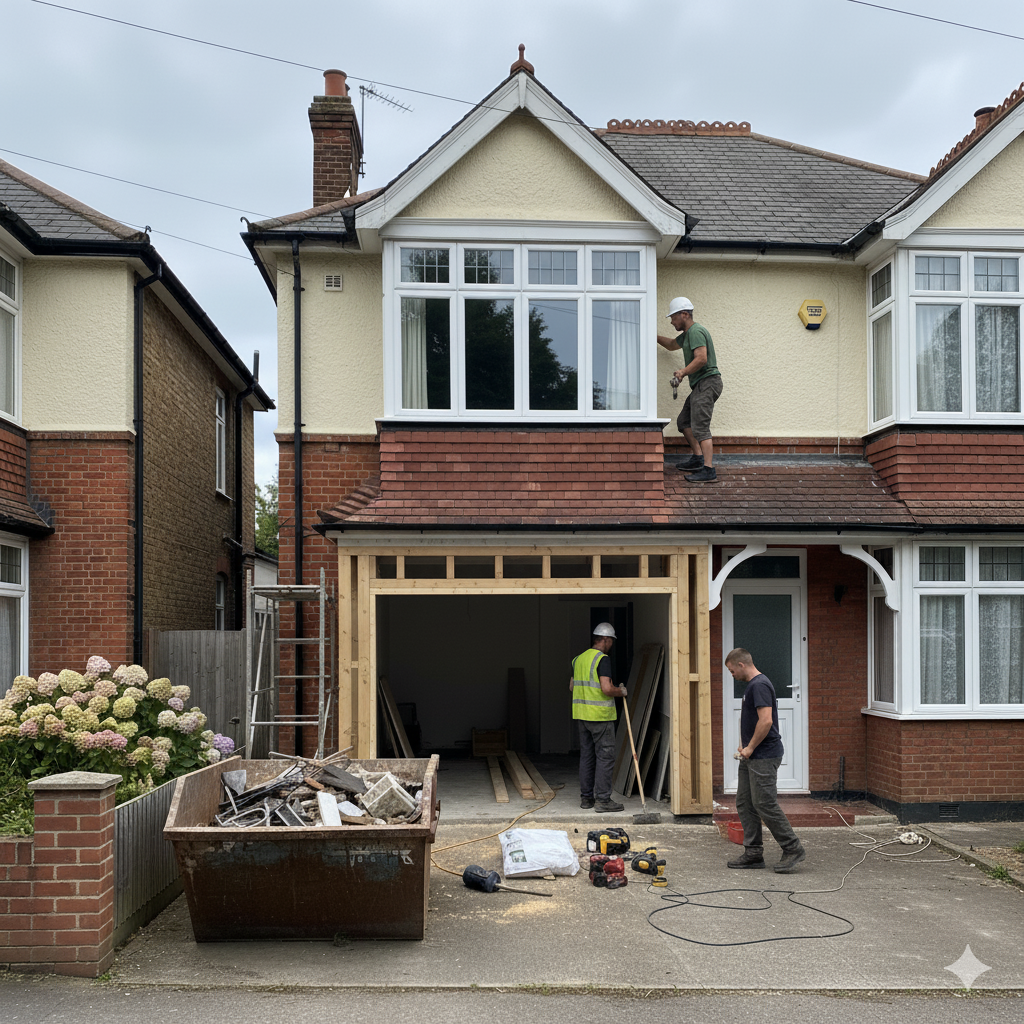





You’ve signed the contracts, the schedule is set, and the builder is due to arrive next week. Exciting? Absolutely. But before the first skip is delivered and the first hammer swings, the crucial stage of preparation must be tackled.
Neglecting to properly prepare your home for building work can lead to damaged possessions, unnecessary delays, and a more stressful experience overall. Follow this essential British homeowner’s guide to ensure your property and sanity are protected.
Phase 1: Protecting Your Possessions
Dust, rubble, and vibration are the enemies of a clean, undamaged home. You must be ruthless in clearing and securing your personal items.
1. The Purge and The Pack
-
Declutter Ruthlessly: Use the construction deadline as motivation to get rid of anything you don’t need. Less clutter means fewer items to protect.
-
Evacuate the Work Zone: Completely empty the room(s) where work is taking place. This includes furniture, rugs, curtains, artwork, and all decorative items.
-
Short-Term Storage: Use a dedicated storage solution. This might be a spare bedroom, the garage, or, for larger projects, a dedicated storage unit. Ensure the storage area itself is sealed and protected from dust.
-
Valuables and Heirlooms: Move all small, valuable, and irreplaceable items (jewellery, important documents, fragile heirlooms) to a secure, locked space, ideally off-site, until the project is complete.
2. Seal Against Dust Migration
Construction dust is fine, pervasive, and will get everywhere unless you actively block it. This is arguably the most critical step.
-
Temporary Walls: Use plastic sheeting (heavy-duty polythene) and tape to create sealed barriers between the work zone and the rest of the house.
-
Zipper Doors: Install adhesive zippers in the plastic sheeting where access is needed. This allows tradespeople to enter and exit without having to rip down the sheeting every time, maintaining the seal.
-
Seal Vents: Tape over internal air vents and extractor fan vents in adjacent rooms to prevent dust being sucked through the ventilation system.
-
Protect Fittings: Remove all pendant light fittings and lampshades from adjacent rooms and cover fixed light fittings with plastic bags and tape.
Phase 2: Securing the Structure and Site Access
This phase ensures the builders can work safely, efficiently, and without causing damage to your fixed assets.
3. Clear Access and Utilities
-
Clear the Path: Ensure a clear, unobstructed route from the exterior entrance (where skips and deliveries will arrive) to the main work area. Clear gardens, driveways, and hallways.
-
Cover Floors: Lay down temporary floor protection across all access routes. This must be heavy-duty—not just thin sheets. Use reinforced corrugated cardboard or thick protection board, secured with low-tack tape.
-
Services Isolation: Identify and clearly mark the isolation points for gas, electricity (fuse box), and water (stopcock). Inform your site manager of these locations. You may need a professional to cap or disconnect services in the work area before they start.
-
Remove Fixed Items: Take down mirrors, doorbells, house numbers, and any planting next to exterior walls where scaffolding or exterior work will take place.
4. Protecting Fixed Assets
-
External Taps/Hoses: Disconnect any hoses or outdoor features that may be damaged by falling debris or scaffolding.
-
Garden Protection: If the garden is being used for access or storage (skip placement), talk to your builder about laying down ground protection boards to prevent damage to your lawn or patio.
-
Remove Skirting Boards/Architraves: If you plan to replace these, remove them before the builders arrive. If you intend to keep them, wrap them securely in thick plastic sheeting.
Phase 3: Communication and Lifestyle Adjustments
A construction project changes your living routine. Prepare mentally and practically for the disruption.
5. Establish Ground Rules with the Builders
Meet with the site manager or lead builder before they start and agree on key points:
-
Working Hours: Confirm the exact start and finish times (including weekends).
-
Toilet Facilities: Where will the tradespeople use the toilet? If using your bathroom, ensure the route is protected and agree on a cleaning schedule.
-
Tea & Coffee: Decide on a designated area for the kettle and breaks. Providing these small amenities often fosters goodwill.
-
Security: Who is responsible for locking up at the end of the day? Where will keys be kept?
-
Safety: If you have children or pets, strictly cordon off the work area and ensure they understand they are not allowed onto the site, even when work is stopped.
6. Set Up a Temporary Living Zone
If you are living in the home during the renovation, designate a “safe zone” that is protected and functional.
-
Temporary Kitchen: If your kitchen is being renovated, set up a temporary station in a protected area with a microwave, toaster, kettle, and a basic washing-up station.
-
Wash Area: If a bathroom is affected, ensure the alternative facilities (or neighbour’s shower!) are viable for the duration.
-
Expect Noise: Invest in noise-cancelling headphones and adjust your schedule (especially if working from home) to accommodate the unavoidable noise and vibration.
By investing time in meticulous preparation, you significantly reduce the stress and financial risk associated with construction, allowing your builders to get straight to work and deliver the fantastic finished project you’ve been dreaming of.
