
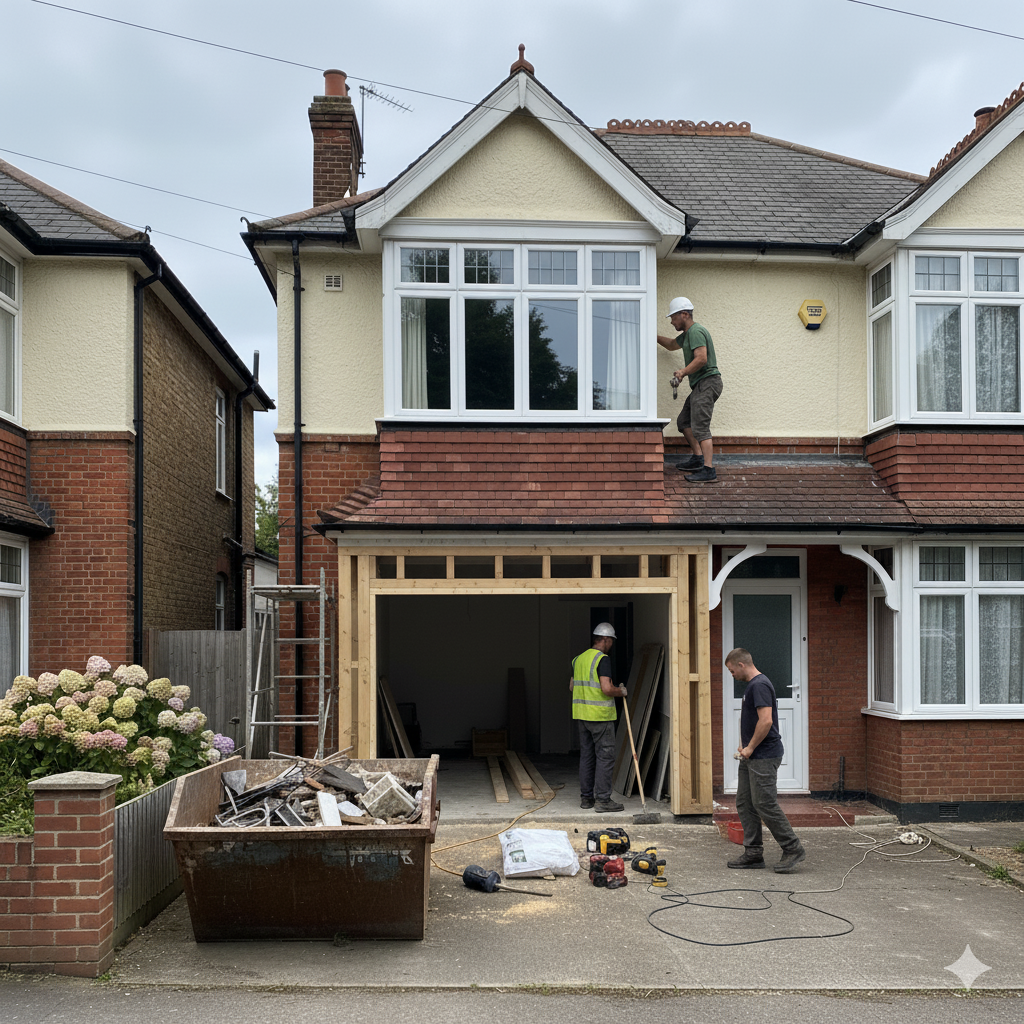




In the fast-evolving UK property market of 2026, a “modern” home is no longer defined just by its aesthetic. As we move towards the government’s Net Zero targets and become increasingly reliant on digital connectivity, the definition of a high-value home has shifted.
Future-proofing is the process of anticipating the technological, environmental, and lifestyle changes of the next decade. Whether you are planning a “back-to-brick” refurbishment or a kitchen extension, here is how to make your home future-proof with smart renovations.
1. The Digital Backbone: “Hardwiring” Your Connectivity
While Wi-Fi technology continues to improve, a truly future-proofed home does not rely on it alone. With the rise of 8K streaming, VR gaming, and permanent hybrid working, bandwidth demands are soaring.
-
Cat6a or Cat7 Cabling: During your renovation, run ethernet cables to every room, terminated at a central “patch panel.” This provides a stable, ultra-fast connection that Wi-Fi cannot match and eliminates “dead zones” in period properties with thick stone walls.
-
Smart Hub Cupboard: Dedicate a ventilated space (under the stairs or in a utility room) for your router, network switch, and smart home bridges. This keeps unsightly wires out of sight and makes future hardware upgrades simple.
2. Energy Independence: Solar and Storage
With the volatility of energy prices, the most future-proofed homes in the UK are those that generate their own power.
-
Solar PV & Battery Storage: By 2026, solar panels have become sleeker and more efficient. Pairing them with a home battery (like a Tesla Powerwall or GivEnergy system) allows you to store solar energy generated during the day to power your home through the evening peak, significantly reducing your reliance on the National Grid.
-
Voltage Optimisation: Consider installing a voltage optimiser to ensure the electricity entering your home is at the most efficient level for your appliances, extending their lifespan and reducing waste.
3. The Shift to “Low-Carbon” Heating
As the UK phases out gas boilers in new builds and encourages retrofitting in existing stock, your heating system is a critical part of future-proofing.
-
Heat Pump Ready: Even if you aren’t ready to install an air-source heat pump today, ensure your renovation is “heat pump ready.” This means installing oversized radiators or underfloor heating, which operate at lower water temperatures, making the eventual transition from a gas boiler seamless.
-
Smart TRVs: Install Smart Thermostatic Radiator Valves. These allow you to heat rooms individually via an app, ensuring you aren’t wasting energy heating an empty guest room or “snug.”
4. Electric Vehicle (EV) Infrastructure
By 2030, the landscape of UK transport will be almost entirely electric. A home without a dedicated charging point will soon be seen as “dated” by prospective buyers.
-
Smart EV Chargers: When renovating your driveway or garage, install a “Smart” EV charger that can integrate with your solar panels. This allows you to “sun-clash”—charging your car using only excess solar energy for zero-cost motoring.
-
Ducting for the Future: If you aren’t buying an EV yet, simply run a 32-amp cable or a hollow duct from your consumer unit to your parking space now. It costs pennies during a renovation but saves thousands in groundworks later.
Future-Proofing Priority Matrix
| Feature | Impact on Value | Ease of Install (during Reno) |
| Cat6 Ethernet Wiring | Medium | Very Easy (Walls open) |
| Underfloor Heating | High | Medium (Floor up) |
| Solar & Battery | Very High | Easy (Scaffold up) |
| EV Charging Point | High | Easy (Cabling run) |
5. Flexible “Lifetime” Layouts
A future-proof home must be able to adapt to the changing physical needs of its inhabitants. This is often referred to as “Inclusive Design.”
-
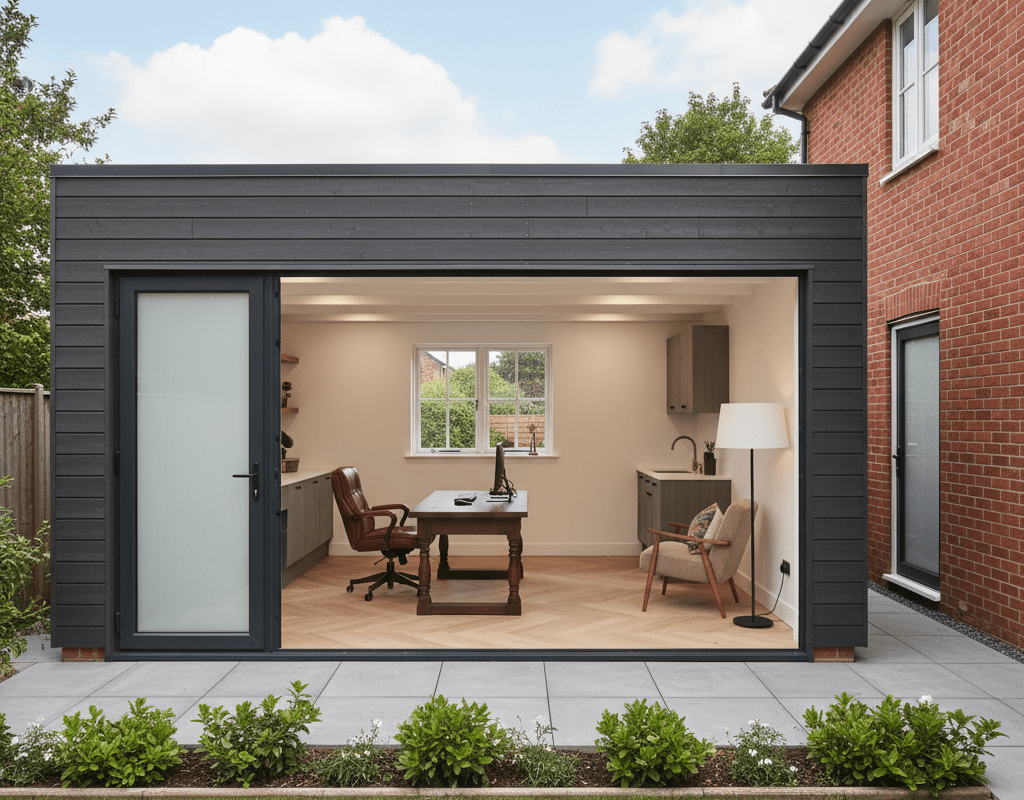
The Ground Floor “Flex” Room: Design a ground-floor room that can function as an office now, but has the proximity to a bathroom and the dimensions to become a bedroom in later life.
-
Structural Provision: If you are removing walls to create an open-plan space, ensure your structural engineer accounts for the potential to add partitions back in later, should “broken-plan” living become a priority again.
6. Sustainable Material Choices
In 2026, “luxury” is synonymous with “sustainability.” Future-proofing means choosing materials that are durable and have a low environmental impact.
-
VOC-Free Finishes: Use paints and adhesives that are free from Volatile Organic Compounds to ensure long-term indoor air quality.
-
Reclaimed and Circular Materials: Incorporating reclaimed timber or recycled stone worktops isn’t just a style choice; it’s a commitment to a circular economy that modern buyers value highly.
Final Thoughts
Learning how to make your home future-proof with smart renovations is about more than just buying the latest gadgets. It is about building a robust infrastructure—through wiring, insulation, and flexible design—that allows your home to evolve as technology and the climate change.
