
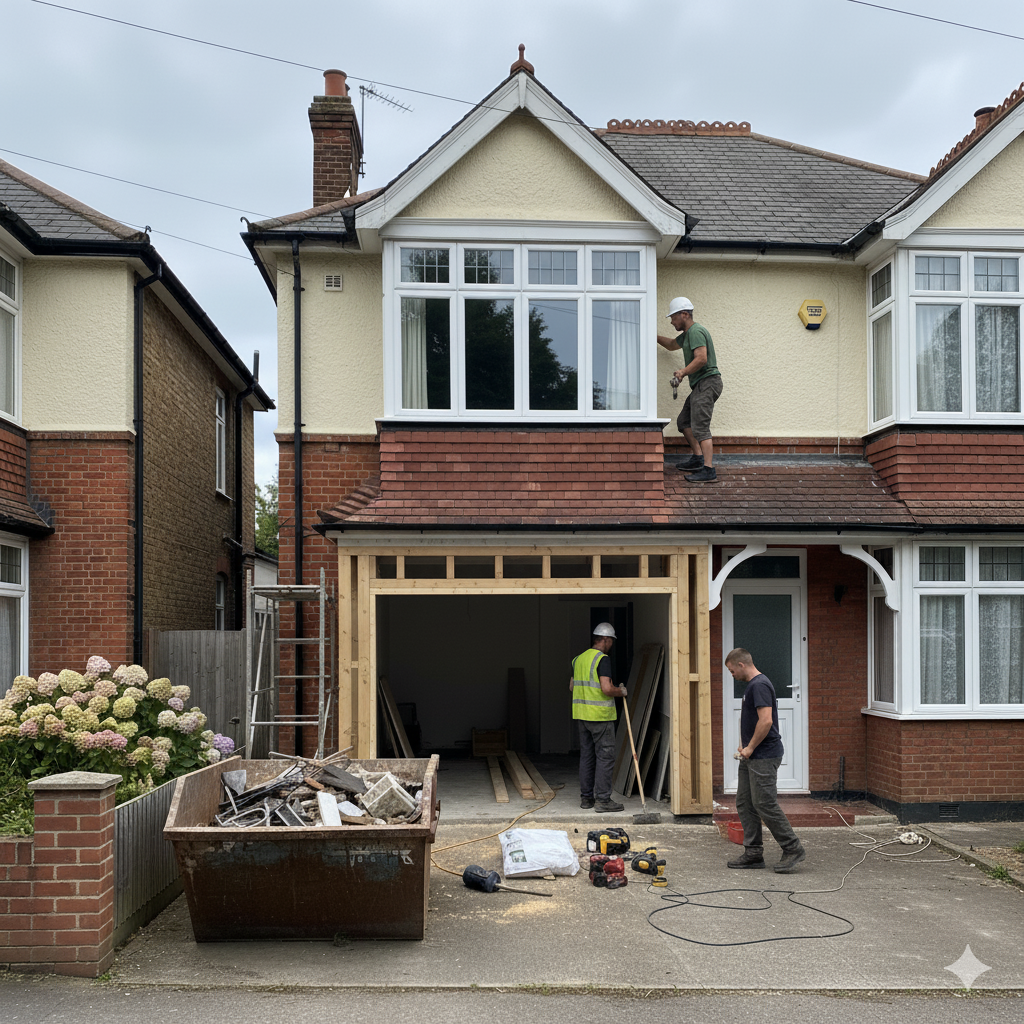

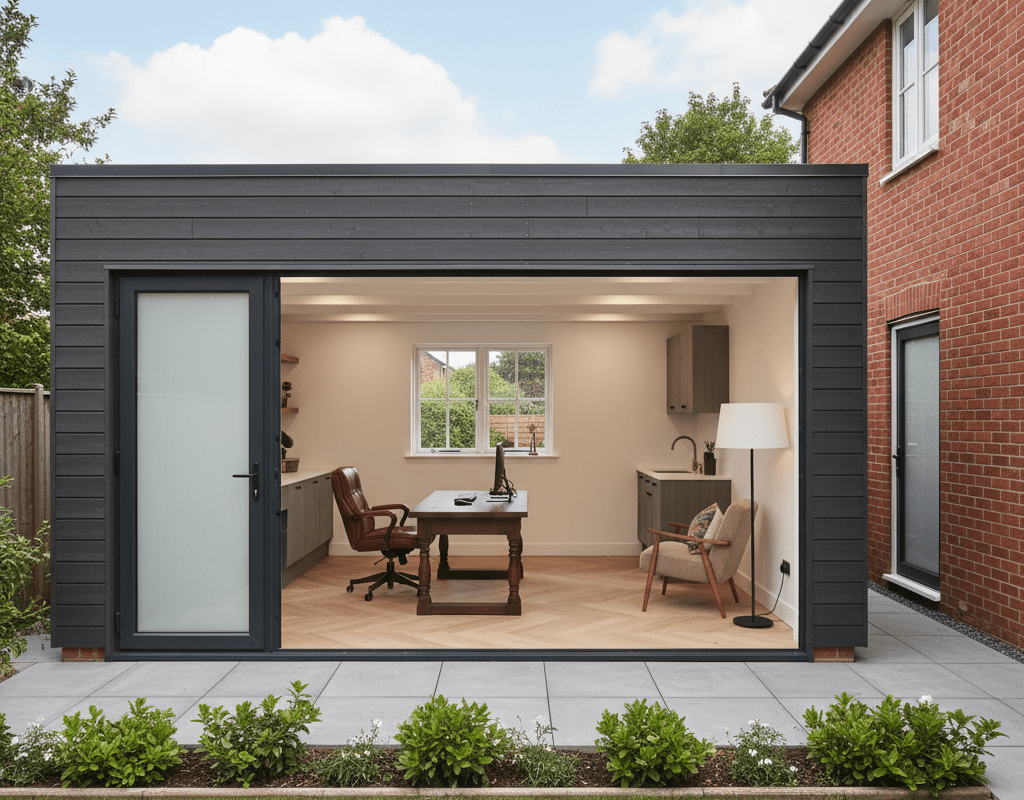



The first six to twelve months following a renovation are the “bedding-in” period. In the UK, this is when the building adjusts to its new structure, heating loads, and occupants. Success lies in proactive monitoring rather than reactive repair.
1. Navigating the “Snagging” Period
In UK construction, the “defects liability period” usually lasts 6 to 12 months. This is your window to identify issues that only appear once the house is back in use.
-
Document Everything: Under 2026 regulations, it is wise to keep a digital “Snagging Log.” Use your phone to photograph hairline cracks, loose hinges, or dripping valves.
-
Thermal Movement: Don’t panic if you see small cracks where new walls meet old ones. This is “settlement” caused by the building drying out. Wait until the end of the first year (after a full cycle of seasons) before filling and redecorating to ensure the movement has finished.
2. Maintaining High-Performance 2026 Systems
Modern UK renovations often include technology that requires a different maintenance mindset than traditional gas-boiler setups.
-
Heat Pumps & Low-Temp Heating: If you’ve installed an Air Source Heat Pump, you must check the external unit for leaf debris and ensure the “antifreeze” levels are checked annually by an MCS-accredited engineer.
-
MVHR Systems: If your renovation included Mechanical Ventilation with Heat Recovery, the filters must be cleaned or replaced every 6–12 months. If you forget, your air quality will drop, and your energy efficiency will suffer.
-
Solar PV & Batteries: Check your app weekly to ensure your panels are performing. In the UK, bird droppings or “moss-creep” can reduce efficiency by $15\%$. A professional panel clean every two years is now a standard 2026 recommendation.
3. The “Post-Build” Deep Clean Strategy
Construction dust is tenacious; it can linger in your home’s “lungs” (the vents and cupboards) for months.
-
HEPA Vacuuming: Standard vacuums can’t handle fine plaster dust. Rent or buy a vacuum with a HEPA filter to ensure you aren’t just blowing microscopic silica dust back into your new rooms.
-
Ventilation Flush: Open all windows for at least 30 minutes a day during the first month. This helps “off-gas” any Volatile Organic Compounds (VOCs) from new paints, sealants, and carpets.
The Post-Renovation Maintenance Calendar
| Frequency | Task | Why It Matters |
| Monthly | Check Boiler/Heat Pump pressure. | Ensures heating efficiency. |
| Every 6 Months | Clean MVHR/Extractor filters. | Prevents damp and mould. |
| Annually | Service heating and solar systems. | Validates your manufacturer warranty. |
| Year 1 Finish | Address settlement cracks. | Restores aesthetic integrity. |
4. Managing the “Golden Thread” of Paperwork
In 2026, the value of your home is tied to its documentation. The Building Safety Regulator (BSR) encourages homeowners to maintain a digital record of their build.
-
Warranty Register: Centralise your warranties for appliances, windows, and structural work. Most 2026 glazing comes with a 10-year guarantee—ensure you have the FENSA or CERTASS certificate filed safely.
-
Manuals & Apps: Ensure all smart home “admin” rights have been transferred from the contractor to you. Update the firmware on your smart thermostats and security cameras quarterly.
5. Protecting New Finishes
You’ve spent thousands on premium materials; don’t ruin them with the wrong cleaning products.
-
Sintered Stone & Quartz: Avoid abrasive cleaners. A simple pH-neutral soap is all you need to maintain the “2026 sparkle.”
-
Engineered Wood: The UK’s humid winters can cause wood to swell. Maintain a consistent internal humidity (between $40-60\%$) to prevent your new floors from crowning or gapping.
-
External Render: If you have new K-Rend or silicone render, avoid “pressure washing” it, which can damage the surface. Use a soft-wash biocide every two years to prevent green algae.
Final Thoughts
Knowing how to maintain your home after major renovation work is about transitioning from “Project Manager” to “Home Steward.” In the 2026 UK landscape, a well-maintained home is a high-performing asset that is cheaper to run and easier to sell. By staying on top of your filters, snagging logs, and digital documentation, you ensure your renovation looks and performs as well in ten years as it does on day one.
