
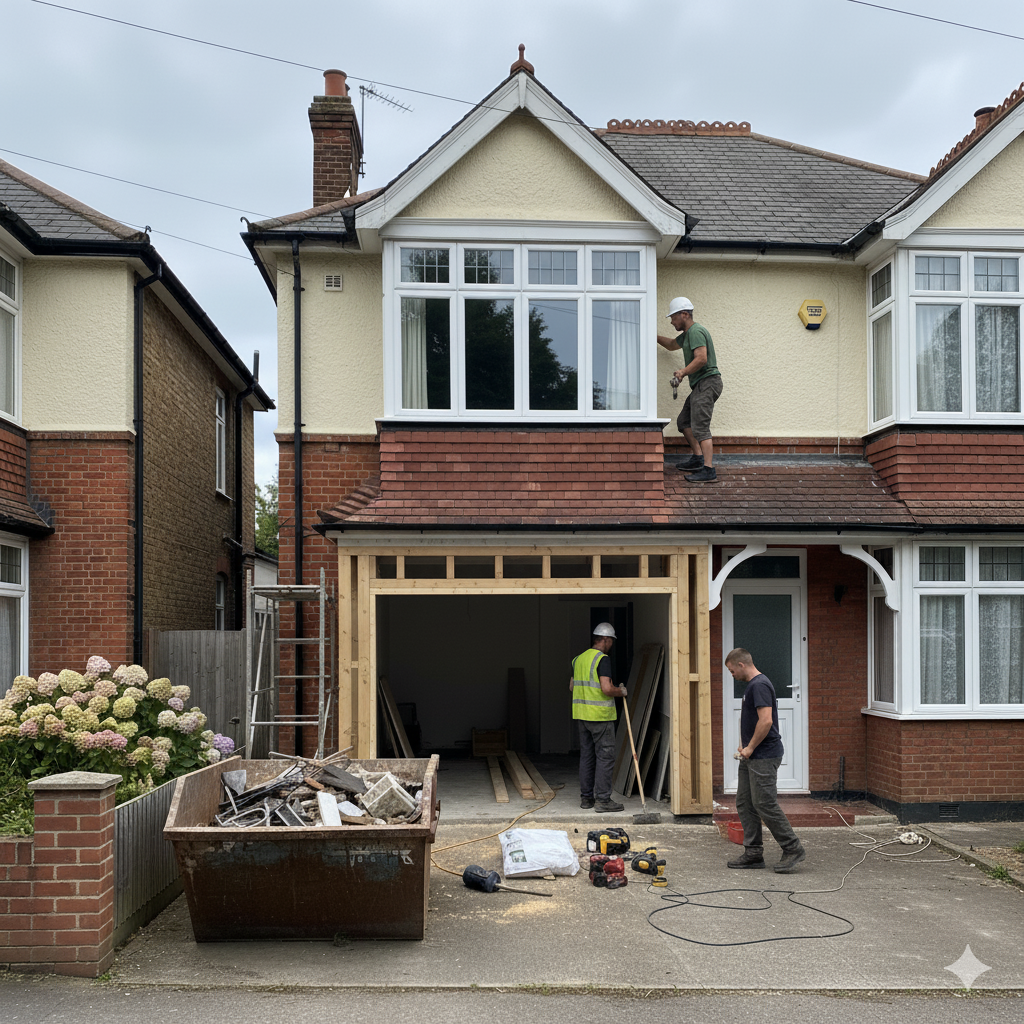





In the UK’s 2026 property market, demand for high-quality home improvements is at an all-time high. However, with material costs stabilising and a push for energy-efficient retrofitting, finding a contractor who is both skilled and available is a challenge. The difference between a “dream build” and a “renovation disaster” often comes down to the vetting process.
Knowing how to find reliable builders in the UK is about more than just checking a star rating; it’s about verifying credentials, understanding contracts, and spotting “cowboy” red flags before they set foot on your property.
1. Start with Professional Trade Bodies
Word of mouth is helpful, but professional accreditation is the only way to ensure a builder is held to industry standards. In 2026, the leading bodies provide not just vetting but dispute resolution services.
-
Federation of Master Builders (FMB): The UK’s largest trade association. To be a “Master Builder,” firms must undergo a strict independent inspection of their work and financial records.
-
TrustMark: This is a Government-endorsed scheme. A TrustMark-registered builder has been vetted to meet high standards of technical competence, customer service, and trading practices.
-
National Federation of Builders (NFB): Usually represents larger firms, ideal for major structural renovations or new builds.
2. Leverage Vetted Online Directories
While Google searches can be overwhelming, specific UK trade directories act as a first line of defence.
-
Checkatrade: Their 12-point vetting process is a benchmark in the industry. Look for builders with a high volume of recent, verified reviews.
-
MyBuilder: This platform allows you to post a job and have builders “bid” for your interest. It is particularly effective for medium-sized projects like kitchen extensions.
-
Which? Trusted Traders: An endorsement from Which? is hard to earn. Their assessors interview builders and check their credit reports, making it one of the most reliable stamps of approval.
3. The “Three-Quote” Rule and Fixed Pricing
One of the most common mistakes in how to find reliable builders in the UK is choosing the first person who is available.
-
Compare Like-for-Like: Get at least three written quotes. In 2026, a “good” quote is itemised, showing separate costs for labour, materials, and VAT.
-
Avoid the “Estimate”: An estimate is a guess; a quote is a fixed price. Reputable builders will provide a fixed-price contract for a defined “Scope of Works” to prevent “hidden extras” from creeping in mid-project.
Builder Vetting Checklist (2026 Edition)
| Requirement | What to Look For | Why it Matters |
| Public Liability Insurance | Minimum £2 million cover | Protects your home from accidental damage. |
| Employer’s Liability | Current Certificate | Ensures their workers are covered on your site. |
| Reference Sites | Visit at least two recent jobs | Seeing a “live” site shows you how they manage a build. |
| Payment Schedule | No large upfront deposits | Protects your cash flow and ensures progress milestones. |
4. Conduct a Site Visit and Interview
Never hire a builder over the phone. A reliable contractor will want to see the site and discuss the logistics.
-
Ask about Subcontractors: Does the builder have their own team, or do they use subcontractors? If they use others, ensure they are also insured and qualified (e.g., Gas Safe for plumbers and NICEIC for electricians).
-
The “Gut Feeling” Test: You will be working with this person for weeks or months. If they are dismissive of your questions or push for a “cash deal” to avoid VAT, walk away.
5. Formalise the Relationship with a Contract
Reliable builders won’t be afraid of paperwork. Using a standard contract—such as those provided by the JCT (Joint Contracts Tribunal) or the FMB—is essential for major home renovations.
-
Agree on Milestones: Payments should be tied to completed stages (e.g., “groundworks finished,” “watertight,” “first-fix complete”).
-
The Retention Fee: Keep back 5–10% of the final payment for a “snagging period” (usually 3–6 months). This ensures the builder returns to fix any minor settlement cracks or leaks that appear after they’ve finished.
