


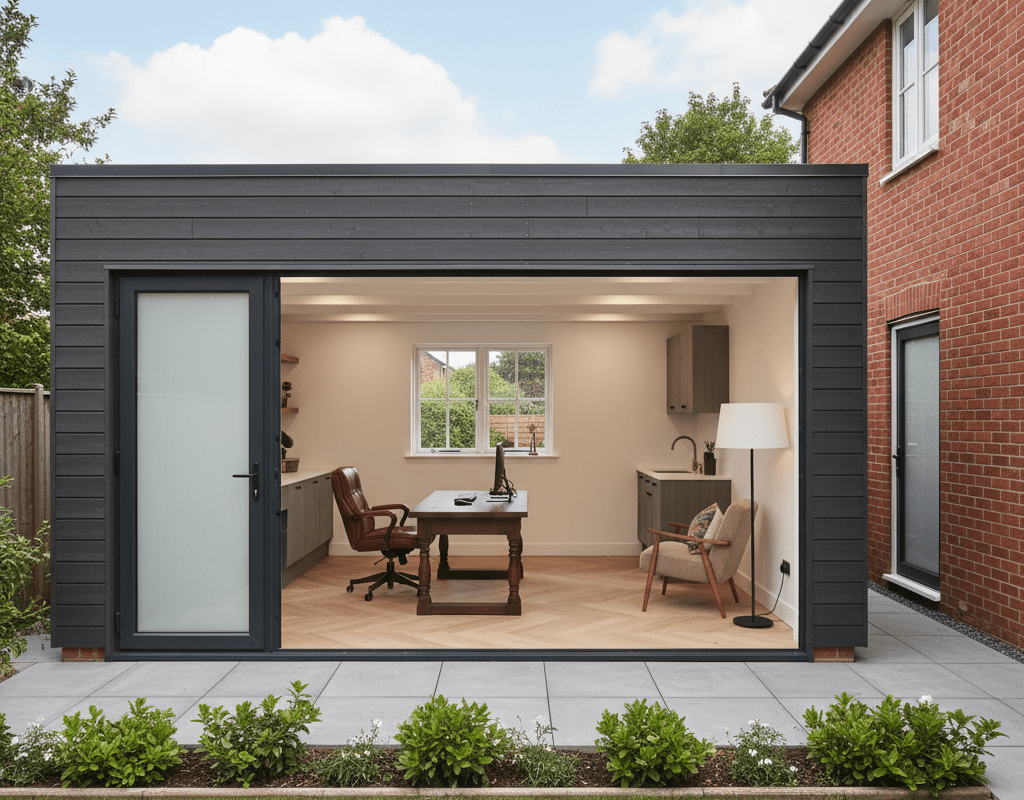



In the modern British home, space is often the ultimate luxury. With the rise of remote working and the trend towards open-plan living, our rooms are working harder than ever. A spare bedroom is no longer just for guests; it’s a home office, a hobby room, and occasionally a gym.
Learning how to create multi-functional living spaces is about more than just “fitting everything in”—it’s about clever zoning, versatile furniture, and maintaining a sense of flow. Here is how to transform your home into a flexible, high-performing sanctuary.
1. Master the Art of Zoning
When one room serves multiple purposes, you need to define the boundaries. Without zoning, a room can quickly feel cluttered and chaotic.
-
Rug Placement: Use different area rugs to “ground” specific zones. A large wool rug under the dining table and a plush pile rug in the seating area visually separate the eating and lounging spaces.
-
Lighting Schemes: Avoid a single “big light.” Use task lighting (like a desk lamp) for work areas and warm, ambient floor lamps for relaxation zones.
-
Room Dividers: You don’t need to build walls. Crittall-style glass screens, open bookshelves, or even a well-placed tall plant can create a physical divide without blocking natural light.
2. Invest in “Hardworking” Furniture
If a piece of furniture only does one thing, it’s taking up too much real estate. In a multi-functional home, every item should earn its keep.
-
The Ottoman Coffee Table: Swap a traditional wooden coffee table for a large upholstered ottoman. It serves as a table, extra seating for guests, and often includes hidden storage.
-
Wall-Mounted Desks: For those working from home in a small flat, a “cloffice” (closet-office) or a fold-down wall desk allows you to “shut the office door” at the end of the day.
-
Sofa Beds: Forget the uncomfortable springs of the past; modern British brands offer sleek, high-comfort sofa beds that look indistinguishable from a standard three-seater.
3. Utilise Vertical Space
When floor space is limited, look up. British Victorian terraces and modern apartments alike benefit from taking storage to the ceiling.
-
Floor-to-Ceiling Shelving: This draws the eye upwards, making the ceiling feel higher while providing a home for books, tech, and décor.
-
High-Level Cupboards: Store seasonal items (like Christmas decorations or winter duvets) in the highest reaches of your wardrobes to keep daily-use areas clear.
4. Cohesive Colour Palettes
To prevent a multi-use room from looking disjointed, stick to a consistent colour story.
Top Tip: Use different shades of the same “hero” colour across the different zones. For example, a deep navy feature wall in the office nook paired with soft blue cushions in the reading corner creates a sense of harmony.
The Multi-Functional Checklist
| Feature | Purpose | Benefit |
| Modular Seating | Adjustable layout | Adapts to guest numbers |
| Mirror Walls | Visual expansion | Makes small rooms feel doubled |
| Hidden Cable Mgmt | Tech organisation | Reduces visual “noise” and stress |
| Pocket Doors | Space saving | Eliminates the “swing” area of a door |
