
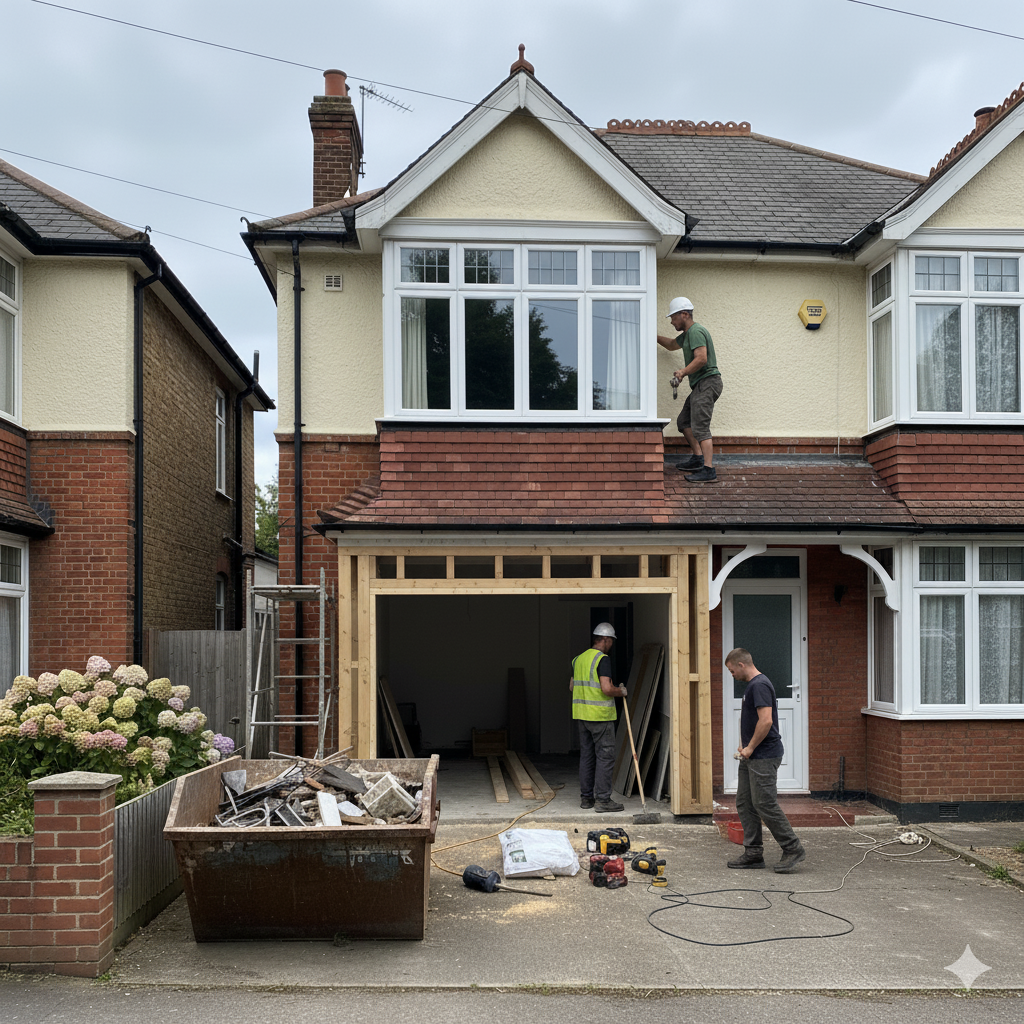

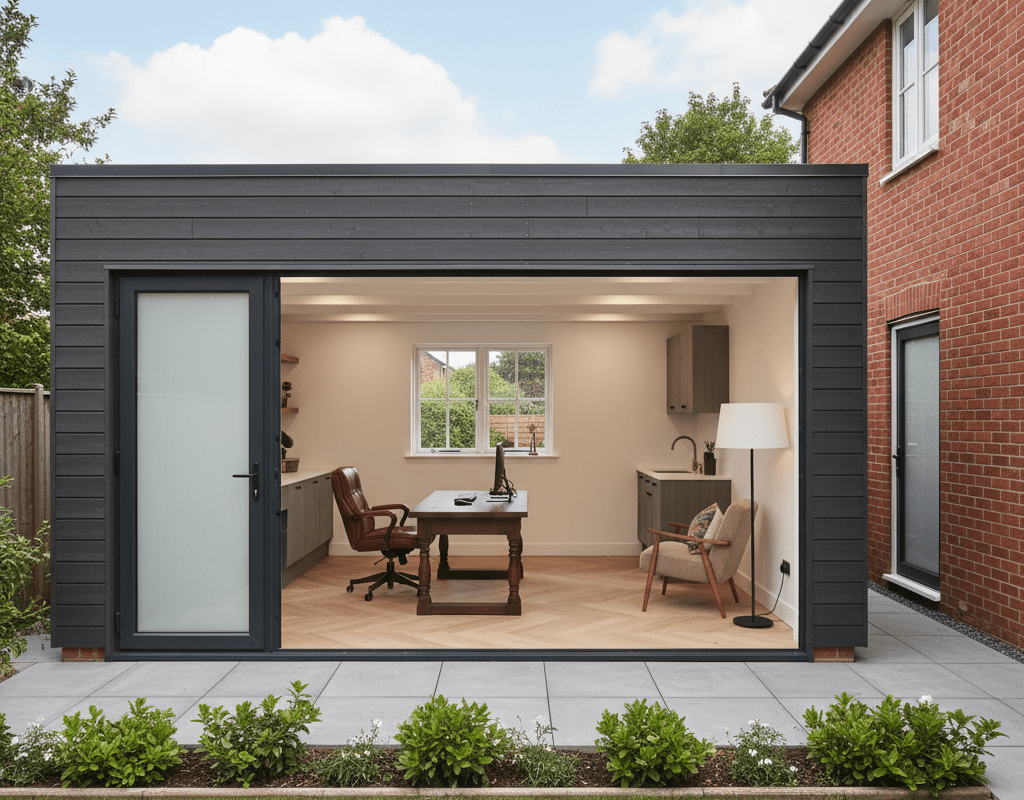



Managing construction work—whether it’s a home extension, renovation, loft conversion, or full build—can feel overwhelming. With multiple trades to organise, strict timelines, and budgets to manage, it’s easy to see why many homeowners find the process stressful. However, with the right planning, communication, and professional support, coordinating construction work can be far more straightforward than you might expect.
This guide explains how to streamline the entire process and keep your project running smoothly from start to finish.
1. Start with a Clear Plan and Scope of Work
The foundation of a stress-free construction project is proper planning. Before any work begins, define:
-
What you want to achieve
-
Your preferred timeline
-
Your budget
-
The level of finish you expect
-
Any essential features or materials
A detailed scope of work helps avoid confusion later and ensures all contractors understand the project requirements.
Tip: Include drawings, measurements, and written instructions wherever possible. Clarity eliminates guesswork.
2. Set a Realistic Budget with a Contingency
Construction costs can vary depending on materials, labour, and unexpected issues behind walls or under floors. A realistic budget is essential.
-
Research local building costs
-
Request detailed written quotations
-
Add a 10–15% contingency for unexpected expenses
This financial buffer significantly reduces stress if surprises appear during the build.
3. Hire Reputable, Experienced Contractors
One of the biggest causes of construction stress is working with the wrong team. Hiring experienced and accredited professionals:
-
Ensures higher-quality work
-
Reduces the chance of delays
-
Minimises expensive mistakes
-
Provides you with expert support throughout the project
Look for contractors with strong reviews, transparent pricing, and examples of previous work similar to your project.
4. Establish Clear Communication From Day One
Good communication is one of the most effective ways to avoid stress during construction. Agree on:
-
Regular check-ins (daily or weekly)
-
Preferred communication methods (WhatsApp, email, phone)
-
Who your main point of contact is
A good contractor will update you on progress, potential issues, and next steps—keeping you informed throughout.
5. Create a Timeline and Track Progress
A realistic project schedule helps keep the build running smoothly. Break the project into stages, such as:
-
Demolition
-
Structural work
-
First fix
-
Plastering
-
Second fix
-
Final finishes
Discuss the timeline with your builder and monitor progress each week. This keeps everyone accountable and prevents unnecessary delays.
6. Minimise Disruption at Home
If you’re living in the property during construction, manage disruption by:
-
Setting up temporary living or cooking spaces
-
Protecting furniture and flooring
-
Creating clear access routes for tradespeople
Small preparations can make day-to-day life much easier while the work is underway.
7. Be Prepared for Minor Setbacks
Delays and small hiccups can happen in any construction project due to:
-
Material shortages
-
Weather conditions
-
Hidden structural issues
-
Changes in design
Expecting occasional setbacks helps reduce stress, and a good contractor will handle solutions professionally.
8. Keep Changes to a Minimum
Changing your mind halfway through a project can cause:
-
Increased costs
-
Delays
-
Re-work of completed sections
If possible, finalise your design and material choices before construction begins.
9. Trust Your Contractors’ Expertise
Professional builders, project managers, and tradespeople are trained to handle complex tasks. While it’s important to stay informed, avoid micromanaging. Trusting qualified professionals will:
-
Reduce stress
-
Improve workflow
-
Allow trades to work more efficiently
10. Consider Hiring a Project Manager
If you want the ultimate stress-free experience, a professional project manager can coordinate:
-
Scheduling
-
Trades
-
Materials
-
Quality control
-
Building regulations
-
Inspections
This ensures seamless communication and keeps your project on track without you having to oversee every detail.
Final Thoughts
Coordinating construction work doesn’t have to be stressful. With clear planning, strong communication, and the right team by your side, your renovation or extension can be an exciting and enjoyable experience. Preparing properly and trusting professionals ensures the project stays on schedule, within budget, and delivers high-quality results.
