
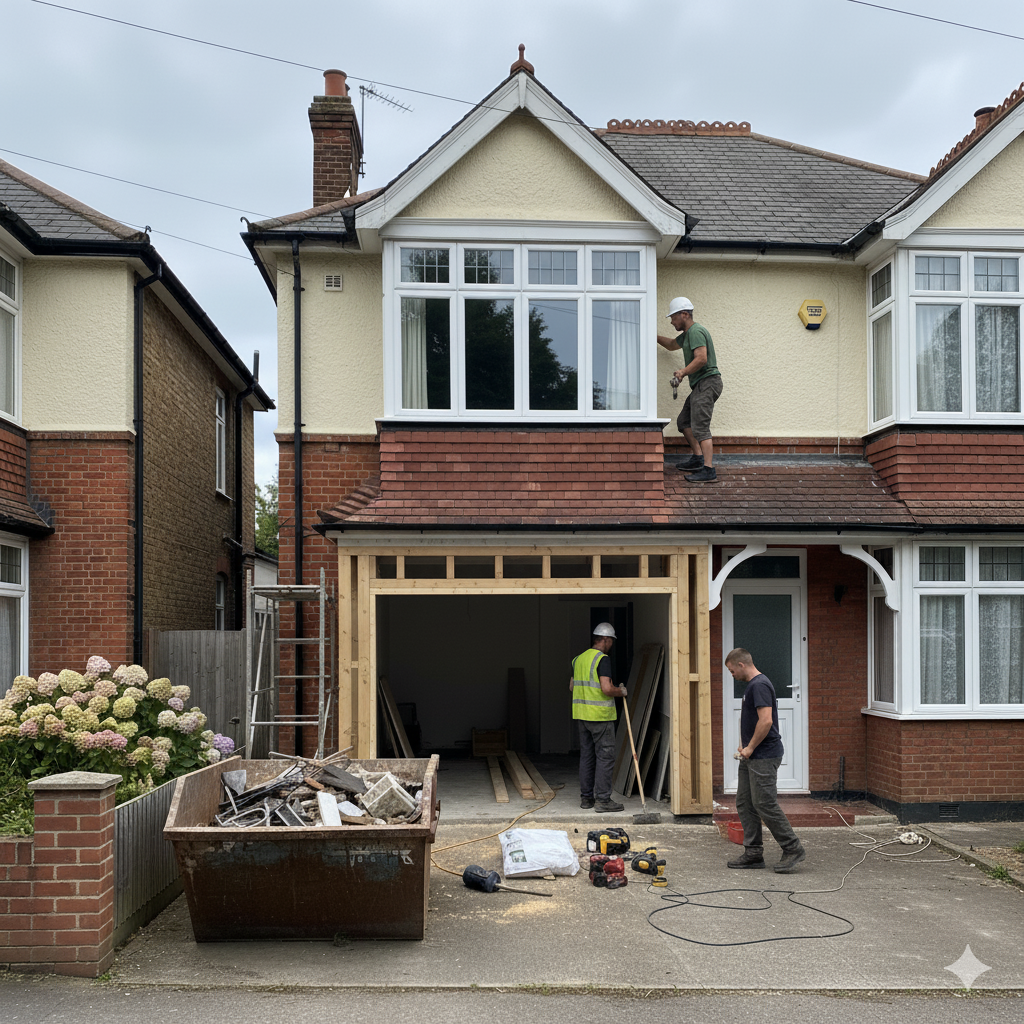





A loft conversion is one of the most popular and impactful home improvements in the UK, often adding a substantial extra room (or two!) and significant value to your property. However, it’s a complex structural project, and the choice of company can make the difference between a dream space and a prolonged nightmare.
Choosing the right loft conversion specialist is the single most important decision you will make. Here is your definitive, step-by-step guide to finding a reliable, reputable, and high-quality company for your UK project.
1. 🔍 Decide on Your Company Type: Specialist vs. General Builder
Your first decision is whether you want a specialist firm or a general builder. Both have pros and cons.
| Company Type | Pros | Cons |
| Loft Conversion Specialist | Extensive experience with the specific regulations (e.g., staircase pitch, fire escape). Offer Design & Build services, managing everything from planning to completion. Usually faster. | May be more expensive than a general builder. Less flexible if you want highly bespoke, non-standard elements. |
| General Builder | Can offer a more competitive quote. Can be highly flexible and often excellent for standard jobs. | May lack deep, specialist knowledge of loft regulations. You typically need to hire your own architect and structural engineer separately. |
Recommendation: For a complex structure like a loft conversion (especially a Dormer or Mansard), a specialist Design & Build company often provides the smoothest, most stress-free process.
2. 📝 Check Credentials and Legal Requirements
Do not rely solely on verbal recommendations. Ensure the company has all the necessary legal and operational credentials.
-
Insurance: They must have robust Public Liability Insurance (minimum of £2 million) and Employers’ Liability Insurance. Ask to see the documents.
-
Guarantees: A reputable firm should offer a long-term guarantee on their structural work, typically between 10 and 25 years. This should cover defects in materials and workmanship.
-
Trade Bodies: While voluntary, membership in key trade associations demonstrates commitment to quality standards:
-
Federation of Master Builders (FMB): Indicates vetted, quality builders.
-
TrustMark: Government-endorsed quality scheme.
-
-
Certification: Ensure they use certified contractors for high-risk work: Gas Safe Registered plumbers and NICEIC or ELECSA registered electricians.
3. 💼 The Vetting Process: References and Site Visits
A company’s past work is the best indicator of its future performance.
-
Ask for References: Request at least three references for projects completed in the last 12–18 months. Don’t just take the list—call them. Ask specific questions:
-
Were there unexpected delays, and how were they handled?
-
Did they stick to the quoted price?
-
How did they manage dust and disruption?
-
-
Visit Completed Projects: Crucially, ask to visit a completed loft conversion, ideally one similar in style to yours (Dormer, Hip-to-Gable, Velux). Look closely at the finish, the quality of the joinery, the staircase installation, and the integration with the existing house.
-
Visit an Active Site: If possible, visit a site that is currently mid-build. This gives you a true insight into how tidy and safe they keep their sites, and how professional their team is.
4. 💰 Understanding the Quote (Tender)
Loft conversion quotes are complex. Avoid any company that provides a vague, single-figure estimate. A good quote should be detailed and itemised.
-
What to Look For:
-
Clear Inclusions: Does the price include the architect’s fees, the structural engineer’s drawings, and Building Control fees?
-
Exclusions: What is not included? (e.g., your floor coverings, bathroom fittings, final painting/decorating).
-
Payment Schedule: A reputable company will ask for a small initial deposit (5-10%), followed by staggered payments tied to the completion of specific stages (e.g., roof off, structural steel in, first fix complete). Never pay the full balance upfront.
-
Contingency: Discuss their policy on unforeseen costs (e.g., hidden plumbing, roof decay). A good specialist will often quote a fixed price, taking on much of the risk themselves.
-
5. 🧑⚖️ Contract and Communication
The contract is your protection; communication is your sanity.
-
The JCT Contract: A professional company will likely use a standard form of contract, such as one from the Joint Contracts Tribunal (JCT). This is a robust, fair, and legally sound agreement that protects both parties.
-
Lead Time: Be clear on the start date and the expected duration. Most loft conversions take between 8 and 12 weeks of continuous work.
-
Appoint a Site Manager: Ensure you have one designated point of contact—the Site Manager—who is responsible for daily updates, managing trades, and addressing your queries. Clear communication prevents misunderstandings and reduces stress.
By following these rigorous steps—vetting their credentials, scrutinising their past work, and insisting on a transparent contract—you will significantly de-risk your project and choose a loft conversion company in the UK that delivers quality, on time and on budget.
