



When it comes to adding more space and value to your home, two of the most popular options in the UK are loft conversions and house extensions. Both can transform how you live — providing extra rooms, improved functionality, and a boost in property value. However, deciding which option is best depends on your home’s layout, budget, and long-term needs.
In this guide, we’ll help you understand the pros, cons, and practical considerations of each so you can make an informed decision that suits your property and lifestyle.
1. Understanding the Difference
Before making your choice, it’s important to understand what each project involves.
-
Loft Conversion: This transforms unused attic space into a functional room such as a bedroom, office, or playroom. It makes use of existing structure and doesn’t require additional land.
-
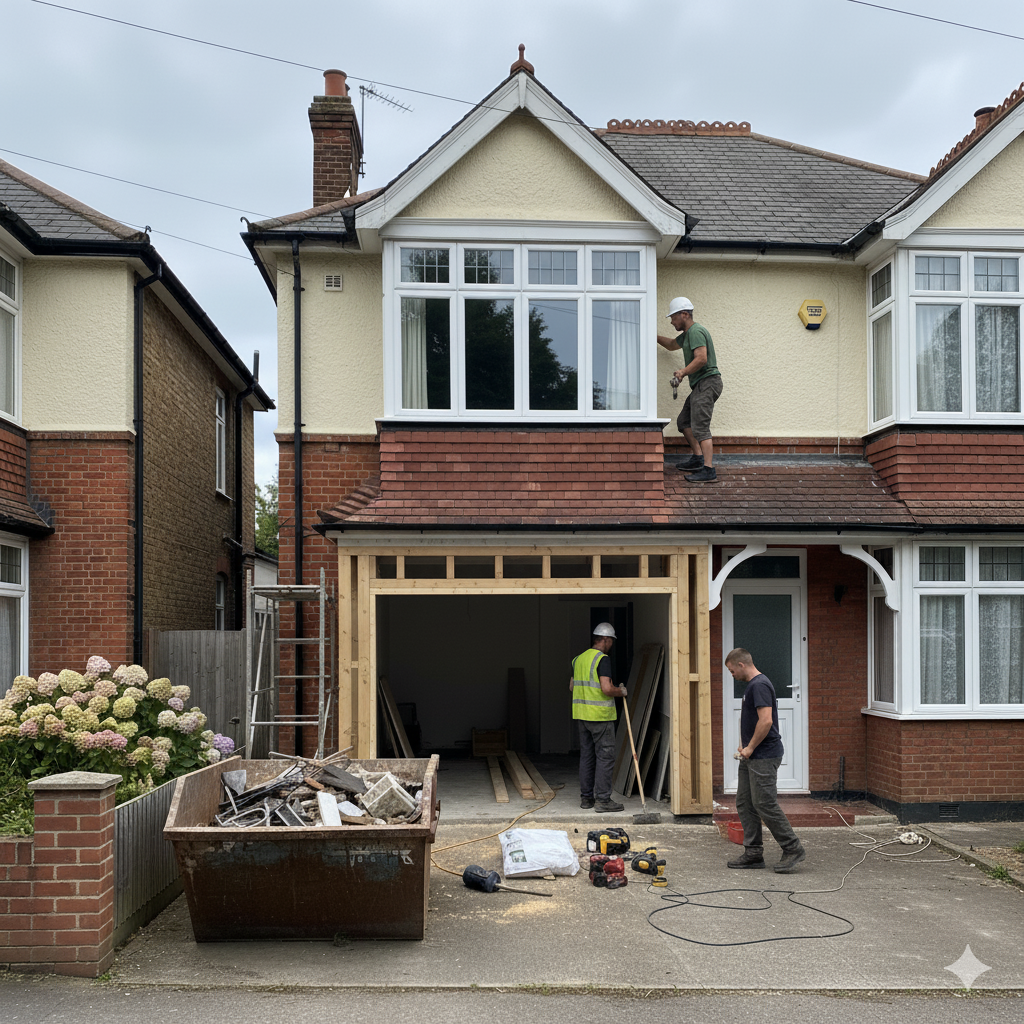
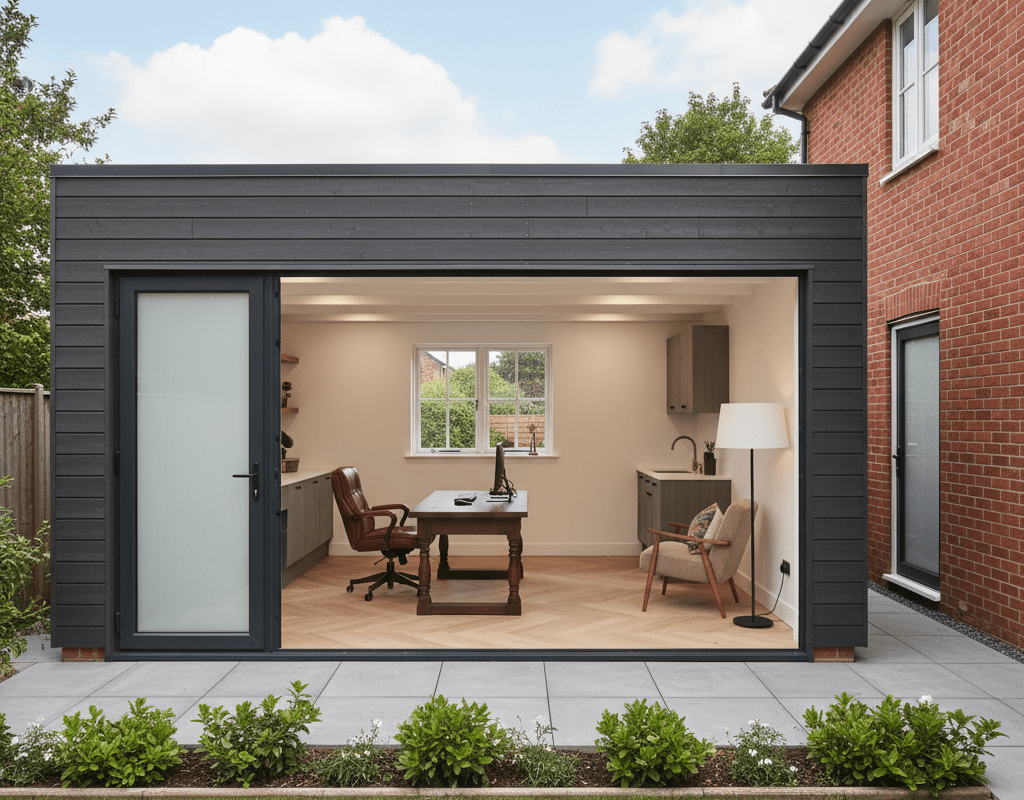
House Extension: This involves building outward from your existing property — often to the rear, side, or even as a double-storey addition — to increase the floor area. Extensions are ideal for larger kitchens, dining spaces, or living rooms.
2. Space Considerations
Your available space will likely be the biggest deciding factor.
Loft Conversion:
Best suited to homes with sufficient roof height (at least 2.2 metres from floor to ridge) and strong existing structure. Terraced and semi-detached homes are particularly well-suited, as lofts can be converted without encroaching on garden space.
House Extension:
Requires sufficient outdoor space. Ideal for properties with a generous garden or unused side area. If you value outdoor living, be mindful that extending will reduce your garden size.
Verdict:
If you lack outdoor space, go for a loft conversion. If you have plenty of land and want to expand living areas, a house extension is the better option.
3. Cost Comparison
Budget is another key consideration.
Loft Conversion Costs:
Generally more cost-effective than extensions because they use existing space and require less groundwork. In the UK, a standard loft conversion costs between £25,000 and £50,000, depending on complexity and finishes.
House Extension Costs:
Extensions usually cost between £35,000 and £100,000+, depending on size, materials, and whether it’s single- or double-storey. Costs also vary based on foundation work, plumbing, and structural changes.
Verdict:
For homeowners seeking additional space on a tighter budget, a loft conversion often offers better value for money.
4. Planning Permission and Regulations
Both projects may require planning permission, but the rules differ slightly.
Loft Conversion:
Many loft conversions fall under Permitted Development Rights, meaning no planning permission is required — as long as you don’t alter the roofline excessively or extend beyond height limits. However, listed buildings or properties in conservation areas will need approval.
House Extension:
Extensions are more likely to require planning permission, especially for larger projects. Even under Permitted Development, you must adhere to strict guidelines on size, height, and boundary distance.
Both projects must also comply with Building Regulations, covering safety, insulation, fire escapes, and structural integrity.
Verdict:
A loft conversion generally involves a simpler approval process.
5. Timeframe and Disruption
How quickly do you need your new space, and how much disruption can you handle?
Loft Conversion:
Typically takes 6–10 weeks, depending on complexity. Since most work is done above your main living area, disruption is minimal compared to extensions.
House Extension:
Usually takes 3–6 months or more, depending on size and weather conditions. It often involves significant groundwork and may temporarily affect daily living.
Verdict:
If you want a faster, less disruptive project, a loft conversion is ideal.
6. Functionality and Use of Space
Consider what kind of space you need.
Loft Conversion Ideas:
-
Additional bedroom or guest room
-
Home office or study
-
Kids’ playroom or entertainment area
-
Gym or hobby room
Lofts tend to suit quieter, more private purposes due to their separation from main living areas.
House Extension Ideas:
-
Larger kitchen or open-plan living area
-
Dining or family room
-
Ground-floor bedroom or utility room
-
Home office integrated with daily living spaces
Extensions offer greater flexibility and accessibility — ideal for families who want more communal space.
Verdict:
For private or individual rooms, choose a loft conversion. For shared or social spaces, a house extension works best.
7. Impact on Property Value
Both options can significantly increase your home’s value — but the return on investment varies.
-
Loft Conversion: Typically adds around 10–20% to your property’s value.
-
House Extension: Can add 15–25%, especially if it creates larger living areas or extra bathrooms.
Your location also plays a role. In cities like London, where space is at a premium, loft conversions are highly desirable, while extensions tend to appeal more in suburban or rural areas with bigger plots.
Verdict:
Both boost value, but extensions can have a higher long-term return if designed well.
8. Aesthetic and Lifestyle Impact
Think about how each option will affect your home’s overall look and lifestyle.
-
Loft conversions often blend seamlessly without altering your home’s footprint, preserving garden space.
-
Extensions can transform your property’s exterior and internal layout, allowing for open-plan designs and modern living spaces.
Your lifestyle and long-term plans will help determine which best fits your vision.
9. Maintenance and Energy Efficiency
Both upgrades improve insulation and efficiency if done properly.
-
Loft conversions can enhance your home’s energy performance with modern insulation and windows.
-
Extensions offer opportunities for underfloor heating, energy-efficient glazing, and new electrical systems.
However, loft conversions are easier to maintain since they involve less structural exposure to external elements.
10. Final Verdict – Which Is Best for You?
| Factor | Loft Conversion | House Extension |
|---|---|---|
| Cost | Lower | Higher |
| Space Needed | No extra land | Requires garden space |
| Planning Permission | Often not required | Frequently required |
| Disruption | Minimal | More extensive |
| Timeframe | 6–10 weeks | 3–6 months |
| Added Value | 10–20% | 15–25% |
| Best For | Bedrooms, offices, quiet spaces | Kitchens, living rooms, family areas |
In summary:
If you need an additional private room and want a quicker, more affordable upgrade, go for a loft conversion.
If you’re looking to expand communal living space and enhance overall layout, a house extension is worth the investment.
Final Thoughts
Choosing between a loft conversion and a house extension depends on your priorities — whether that’s cost, space, or lifestyle. Both options can dramatically improve your home’s functionality and resale potential when designed and executed properly.
Before deciding, consult an experienced architect or builder who can assess your property and help you select the solution that delivers the best balance of value, comfort, and design.
