



In the UK property market of 2026, the “don’t move, improve” sentiment has taken a sophisticated turn. While extensions are a traditional go-to, the combination of stricter planning scrutiny and rising material costs has led savvy homeowners to a more efficient solution: internal reconfiguration.
Adding living space doesn’t always require a larger footprint. Often, the square footage you need is already hiding within your four walls, camouflaged by outdated layouts or underutilised “dead zones.” Here is how to unlock that potential and add significant living space without the cost or hassle of a full extension.
1. The Power of “Broken-Plan” Reconfiguration
For years, “open-plan” was the only buzzword in British home design. In 2026, we have moved toward broken-plan living. This involves removing non-load-bearing walls to create a sense of space, then using subtle dividers to define functional zones.
-
Internal Knock-Throughs: Removing the wall between a cramped kitchen and a formal dining room is the most effective way to “find” space. It improves light flow and eliminates “corridor fatigue.”
-
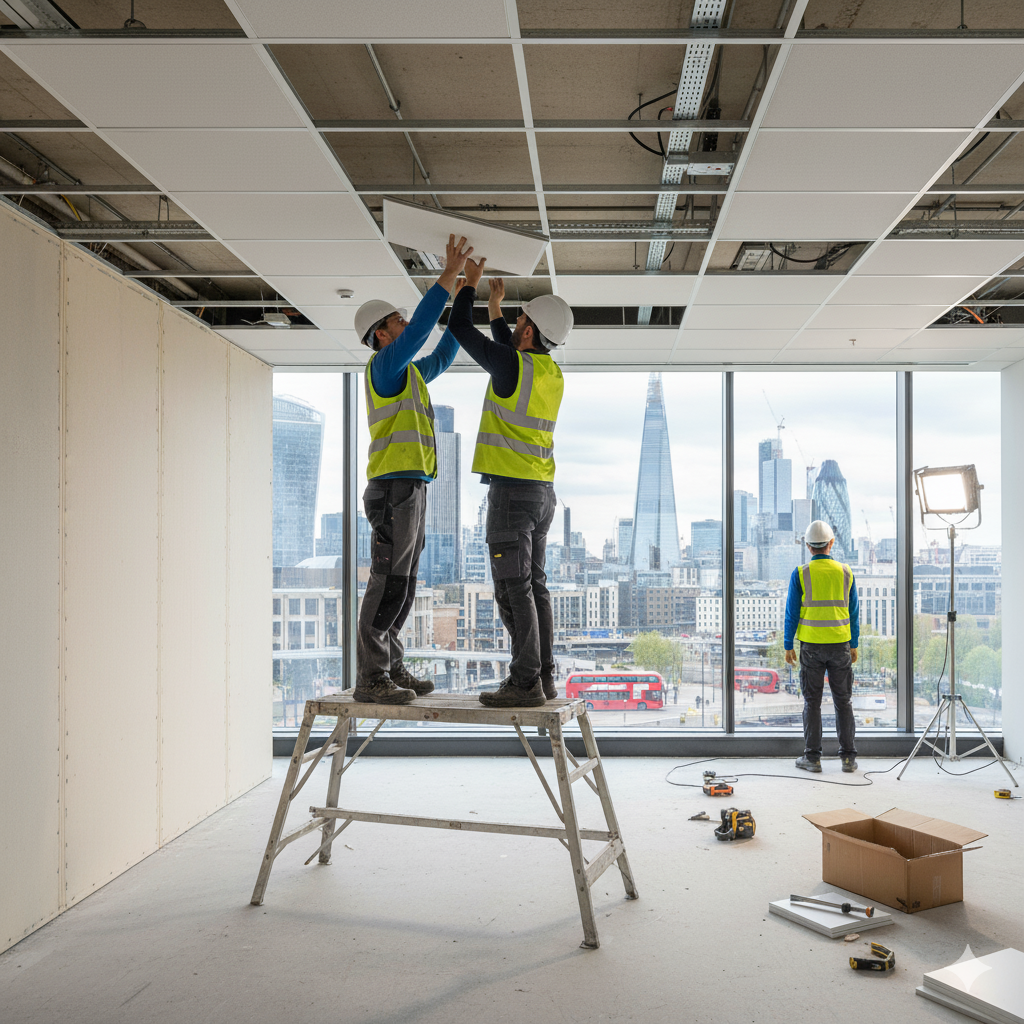
Crittall-Style Partitions: Instead of solid walls, use glass partitions or sliding pocket doors. These allow light to penetrate deep into the home while providing the acoustic privacy needed for modern hybrid working.
-
The “Borrowing” Technique: Look at your hallway. Could you “steal” 50cm from a wide landing to create a built-in study nook or a utility cupboard? Small adjustments to internal partitions can yield massive lifestyle gains.
2. Garage Conversions: The Highest ROI “Non-Extension”
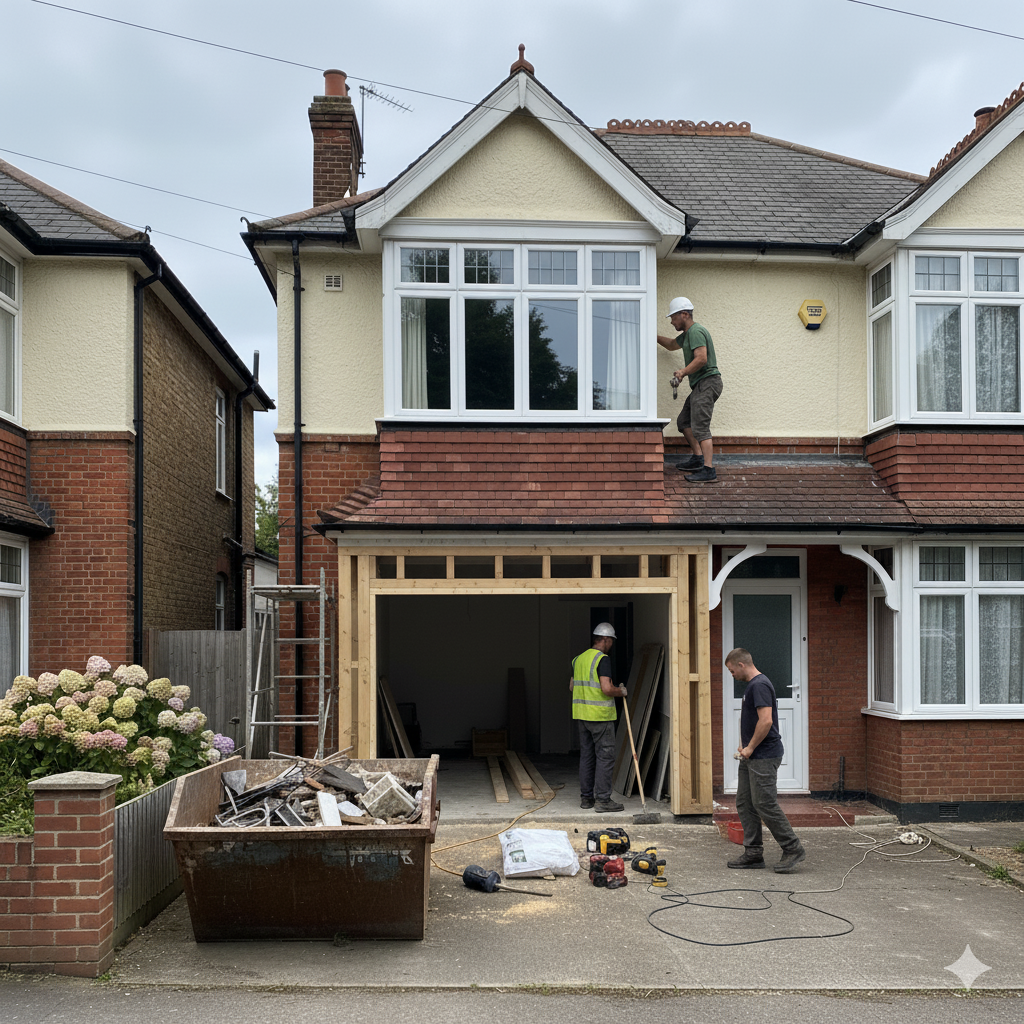
If you have an integral or attached garage, you are sitting on roughly 15$m^2$ to 30$m^2$ of untapped living space. With 2026’s shift toward smaller, more efficient electric vehicles (or street parking), the garage is often better used as a habitable room.
-
Cost vs. Value: A garage conversion typically costs between £10,000 and £20,000, significantly less than a £50k extension, yet it can add up to 10–15% to your property’s value.
-
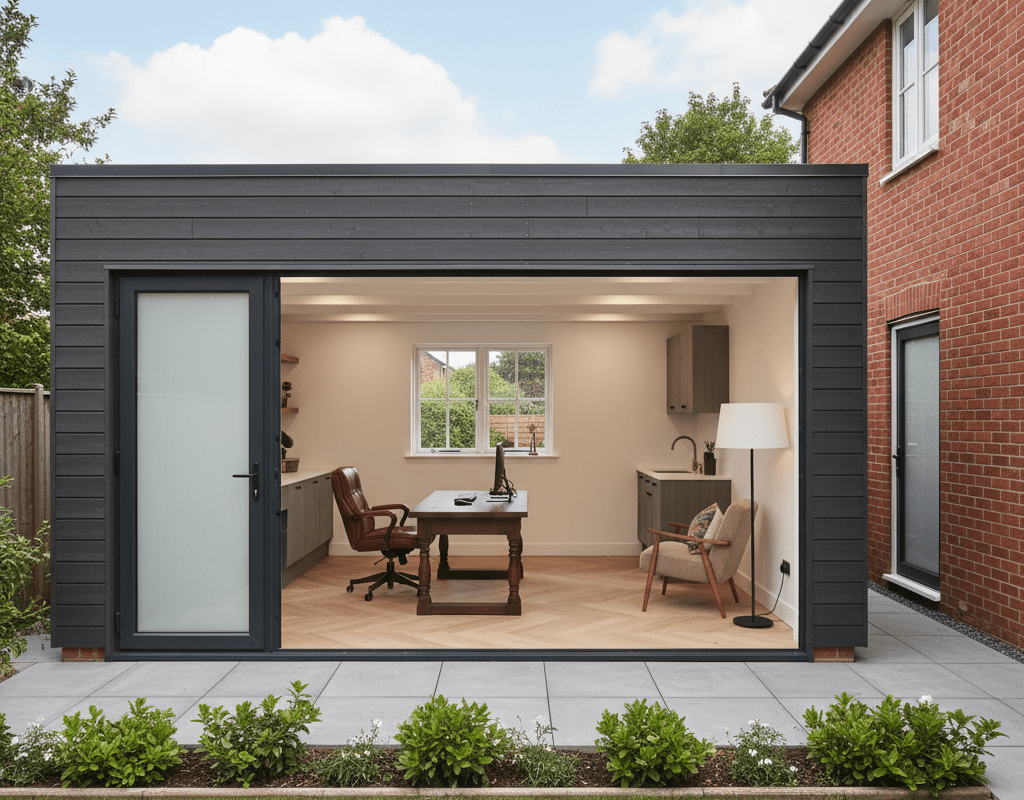
Room Potential: These spaces are ideal for ground-floor bedrooms (future-proofing your home), high-spec home cinemas, or professional-grade gyms.
-
Planning Ease: Most garage conversions fall under Permitted Development, meaning you can often bypass the lengthy planning permission process entirely.
Space-Saving ROI Comparison (UK 2026)
| Project | Estimated Cost | Space Gained | Impact on Value |
| Garage Conversion | £12,000 – £20,000 | 15 – 30$m^2$ | High (10–15%) |
| Loft “Room-in-Roof” | £25,000 – £40,000 | 20 – 40$m^2$ | Very High (15%+) |
| Internal Wall Removal | £2,500 – £5,000 | Visual/Flow | Moderate (3–5%) |
| Basement Tanking | £20,000 – £50,000 | Variable | High (Urban areas) |
3. The “Room-in-Roof” (Velux) Conversion
A full dormer loft extension is a major construction project. However, if you have sufficient head height, a Velux-only conversion is a faster, cheaper way to add a bedroom or office.
-
No Structural Bulk: By simply adding high-performance insulation, flooring, and rooflights, you can transform a dusty attic into a light-filled sanctuary.
-
2026 Insulation Standards: To meet the latest UK building regs, ensure you use high-spec PIR boards. This keeps the room “thermally stable,” preventing the common loft issue of being too hot in summer and freezing in winter.
4. Exploiting “Dead Space” Under the Stairs
The space beneath your staircase is often the most wasted area in a British home. In 2026, bespoke joinery has turned this “junk cupboard” into a high-value asset.
-
The Micro-Office: A custom-fitted desk and shelving can create a perfect “Zoom zone” that tucks away behind doors when the workday ends.
-
The Downstairs Cloakroom: If your plumbing allows, installing a small WC under the stairs is one of the most practical upgrades you can make, especially for families.
-
Pull-Out Pantries: For kitchens with limited storage, under-stair pull-out drawers can house a month’s worth of dry goods, freeing up kitchen worktops.
5. Mezzanine Levels: Thinking Vertically
If you live in a property with high ceilings—such as a Victorian school conversion or a period villa—think vertically.
-
Platform Beds: In smaller bedrooms, raising the bed onto a mezzanine platform creates space for a sofa or desk underneath.
-
Library Walkways: A mezzanine can turn a tall, wasted hallway into a stunning library or a quiet reading retreat without altering the building’s footprint.

One Response
Your blog is a treasure trove of knowledge! I’m constantly amazed by the depth of your insights and the clarity of your writing. Keep up the phenomenal work!