
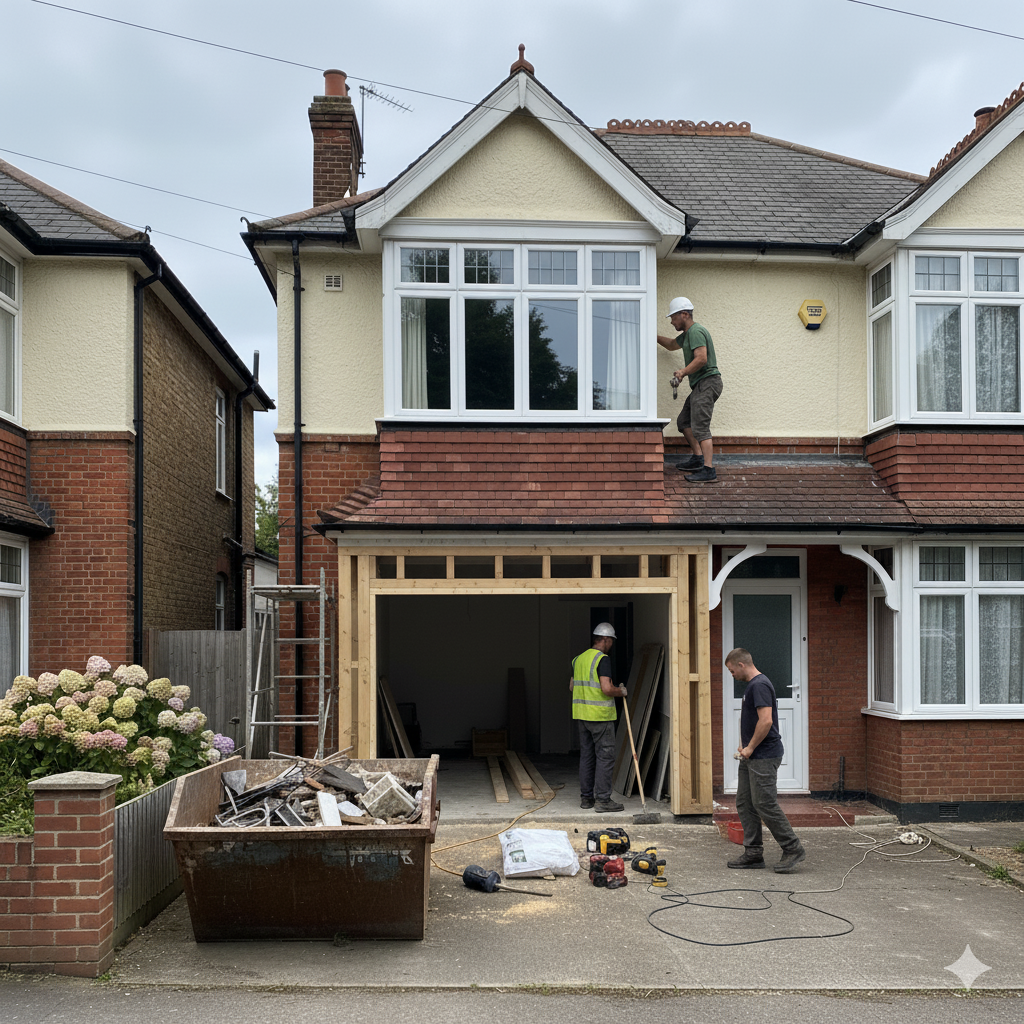

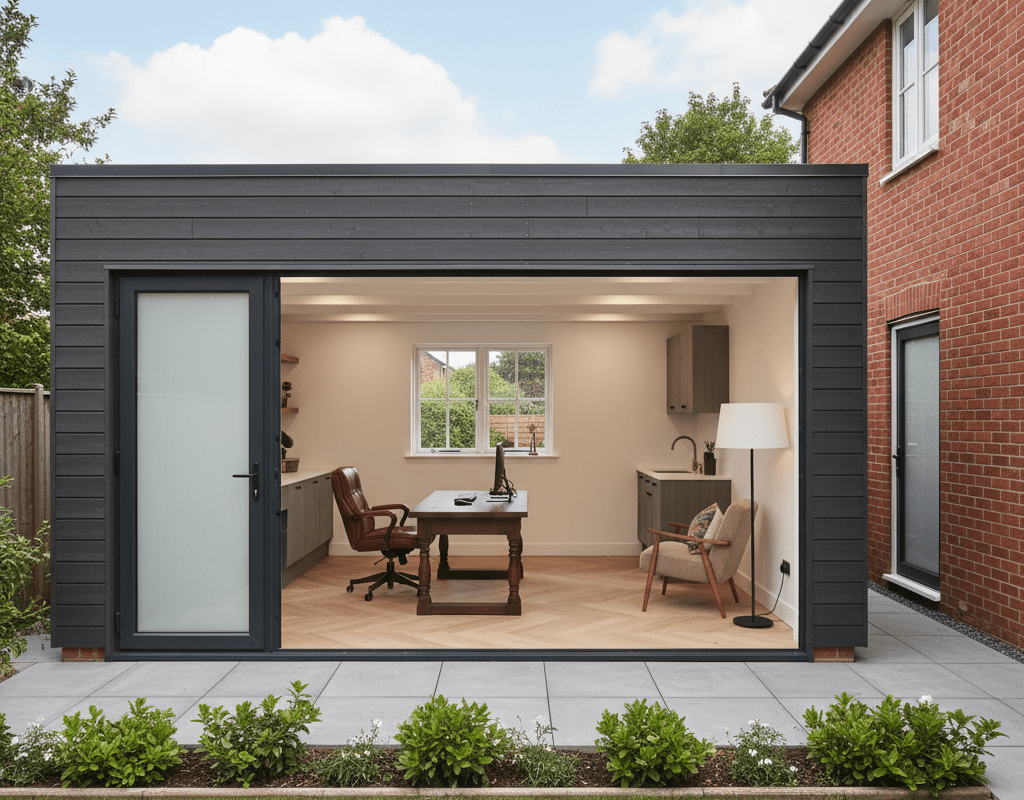



Estimating the cost of a full renovation is like asking “how long is a piece of string,” but in 2026, we have clear data on the three main “tiers” of renovation. For a standard 3-bedroom semi-detached house (approx. $100\text{m}^2$), here is what you should budget.
1. The Three Tiers of Renovation (2026 Averages)
Tier 1: Cosmetic Refresh (£20,000 – £35,000)
This is for houses with “good bones” that just need a modern face.
-
Includes: Professional painting throughout, new flooring (LVT or carpet), new internal doors, and basic kitchen/bathroom face-lifts (replacing doors/taps).
-
Cost per $m^2$: £200 – £350.
Tier 2: Standard Full Renovation (£65,000 – £100,000)
The most common bracket for UK homeowners in 2026.
-
Includes: All items in Tier 1, plus a completely new mid-range kitchen and bathroom, full electrical rewire, new central heating system (often including an Air Source Heat Pump), and minor structural changes (e.g., knocking down a non-load-bearing wall).
-
Cost per $m^2$: £650 – £1,000.
Tier 3: “Back-to-Brick” Structural Overhaul (£120,000 – £200,000+)
Required for neglected properties or those needing significant reconfiguration.
-
Includes: Full gutting of the property, new roof, damp proofing, floor joist repairs, structural steels for open-plan living, high-spec windows, and premium finishes.
-
Cost per $m^2$: £1,200 – £2,000+.
2. Room-by-Room Cost Breakdown
To build a more accurate budget, look at the individual “heavy-hitter” zones.
| Room / Project | Budget Range | Mid-Range Average |
| Kitchen (Supply & Fit) | £12,000 – £40,000 | £22,000 |
| Main Bathroom | £6,000 – £15,000 | £9,500 |
| Electrical Rewire | £5,000 – £10,000 | £7,500 |
| Heating System (ASHP + Rads) | £8,000 – £18,000 | £12,000 |
| New Windows (Whole House) | £8,000 – £22,000 | £14,000 |
| Plastering (Full House) | £6,000 – £12,000 | £8,500 |
Pro Tip: In 2026, the labour-to-material ratio typically sits at 40/60. For every £1,000 you spend on a kitchen, expect to pay roughly £400 to the specialists who install it.
3. The “Invisible” Costs of 2026
Homeowners often forget the “soft costs” that don’t involve bricks and mortar.
-
Professional Fees: If you are making structural changes, you will need an Architect (5%–12% of build cost) and a Structural Engineer (£600–£2,000).
-
Building Control: Fees for inspections typically range from £500 to £1,200 depending on the scale of the works.
-
The 2026 Contingency: With material lead times still causing delays, we now recommend a 20% contingency fund. On a £100,000 project, you must have £20,000 in reserve for the “uh-oh” moments (like discovering asbestos or rotten joists).
4. Regional Price Variations
Location is the biggest variable in UK renovation costs. Using the National Average as a baseline (1.0):
-
London & South East: Multiply costs by 1.2x to 1.5x. A £100k project in Manchester will likely cost £140k in Clapham.
-
Midlands & South West: Roughly follows the national average (1.0x).
-
North of England & Scotland: You can often achieve the same result for 0.8x to 0.9x of the national average, primarily due to lower labour rates.
5. How to Save Without Sacrificing Quality
-
Leverage Grants: In 2026, the Warm Homes Plan offers significant rebates for insulation and heat pumps. This can shave £5,000–£10,000 off your “essential systems” budget.
-
The “Second-Fix” DIY: While you should leave plumbing and electrics to the pros, many homeowners save thousands by doing their own decorating, tiling, and floor laying.
-
Contractor Selection: Don’t just go for the cheapest quote. A “professional” builder who manages their own waste and sticks to a timeline is often cheaper than a “discount” builder whose delays cost you months of extra mortgage payments.
Final Thoughts
Understanding full home renovation costs in the UK is about balancing your aspirations with the reality of the 2026 economy. While the headline figures can be eye-watering, a well-managed renovation remains the best way to create a bespoke home that is energy-efficient, modern, and worth significantly more than you paid for it.
