
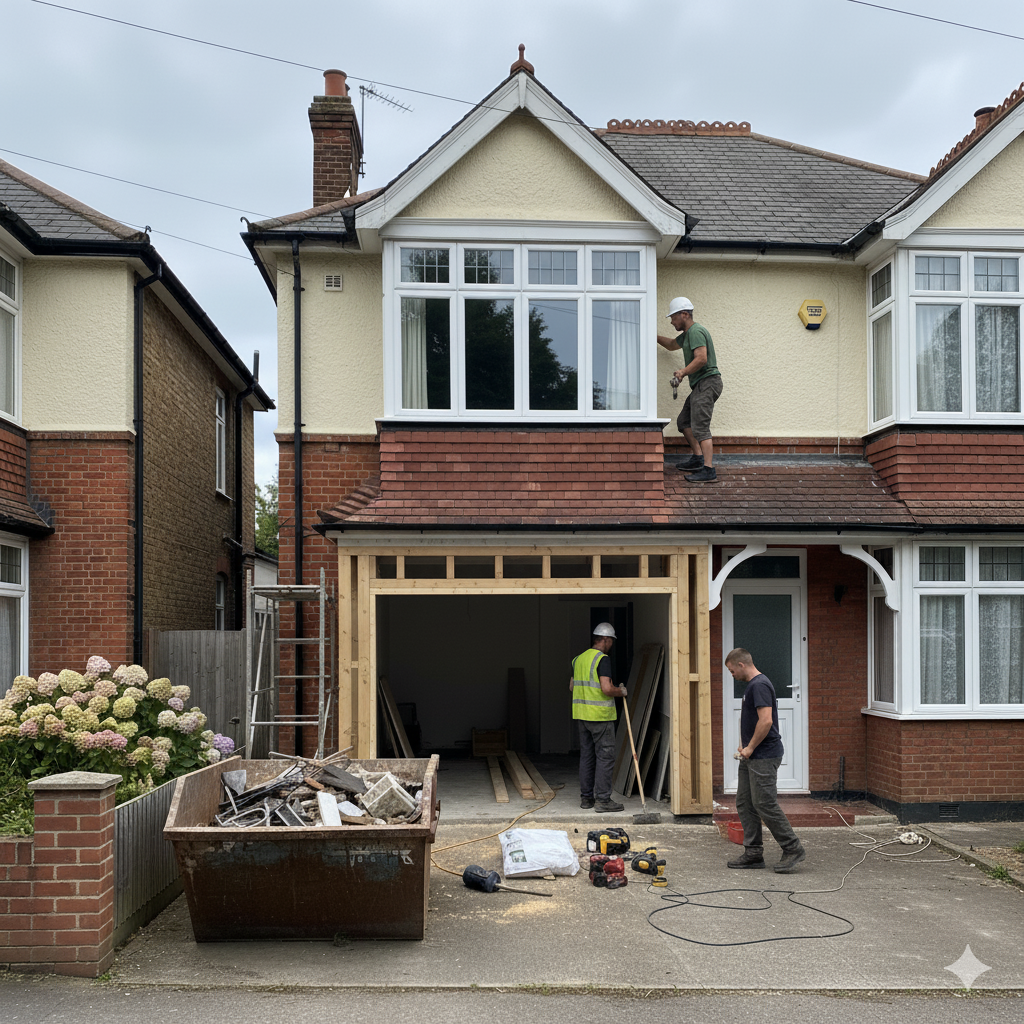
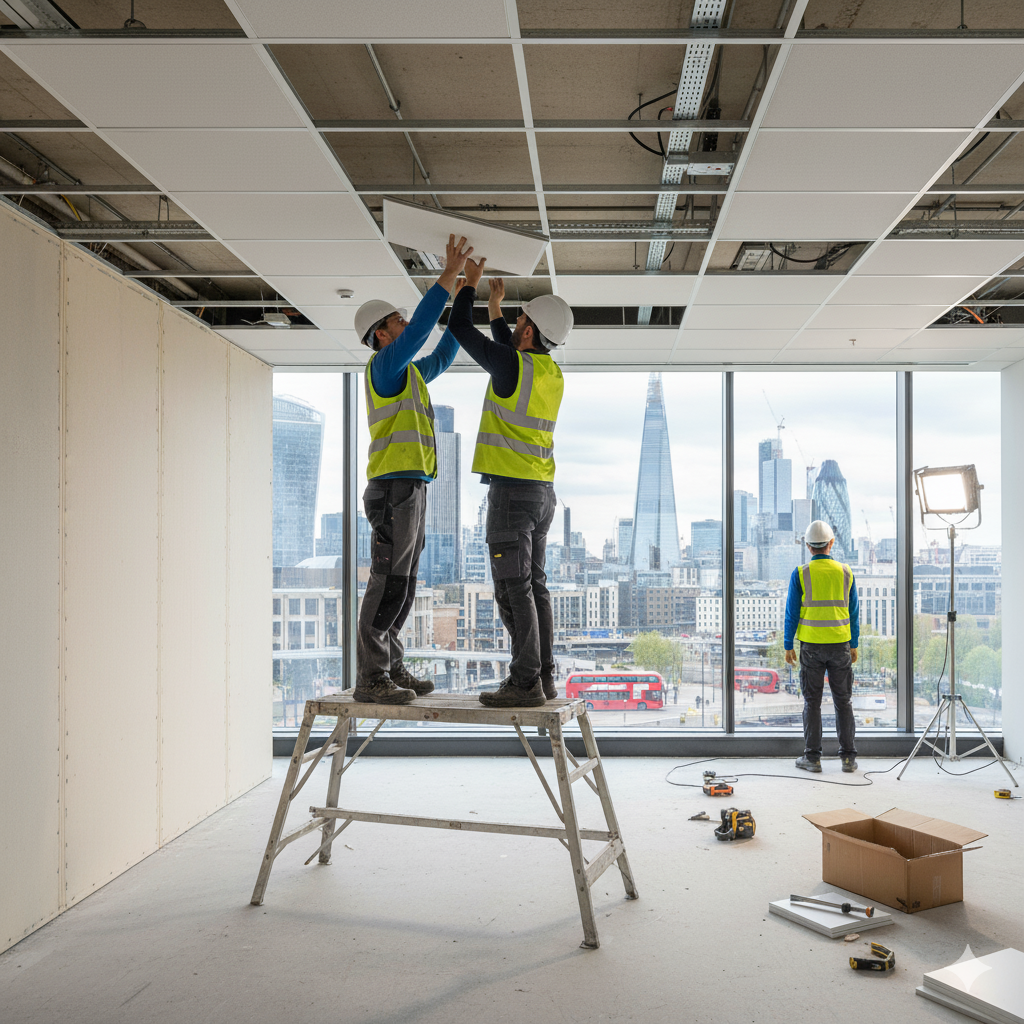




Building or renovating a home in the UK is a monumental undertaking. With the introduction of the Building Safety Act and the Future Homes Standard in 2026, the margin for error has narrowed significantly. In an era of rising material costs and stricter environmental regulations, a single oversight can transform a dream project into a financial and legal nightmare.
To ensure your project stays on track, you must look beyond the aesthetics and focus on the technical and regulatory foundations. Here is a guide to the most common construction mistakes and, more importantly, how to avoid them.
1. The “Budget Optimism” Trap
Perhaps the most frequent mistake in UK construction is underestimating the true cost of a build. Homeowners often budget for the “best-case scenario” rather than the reality of the 2026 market.
-
The Mistake: Failing to account for professional fees (architects, structural engineers, surveyors), VAT (20%), and the inevitable “unknowns” hidden behind old walls.
-
How to Avoid It: Always add a 15–20% contingency fund to your total budget. In 2026, material price fluctuations are common; having a buffer ensures that a small delay doesn’t halt the entire project.
2. Bypassing Building Regulations and Planning
In the UK, “Permitted Development” is a useful tool, but it is often misunderstood. Many homeowners assume they don’t need approval, only to face “enforcement notices” later.
-
The Mistake: Starting work without a Lawful Development Certificate or failing to notify Building Control for structural changes, insulation upgrades, or new drainage.
-
How to Avoid It: Consult a professional early. For 2026 projects, ensure your plans comply with Part L (Fuel and Power) and Part F (Ventilation). These are now strictly enforced to meet UK net-zero targets. Always obtain a final Completion Certificate—you cannot legally sell your home without it.
3. Prioritising “Pretty” Over “Permanent”
It is tempting to spend the bulk of your budget on a designer kitchen while skimping on the “invisible” elements like foundations, damp-proofing, and insulation.
-
The Mistake: Choosing the cheapest insulation or ignoring a minor damp issue to afford premium floor tiles. This leads to “cold-bridging,” mould, and structural decay.
-
How to Avoid It: Invest in the building envelope first. High-performance insulation and a robust damp-proof course (DPC) will save you thousands in energy bills and repair costs over the next decade.
Construction Pitfalls vs. Pro Solutions
| The Mistake | Potential Cost/Risk | The Professional Solution |
| Skipping a Survey | Structural collapse / Legal disputes | Commission a RICS Level 3 Survey before starting. |
| DIY Electrics/Gas | Fire risk / Illegal status | Use Gas Safe and NICEIC registered pros. |
| Poor Communication | Rework and “misunderstandings” | Use a written JCT or FMB Contract. |
| Ignoring Party Walls | Injunctions from neighbours | Serve a Party Wall Notice 2 months in advance. |
4. Hiring the “Available” Builder Over the “Right” Builder
In 2026, the UK faces a skilled labour shortage. A builder who can “start tomorrow” is often a red flag.
-
The Mistake: Hiring a contractor based solely on immediate availability or the lowest price. This often leads to “cowboy” workmanship, vanished deposits, or unfinished sites.
-
How to Avoid It: Vet your contractors thoroughly. Look for memberships in the Federation of Master Builders (FMB) or TrustMark. Check at least three recent references and visit a “live” site to see how they manage health, safety, and cleanliness.
5. Changing the Design Mid-Build
“Scope creep” is the silent killer of construction timelines and budgets.
-
The Mistake: Deciding to move a bathroom or add an extra window once the walls are already up. This requires “undoing” work, re-ordering materials, and rescheduling trades.
-
How to Avoid It: Lockdown your Detailed Design before any ground is broken. Every change made after the start date costs three times more in time and money than it would have during the planning phase.
6. Neglecting the “Golden Thread” of Information
Following the recent building safety reforms, keeping a digital record of your build (the “Golden Thread”) is becoming the industry standard for all residential projects.
-
The Mistake: Losing track of warranties, material specifications, and certificates of compliance.
-
How to Avoid It: Maintain a digital folder containing all invoices, Fensa certificates for windows, HETAS/Gas Safe certificates, and photos of “hidden” work (like pipework and wiring) before the walls are closed.
