



In the UK property market of 2026, the strategy for increasing home value has shifted from “bigger is better” to “smarter and more efficient.” With house price growth stabilising at a modest 1.5% to 2% and energy running costs taking centre stage, buyers are prioritising “turnkey” properties that offer long-term sustainability and flexible living.
If you are looking to maximise your return on investment (ROI), certain upgrades consistently outperform others. Here is the definitive guide to the best home improvements to increase property value in the UK for 2026.
1. Energy Efficiency Upgrades: The “Green Premium”
By 2026, a home’s Energy Performance Certificate (EPC) has become a primary negotiation tool. Properties with an A or B rating now command a price premium of roughly 1.7%, while those with poor ratings face significant discounts.
-
Solar PV & Battery Storage: With electricity costs remaining 45% higher than 2021 levels, a 4kW to 6kW solar system is a high-demand feature.
-
Heat Pumps: Supported by government grants of up to £7,500, switching from a gas boiler to an Air Source Heat Pump (ASHP) can add up to 10% in value, especially as the 2030 gas boiler ban approach nears.
-
High-Spec Insulation: Upgrading loft insulation to 300mm and installing triple glazing (U-values of 0.8 W/m²K) are considered “non-negotiables” for premium buyers.
2. The Loft Conversion: Adding a Master Suite
A loft conversion remains the single most effective way to jump your home into a higher valuation bracket. In 2026, the most successful lofts are designed as self-contained master suites.
-
Value Added: Typically adds 15% to 20% to the property value.
-
The 2026 Trend: Incorporating a small “coffee station” or a dedicated “Zoom nook” within the loft space to cater to the permanent hybrid-working population.
-
Cost: Expect to pay between £45,000 and £65,000 for a high-quality dormer conversion.
ROI Comparison Table (UK 2026)
| Improvement | Average Cost | Est. Value Increase | ROI Ranking |
| Loft Conversion | £50,000 | 20% | High |
| New Kitchen (Mid-range) | £15,000 | 10% | Moderate |
| Garage Conversion | £12,000 | 10% – 15% | High |
| Solar Panels & Battery | £9,000 | 5% – 8% | Moderate |
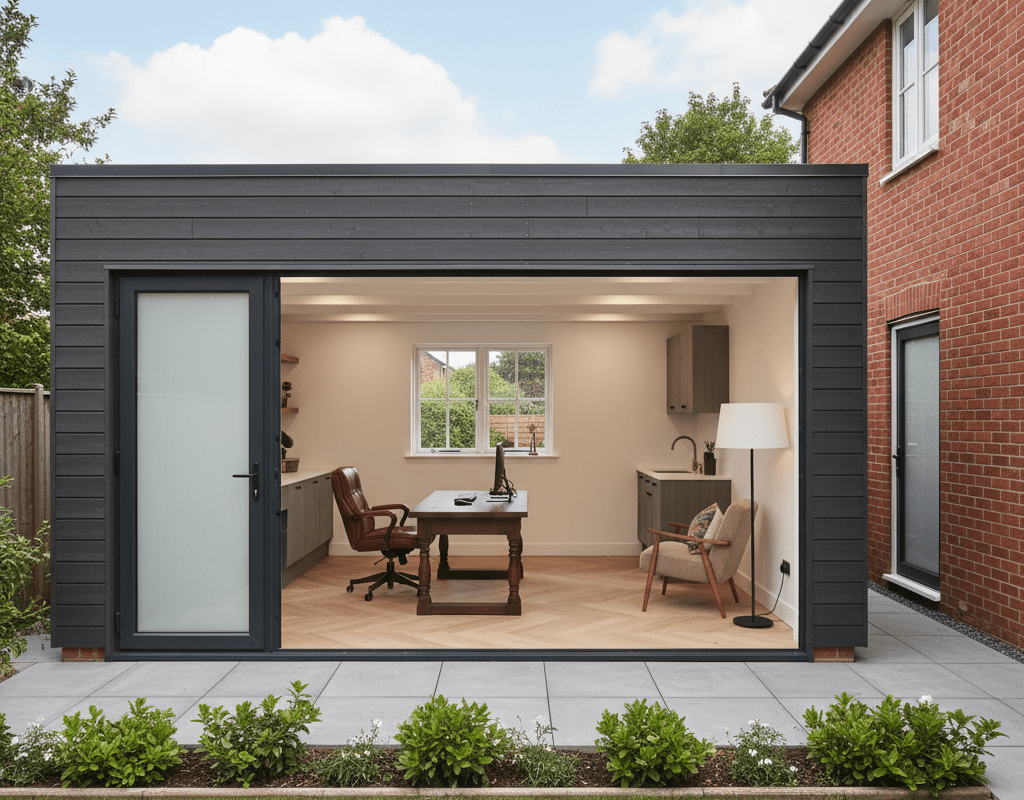
| Garden Office Pod | £18,000 | 5% – 10% | Moderate |
3. Garage Conversions: The Low-Cost Space Creator
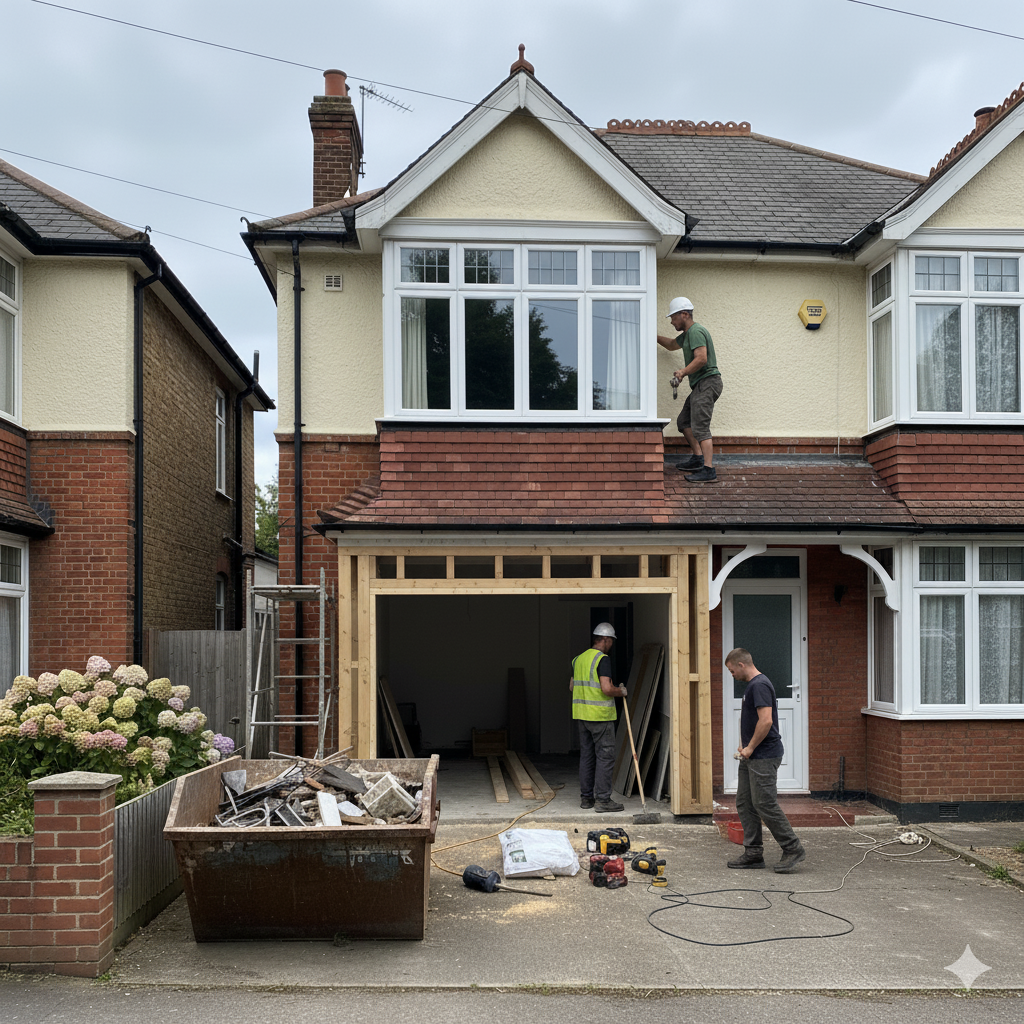
With fewer people using garages for cars in 2026, converting this “dead space” into a habitable room is one of the most cost-effective upgrades.
-
Utility Rooms & Pantries: Buyers are currently obsessed with “hidden” storage. A garage conversion that provides a large utility room and a “boot room” is highly attractive to families.
-
Home Gyms or Cinemas: Flexible “hobby rooms” help a property stand out in a crowded market.
-
ROI: Since the structure already exists, the conversion cost is low (approx. £12,000–£18,000), but the value added can be double the investment.
4. Kitchen Refreshes vs. Full Renovations
In 2026, buyers are savvy about renovation costs and often prefer a “refreshed” kitchen over a cheap, brand-new one.
-
The “Facelift” Strategy: Instead of a full £30,000 refit, homeowners are seeing better ROI by replacing cabinet doors, installing quartz or composite worktops, and upgrading to high-efficiency induction hobs.
-
Smart Lighting: Strategic LED zonal lighting—under cabinets, plinths, and inside larders—creates a premium feel for a fraction of the cost of structural work.
5. Outdoor Living and “Kerb Appeal”
First impressions are everything in 2026’s online-first marketplace. If your home doesn’t look good in the “hero shot” on Rightmove, buyers will scroll past.
-
Modern Glazing: Slim-frame aluminium windows and “Crittall-style” internal doors are the dominant aesthetic trends.
-
Sustainable Landscaping: Low-maintenance, “biophilic” gardens that incorporate native planting and permeable paving (to prevent flooding) are now seen as a sign of a well-maintained home.
-
Smart Security: Integrated video doorbells, smart locks, and fingerprint entry are no longer luxury extras—they are expected features that add “peace of mind” value.
