
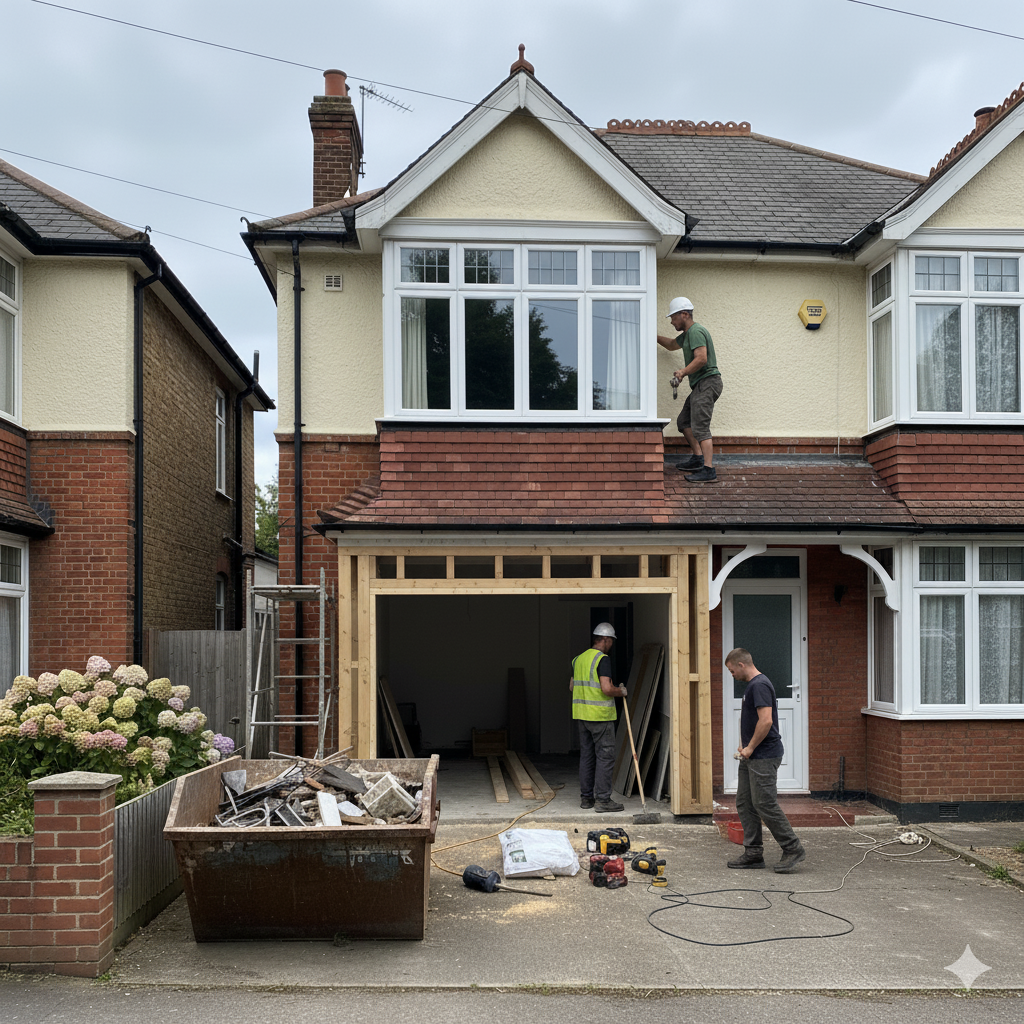

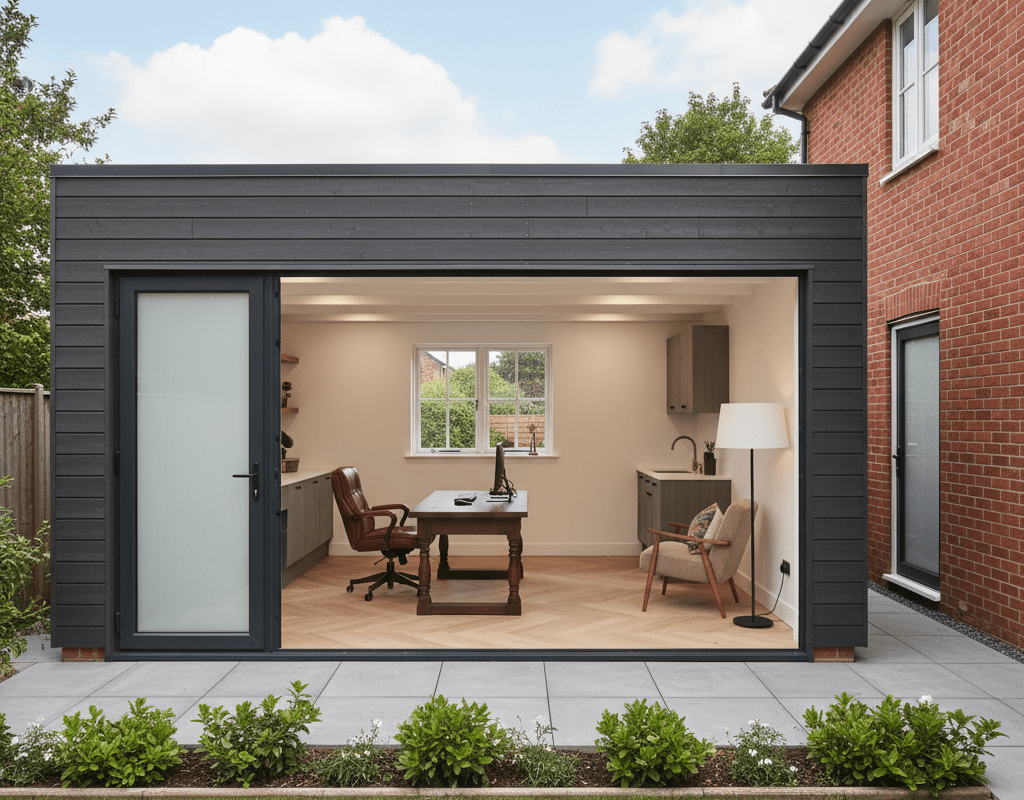


Renovating a home is a milestone, but doing so while remaining in residence is an endurance sport. In 2026, with the UK property market leaning heavily toward “improving rather than moving,” more homeowners than ever are choosing to live amidst the dust and drilling to save on rental costs and maintain oversight of their investment.
However, a “live-in” renovation requires more than just a stiff upper lip. To achieve a professional finish without losing your sanity, you need a strategy that balances construction efficiency with domestic survival. Here is the ultimate guide on how to renovate a house while living in it.
1. The “Zonal” Survival Strategy
You cannot renovate an entire house simultaneously while living in it. The secret to 2026 renovation success is Phased Construction.
-
The Sanctuary Zone: Identify one room (ideally a bedroom furthest from the work) as a “Dust-Free Sanctuary.” This room must be off-limits to builders. Use heavy-duty zipped dust door curtains to seal the entrance hermetically.
-
The Rolling Front: Work room-by-room. Complete the “messy” stages (plastering, sanding) in one area before moving the “liveable” furniture back in and starting the next.
-
Service Continuity: If you are rewiring or re-plumbing, ensure your contractor keeps a “temporary loop” for your essentials. In 2026, professional UK builders use portable manifold systems to keep water running in one bathroom while the others are ripped out.
2. Setting Up a “Survival Kitchen”
The kitchen is the heart of the home, but during a renovation, it’s often the first thing to go. You will go mad on takeaways within a week; you need a functional, temporary setup.
-
The Plug-and-Play Hub: Set up a temporary station in a utility room or dining corner. Essentials include a microwave, an induction hotplate (faster and safer than camping stoves), a kettle, and a slow cooker.
-
The Washing-Up Hack: If your sink is gone, use two large plastic tubs—one for soapy water, one for rinsing—and wash up in the bathtub or garden.
-
Batch Cooking: Before the “strip-out” begins, spend a weekend batch-cooking stews and pasta sauces. Having home-cooked meals ready to microwave is a massive morale booster.
Live-In Renovation Essential Kit
| Item | Practical Use | 2026 Upgrade |
| Noise-Cancelling Headphones | Block out SDS drills and circular saws. | Adaptive Transparency Mode |
| Industrial Air Purifier | Captures 99% of airborne plaster dust. | HEPA-13 with PM2.5 sensors |
| Storage Pods | Keeps furniture safe from scratches/dust. | On-site “Smart” containers |
| Floor Protection | Hard-wearing Correx or sticky plastic. | Recyclable anti-trip sheets |
| Temporary WiFi Extender | Keeps you connected when walls are down. | Mesh 6E Satellite units |
3. Managing the “Dust Factor”
Renovation dust is not like house dust; it is a fine, invasive powder that finds its way into your toaster, your wardrobe, and your lungs.
-
Negative Pressure: If possible, keep a window open in the room being worked on and close all other windows. This creates a slight “negative pressure” that helps pull dust outside rather than into the rest of the house.
-
Vacuuming vs. Sweeping: Never sweep dry plaster dust; it just redistributes it. Use an M-Class Industrial Vacuum (standard for UK pros in 2026) which filters fine particles effectively.
-
The “Escape Bag”: Keep a suitcase packed with essentials (clothes, toiletries, documents) in your car or a clean zone. If the water or power goes off unexpectedly, you can head to a friend’s or a hotel without digging through boxes.
4. Communication and “House Rules”
Living with tradespeople in your personal space requires clear boundaries.
-
Working Hours: Agree on a strict start and finish time (e.g., 8:00 AM to 4:30 PM). This gives you “contractor-free” evenings to decompress.
-
The “Tea Station”: Set up a dedicated kettle and biscuit stash for the builders. A well-caffeinated crew is a more considerate crew.
-
Daily De-Briefs: Spend 5 minutes every evening with your lead builder to discuss the next day’s “high-impact” tasks (like turning off the water) so you can plan your morning shower accordingly.
5. Health, Safety, and Wellbeing
A building site is inherently dangerous, especially if you have children or pets.
-
The “Croc” Rule: Never walk barefoot. Keep a pair of easy-on shoes (like Crocs) by your “Clean Zone” exit. One stray nail can derail your entire week.
-
Lead and Asbestos: If your UK home was built before 1999, have an asbestos survey before you disturb any walls or ceilings. In 2026, this is a legal and safety priority.
-
Mental Health Breaks: Schedule “renovation-free” days. Go to the cinema, visit a park, or stay with family for a weekend. Stepping away from the mess is vital for preventing “renovation burnout.”
