
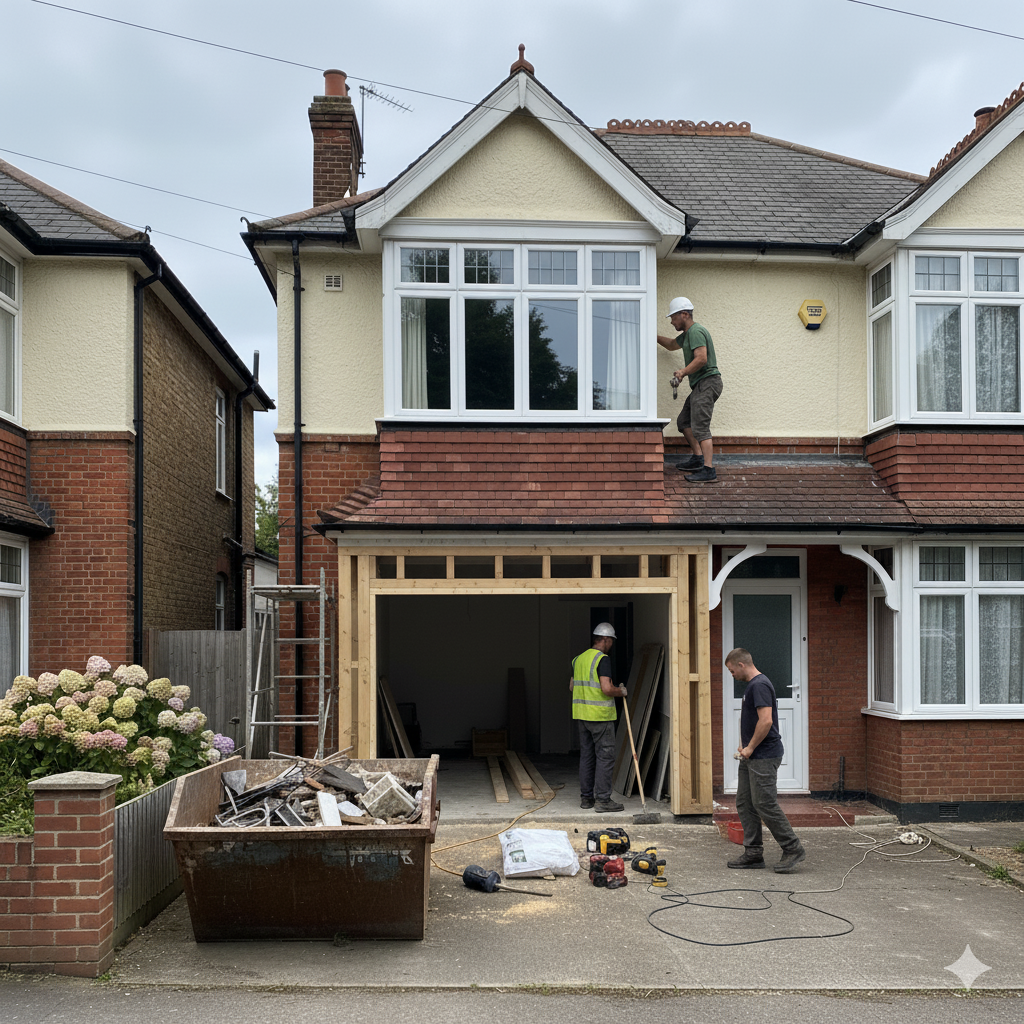




In 2026, the UK construction landscape is more complex than ever. With new building safety regulations, a heightened focus on the Future Homes Standard, and a shifting economic environment, selecting a partner for your home project requires more than a quick Google search. Whether you are planning a loft conversion in London or a bespoke new build in the Cotswolds, knowing how to choose the best building contractor in the UK is the most critical step in your renovation journey.
This guide outlines the essential vetting process for 2026 to ensure your project is delivered on time, within budget, and to a professional standard.
1. Verify 2026 Accreditations and Trade Bodies
A professional contractor should be more than just “experienced”; they should be accountable to industry standards. In the UK, specific trade bodies provide a badge of quality and dispute resolution services.
-
Federation of Master Builders (FMB): The “gold standard” for residential builders. Members must pass an on-site inspection and a regular vetting process.
-
TrustMark: A Government-endorsed scheme that signifies a contractor has been vetted for technical competence and good customer service.
-
CIOB (Chartered Institute of Building): For larger or more complex projects, look for a Chartered Building Company. This indicates a high level of professional management and ethical conduct.
-
Gas Safe & NICEIC: Essential for any contractor handling utilities. Never assume—always ask for their individual registration numbers and verify them on the official registers.
2. Navigate the New 2026 Building Regulations
As of January 2026, new regulations regarding construction product testing and thermal efficiency (Part L) have taken effect. The “best” contractor is one who is already up to speed on these changes.
-
Ask About Retrofit Expertise: If your project involves insulation, glazing, or heating, ask how they intend to meet the latest energy performance targets.
-
Compliance Handling: A reliable contractor will handle Building Control notifications and ensure you receive the final Completion Certificate—a document essential for selling your home in the future.
3. The “Three-Quote” Rule: Comparing Apples with Apples
To find the best value (which is rarely the cheapest price), you must obtain at least three detailed quotes.
-
The Quote vs. Estimate: An estimate is a rough guess; a quote is a fixed price. In 2026, avoid anyone who refuses to provide a written, itemised quote.
-
Itemised Breakdowns: Ensure the quote covers labour, materials, plant hire (like skips or scaffolding), and 20% VAT.
-
Provisional Sums: Ask for “Provisional Sums” to be clearly marked for items not yet decided (like bathroom tiles), so you can see where costs might fluctuate.
Contractor Vetting Checklist
| Step | Action | Why it Matters |
| Insurance | Verify Public & Employer’s Liability | Protects you from claims if an accident occurs on-site. |
| References | Speak to two clients from 2025/26 | Verifies current reliability and financial stability. |
| Site Visit | Visit a “live” project currently in progress | Check site cleanliness, safety, and team conduct. |
| Financials | Check Companies House status | Avoids “phoenix” companies or those with high debt. |
4. Communication and Project Management
The most common cause of “builder stress” in the UK is poor communication. The best contractors use modern tools to keep you in the loop.
-
Project Management Software: Many top-tier UK builders now use apps like Buildertrend or CoConstruct to share daily logs, photos, and schedule updates.
-
Single Point of Contact: Ensure you have a dedicated Project Manager or lead foreman. Knowing exactly who to call at 8:00 AM on a Monday is vital for your peace of mind.
5. Formalise with a 2026 Standard Contract
Never rely on a “handshake deal.” A professional relationship requires a professional contract.
-
JCT or FMB Contracts: These are standard UK industry contracts that protect both parties. They outline payment milestones, delay penalties (liquidated damages), and how to handle “variations” (changes to the plan).
-
Payment Schedules: A reputable builder will never ask for 100% upfront. Expect a schedule based on milestones (e.g., 10% on start, 20% at wall-plate, etc.).
-
The Retention Fund: Ensure your contract includes a 5% retention fee, held back for 3–6 months after completion to ensure any “snags” are fixed promptly.
