




Flooring is the literal foundation of your interior design. In 2026, the UK flooring market has moved away from the “cool grey” era, embracing warmth, texture, and high-performance durability. With house prices remaining a primary concern for British homeowners, the right floor is no longer just a surface—it’s a strategic investment.
Whether you’re renovating a Victorian terrace or modernising a suburban semi, choosing the right material requires balancing aesthetics with the practical demands of British life (read: muddy boots and unpredictable humidity). This guide breaks down how to choose the right flooring for your home in the current 2026 climate.
1. 2026 Design Trend: The “Warm Minimalist” Shift
The biggest shift this year is the death of the “grey-wash” floor. Homeowners are now opting for Warm Neutrals that bring life into the home.
-
Tones to Watch: Honey oak, soft caramel, smoked chestnut, and muted terracotta are the leading colours for 2026.
-
Texture Over Shine: High-gloss finishes are being replaced by ultra-matte and tactile surfaces. Brushed or hand-scraped finishes are popular because they feel organic underfoot and are far better at hiding everyday dust and scratches.
-
The Seamless Flow: For open-plan living, the trend is using wide planks (7–9 inches) or large-format tiles to reduce grout lines and seams, making rooms feel significantly more expansive.
2. Room-by-Room Specification
Not every material is suited to every corner of a UK home. Matching the “performance” of a floor to its “purpose” is the secret to longevity.
Kitchens & Utility Rooms: The Waterproof Era
In 2026, Rigid Core LVT (SPC) is the runaway winner for kitchens. It is 100% waterproof and incredibly stable, meaning it won’t warp when the washing machine leaks or the kettle steams.
-
Pro Tip: Look for “Embossed-in-Register” (EIR) textures that align the grain of the print with the physical texture for a hyper-realistic wood look.
Living Rooms: Engineered Wood for ROI
If you want to boost your property value, engineered wood remains the gold standard. It offers the authentic warmth of real oak but with a layered construction that handles the UK’s fluctuating central heating better than solid wood.
-
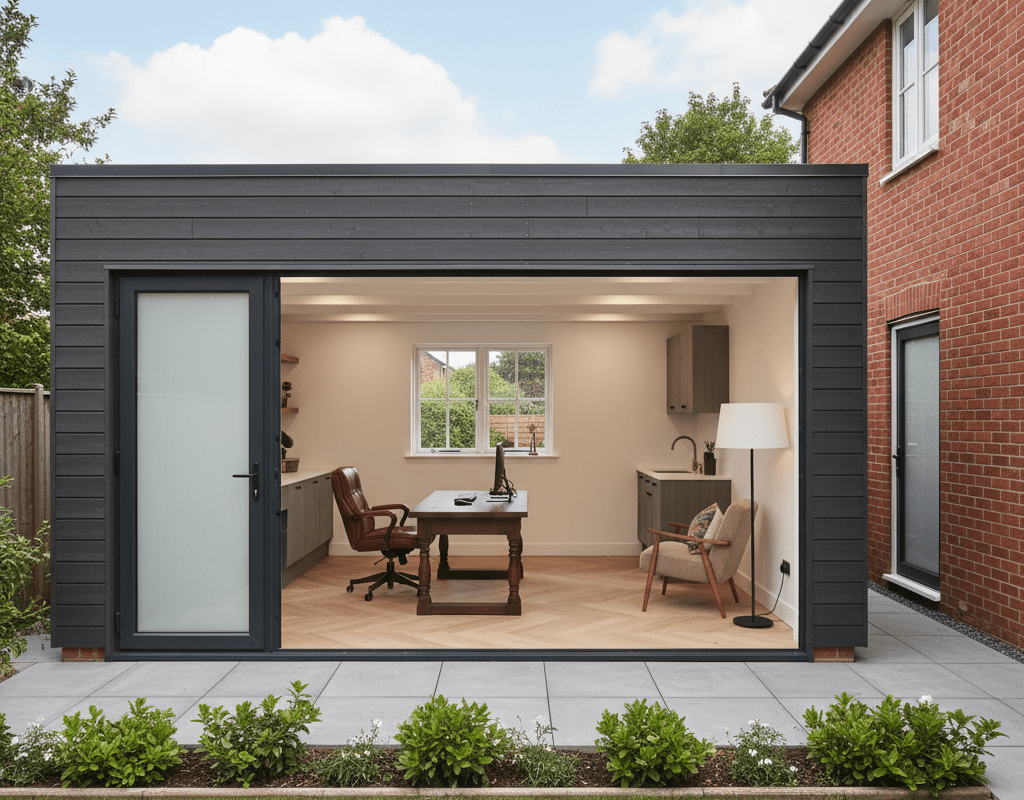
Pattern Play: Herringbone and Chevron layouts have become “modern classics.” They add a sense of craftsmanship that can increase a property’s perceived value by up to 5%.
Bedrooms: The Resurgence of Natural Wool
While hard floors dominate downstairs, natural wool carpets are seeing a massive resurgence in bedrooms.
-
Why? Wool is naturally insulating, sustainable, and offers superior acoustic performance—perfect for quiet, restful nights in a hybrid-working household.
3. Comparing the 2026 Contenders
| Flooring Type | 2026 UK Cost (per m²) | Durability | Underfloor Heating? |
| Laminate | £15 – £35 | High (Scratch-proof) | Yes (Specific types) |
| Luxury Vinyl (LVT/SPC) | £30 – £55 | Outstanding (Waterproof) | Excellent |
| Engineered Oak | £50 – £95 | Medium (Can be sanded) | Yes (Highly stable) |
| Porcelain Tiles | £35 – £75 | Lifelong (Moisture-proof) | Excellent |
| Wool Carpet | £25 – £60 | Medium (Softness) | No (Acts as insulator) |
4. Sustainability & Eco-Conscious Choices
British consumers are increasingly asking about the “lifecycle cost” of their floors. In 2026, sustainable flooring is a major search trend.
-
Cork & Bamboo: Both are rapidly renewable and offer unique textures. Cork is particularly prized in 2026 for its “wellness” benefits, providing natural sound dampening and a cushioned feel that’s kind to joints.
-
Recycled Content: Many LVT and laminate brands now offer “circular” products made with up to 50% recycled materials and lower VOC (Volatile Organic Compound) emissions for better indoor air quality.
5. Technical Check: Subfloors & UFH
Before you buy, you must consider the “hidden” layer.
-
Underfloor Heating (UFH): If you are moving to a heat pump system, ensure your flooring has a low Thermal Resistance (Tog). Porcelain tiles and LVT are the most efficient conductors.
-
Subfloor Prep: Older UK homes often have uneven floorboards or damp concrete. Always factor in the cost of levelling compound or a Damp Proof Membrane (DPM) to prevent your new floor from failing prematurely.
