


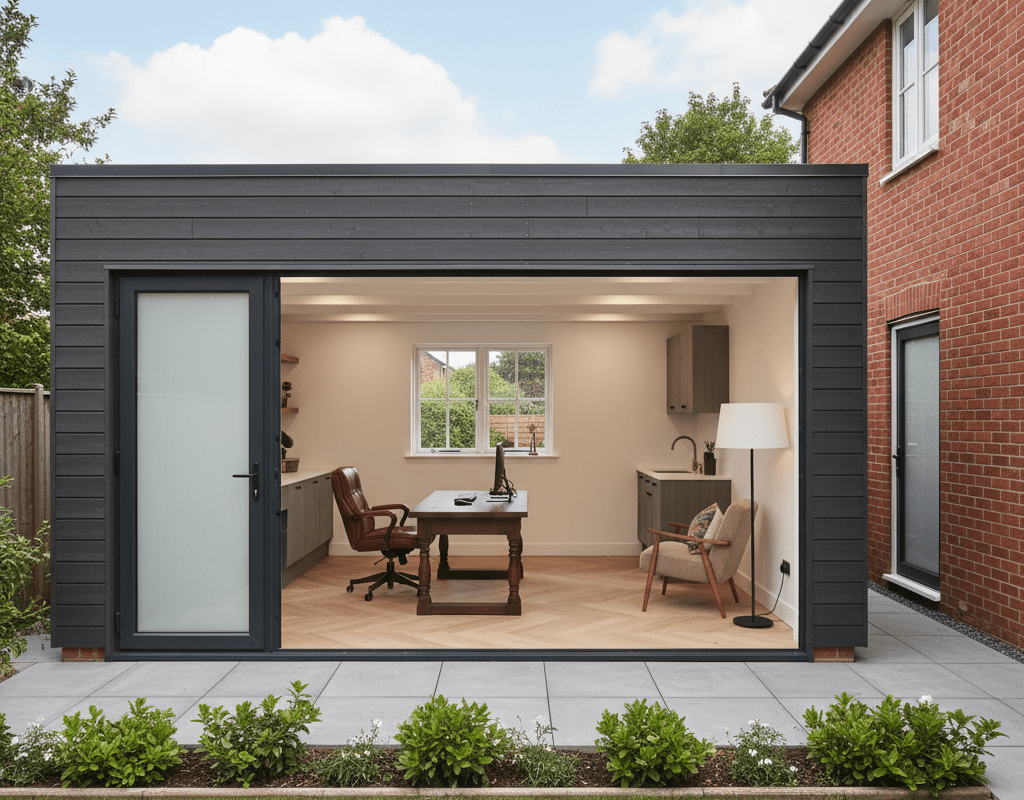


Flooring is the literal foundation of your interior design. It’s the first thing you touch in the morning and the surface that takes the most punishment from daily life. In 2026, the UK flooring market has moved away from the “grey-wash” era, embracing warmth, texture, and high-performance durability.
Choosing the right flooring isn’t just about what looks good in a showroom; it’s about matching a material’s properties to your household’s specific needs—be it damp-proof surfaces for a kitchen or soft, acoustic comfort for a home office. This guide breaks down the best flooring types for UK homes and how to choose the winner for your space.
1. Living Rooms & Bedrooms: The Comfort Zone
In these spaces, warmth and aesthetics take priority. The 2026 trend is “Warm Neutrals,” with honey, caramel, and mid-oak tones replacing cool greys.
-
Engineered Wood Flooring: The “gold standard” for living areas. It features a real wood veneer atop a stable core, making it less prone to warping than solid wood. It’s compatible with underfloor heating and can often be sanded back once or twice to refresh its look.
-
Plush Carpets: Carpet is making a massive comeback for bedrooms. Look for wool-rich blends or recycled-fibre options that offer “nostalgic” comfort and superior thermal insulation.
-
Best For: Adding value and a sense of luxury.
2. Kitchens, Bathrooms & Hallways: The Durability Test
These are “high-traffic” and “wet” areas. You need a floor that can “laugh in the face of spilled drinks,” mud, and heavy footfall.
-
Luxury Vinyl Tile (LVT) & Rigid Core (SPC): This is the fastest-growing category in the UK. Modern LVT uses high-definition printing to perfectly mimic oak or stone. The Rigid Core (SPC) variant is 100% waterproof and incredibly stable, making it ideal for the UK’s fluctuating humidity.
-
Large-Format Porcelain Tiles: A major 2026 trend. Using oversized tiles (60x60cm or larger) reduces grout lines, creating a seamless, expansive look that makes small kitchens appear much larger.
-
Best For: Households with pets, children, and a busy lifestyle.
3. The Pattern Play: Herringbone & Chevron
If you want to make a design statement, the layout is as important as the material.
-
Herringbone Oak: Once reserved for stately homes, herringbone is now accessible in engineered wood, LVT, and even laminate. It adds a “bespoke” feel and a sense of rhythm to hallways and open-plan dining areas.
-
Chevron: Similar to herringbone but cut at a 45-degree angle to create a continuous “V” shape. It’s a sharper, more contemporary look that works beautifully in formal reception rooms.
2026 Flooring Comparison Table (UK Averages)
| Flooring Type | Material Cost (per m²) | Durability | Best Room |
| Laminate | £15 – £30 | High (Scratch-resistant) | Playrooms, Home Offices |
| Luxury Vinyl (LVT) | £25 – £45 | Excellent (Waterproof) | Kitchens, Bathrooms |
| Engineered Wood | £45 – £85 | Medium (Natural feel) | Lounges, Master Bedrooms |
| Porcelain Tiles | £30 – £70 | Outstanding (Lifelong) | Hallways, Utility Rooms |
| Wool Carpet | £25 – £50 | Medium (Softness) | Bedrooms, Snugs |
4. Sustainability: Eco-Friendly Underfoot
Environmental impact is now a top priority for British renovators. In 2026, the shift toward renewable and reclaimed materials is mainstream.
-
Cork Flooring: Naturally antimicrobial and incredibly soft to walk on. It’s a “quiet” floor, making it perfect for second-floor flats or nurseries.
-
Sustainably Sourced Hardwood: Look for FSC-certified labels to ensure your wood isn’t contributing to deforestation.
-
Bamboo: A fast-growing grass that provides a harder surface than many traditional hardwoods.
5. Underfloor Heating (UFH) Compatibility
As the UK transitions to heat pumps, UFH is becoming a standard feature. Not all floors are equal here:
-
Top Performers: LVT and Porcelain tiles conduct heat exceptionally well.
-
Good: Engineered wood (ensure it is specified for UFH use).
-
Avoid: Thick solid wood or high-pile carpets with a heavy tog rating, as they act as an insulator, trapping the heat underneath.
