
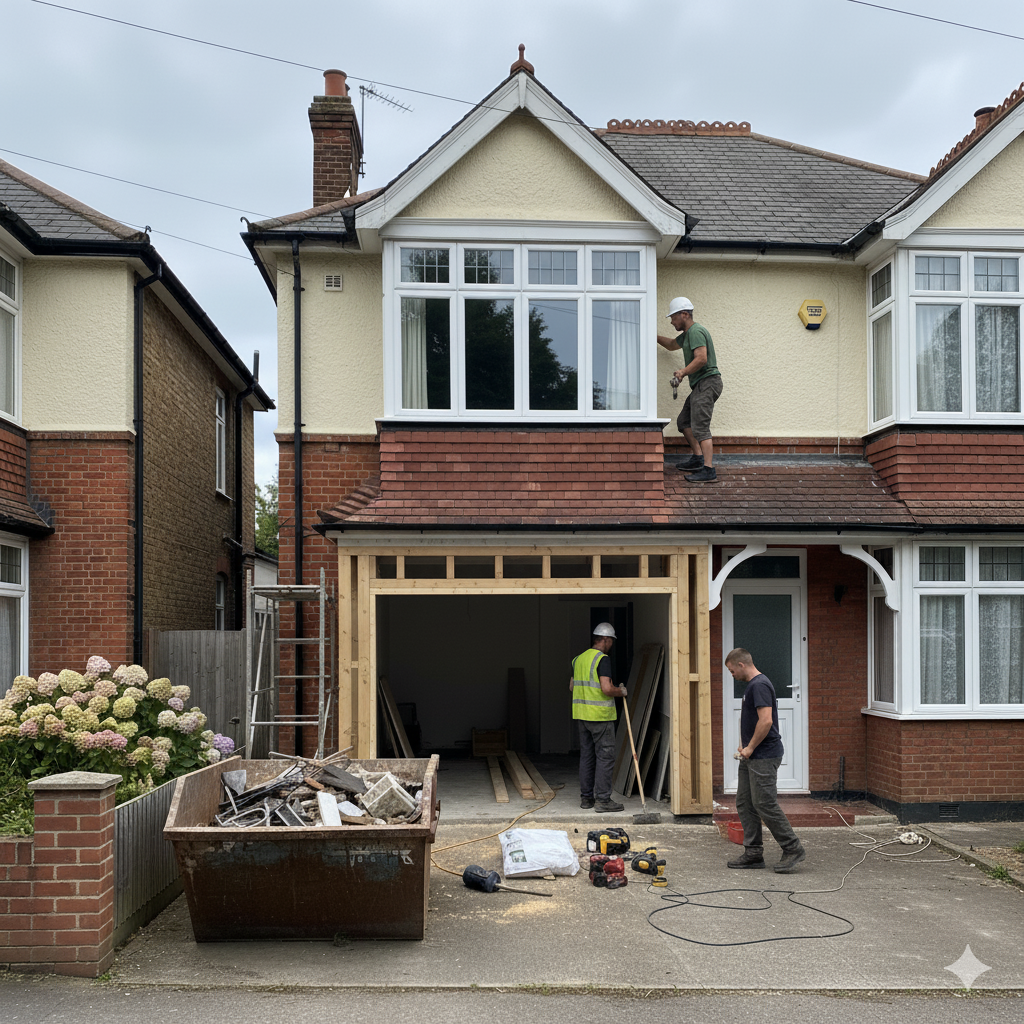

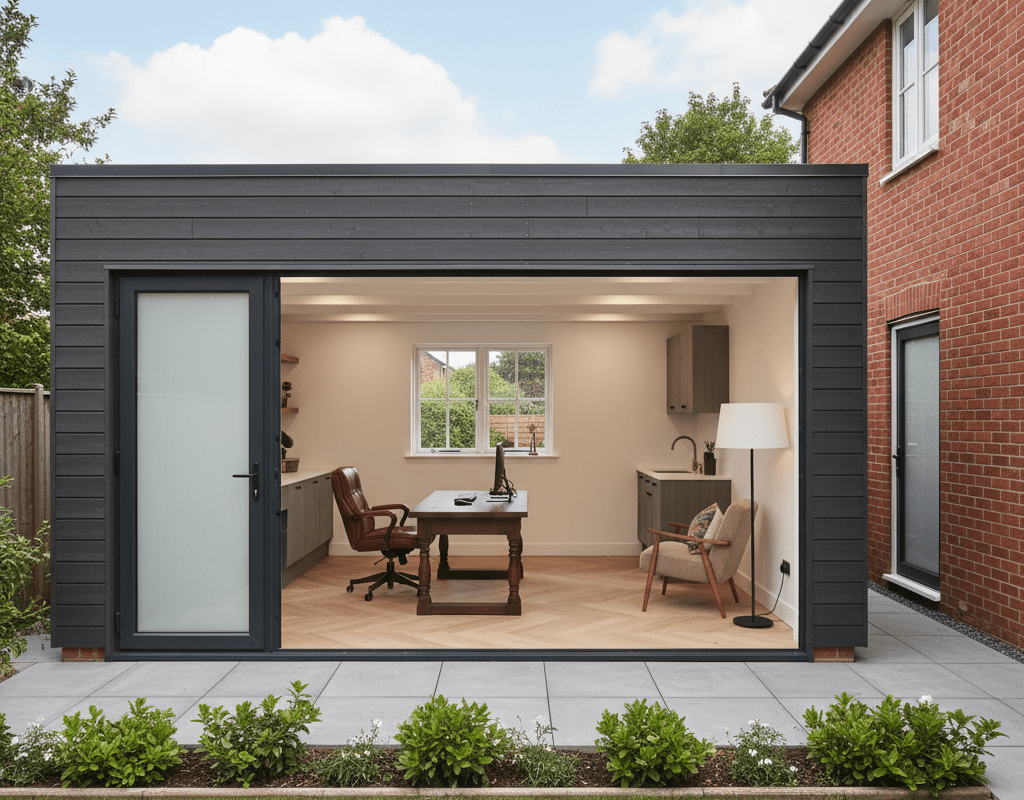


Taking on a large-scale building project is a significant undertaking, both emotionally and financially. In the current UK property market, where moving costs and stamp duty remain high, many homeowners are choosing to “improve rather than move.” However, without a watertight strategy, a dream project can quickly spiral into a series of expensive mistakes.
Learning how to plan a major home renovation the right way is the difference between a high-yield investment and a stressful money pit. This guide outlines the essential steps—from budgeting to building regs—to ensure your 2026 renovation is a resounding success.
1. Define Your Objectives and “Feasibility”
Every successful renovation starts with a clear “Scope of Works.” Are you extending to add value, or are you reconfiguring to accommodate a growing family?
-
Conduct a Feasibility Study: Before falling in love with a design, check if it’s possible. Does your local authority have strict heritage rules? Are there shared drains where you want to build your extension?
-
The “Value Ceiling”: Research your local area on Rightmove or Zoopla. Ensure the cost of your renovation won’t push your property price significantly above the “ceiling price” for your street, as this could limit your future ROI.
2. Setting a 2026 Budget and Contingency
In 2026, material costs and labour rates in the UK have stabilised but remain high. Accurate financial planning is non-negotiable.
-
The 20% Buffer: Always include a 20% contingency fund. In older British homes, issues like “blown” plaster, outdated wiring, or damp often only come to light once the strip-out begins.
-
VAT Considerations: Remember that most renovation work is subject to 20% VAT. When getting quotes from builders, always check if the figure provided is inclusive or exclusive of tax.
-
Professional Fees: Factor in the cost of architects (typically 7–15% of the build cost), structural engineers, and building control surveyors.
3. Assembling Your Professional Team
A major renovation is rarely a DIY job. To get a high-end finish that meets UK building standards, you need the right experts.
-
Architects and Designers: They don’t just provide drawings; they maximise light and space while navigating complex planning laws.
-
Structural Engineers: Essential if you are removing load-bearing walls, installing RSJs (steel beams), or digging new foundations.
-
The Main Contractor: Don’t just settle for the first person who can start. Use the Federation of Master Builders (FMB) or TrustMark to find vetted professionals. Always ask for recent references from projects completed within the last 12 months.
4. Navigating the Legalities: Planning and Building Regs
One of the most critical parts of how to plan a major home renovation the right way is ensuring everything is legal.
-
Permitted Development (PD) vs. Planning Permission: Many rear extensions and loft conversions can be done under PD, but you should always apply for a Certificate of Lawfulness.
-
The Future Homes Standard: If your renovation involves new heating or windows, ensure they comply with the 2026 thermal efficiency targets.
-
Party Wall Agreements: If you are building on or near a boundary, you must serve a Party Wall Notice to your neighbours at least two months before work starts. Failing to do this can legally halt your project.
5. Creating a Detailed Schedule of Works
A “Schedule of Works” is a chronological list of every task involved in the build. This prevents “trades” from tripping over each other and ensures materials arrive exactly when needed.
Typical Order of Works:
-
Site Preparation: Scaffolding and demolition.
-
Structural Work: Foundations, steels, and roof repairs.
-
First Fix: Plumbing, electrical wiring, and internal stud walls.
-
Plastering & Drying: Allow at least 2 weeks (longer in winter).
-
Second Fix: Fitting kitchens, bathrooms, and light switches.
-
Snagging: The final “fine-tuning” before the final payment.
Renovation Planning Checklist
| Phase | Key Task | Importance |
| Pre-Build | Structural Survey & Drains Check | Critical for Budgeting |
| Legal | Planning & Party Wall Notices | Essential for Compliance |
| Design | Electrical & Lighting Plan | Often overlooked; costly to change |
| Management | Weekly Site Meetings | Keeps project on schedule |
6. Sustainable and “Future-Proof” Upgrades
In 2026, a “modern” renovation must include eco-conscious elements. This is no longer just about the environment; it’s about future resale value.
-
Retrofit Insulation: While the walls are open, upgrade your insulation to modern standards.
-
Heat Pump Readiness: Even if you aren’t installing one now, ensure your pipework is compatible with low-temperature heating systems.
-
Smart Infrastructure: Install hardwired internet (Cat6) to every room to support the modern hybrid working lifestyle.
