

In the current UK market, moving house is often more expensive than expanding. With 2026’s Planning & Infrastructure Bill streamlining approvals for small-scale extensions, there has never been a better time to “improve rather than move.”
1. The “Broken-Plan” Kitchen Hub
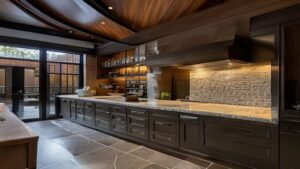
The era of the completely open-plan “echo chamber” is over. For families, the 2026 trend is Broken-Plan living. This involves keeping the spacious feel of an open layout but using internal “glazing” (like Crittall-style doors) or half-walls to create zones.
-
Why it works: It allows parents to cook while keeping an eye on younger children in the play zone, but provides a physical sound barrier when the teenagers want to watch a film in the “snug.”
-
The 2026 Touch: Use Acoustic Slat Panelling on walls to dampen the noise of a busy family household—a must for those who also work from home.
2. The “Suite” Attic Conversion
If you have a growing family, the loft is your most valuable untapped asset. In 2026, a “Dormer-Free” loft conversion (using high-performance roof lights) is a cost-effective way to add a bedroom without complex structural changes.
-
The Family Strategy: Move the parents to a new “Master Suite” in the attic. This frees up the original larger bedrooms on the first floor for children, preventing the “sibling rivalry” that comes with unequal room sizes.
-
Compliance: Ensure your conversion meets the 2026 Part L Building Regs, requiring a U-value of $0.11 W/m²K$ for roofs to keep the space cool in summer and warm in winter.
3. The “Service” Extension: Boot Rooms & Sculleries
As a family grows, so does the “stuff.” 2026 is the year of the Service Room. Small side-return extensions are being used not for more living space, but for high-functioning utility areas.
-
The Boot Room: A dedicated entry point for muddy dogs and school bags prevents clutter from migrating into the main living areas.
-
The “Hidden” Laundry: Moving the washing machine and tumble dryer into a sound-proofed utility cupboard or a small side extension is a life-changer for open-plan living.
Family ROI Matrix (UK 2026)
| Project | Est. Cost (Mid-Range) | Value Added | Best For… |
| Loft Conversion | £40,000 – £60,000 | 20% | Creating a “Parents’ Sanctuary” |
| Garden Room | £15,000 – £25,000 | 5% – 10% | Teenager dens or Home Offices |
| Side-Return Extension | £30,000 – £50,000 | 12% | Expanding a cramped kitchen |
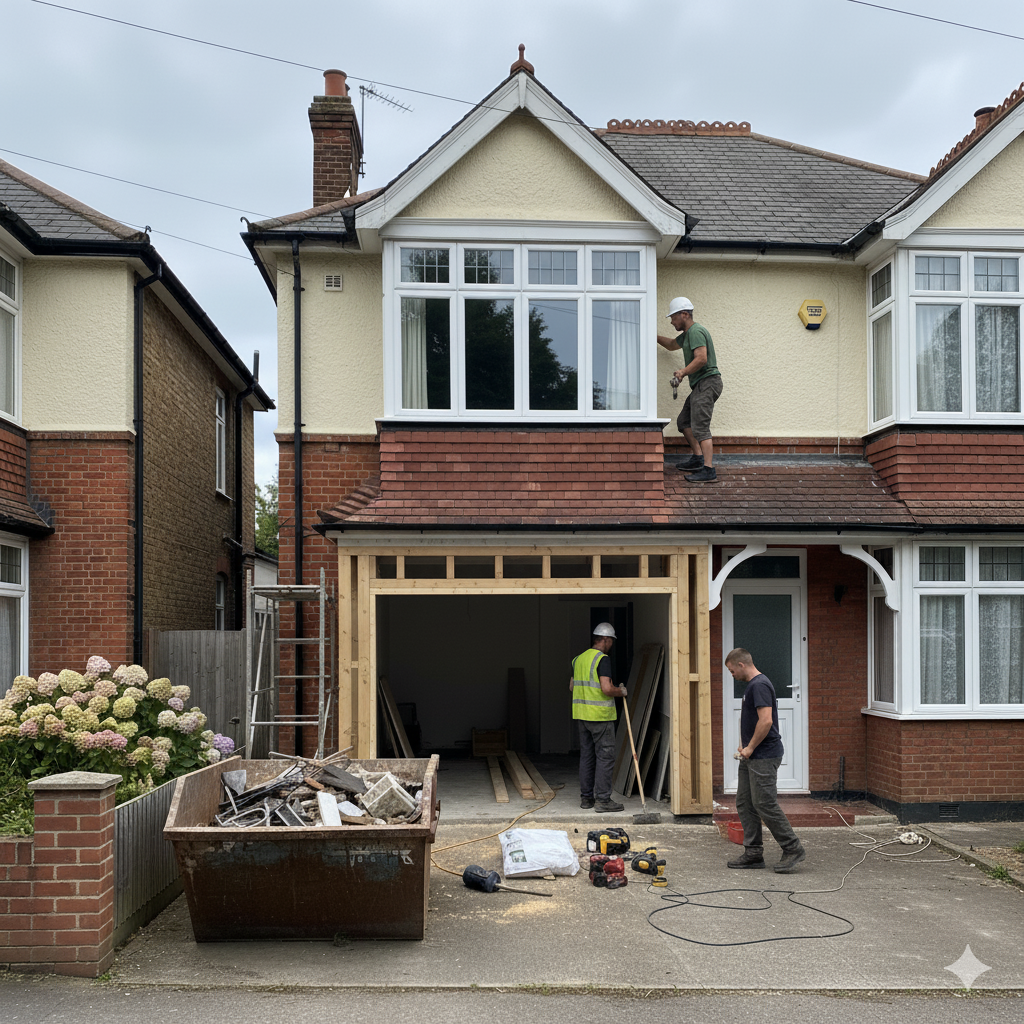
| Garage Conversion | £12,000 – £20,000 | 10% | Playrooms or Guest Bedrooms |
4. The High-Performance Garden Room
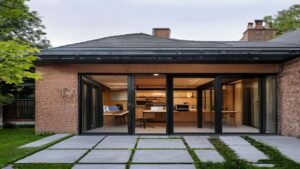
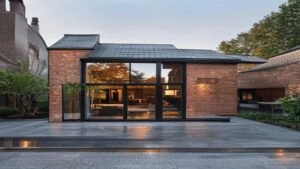
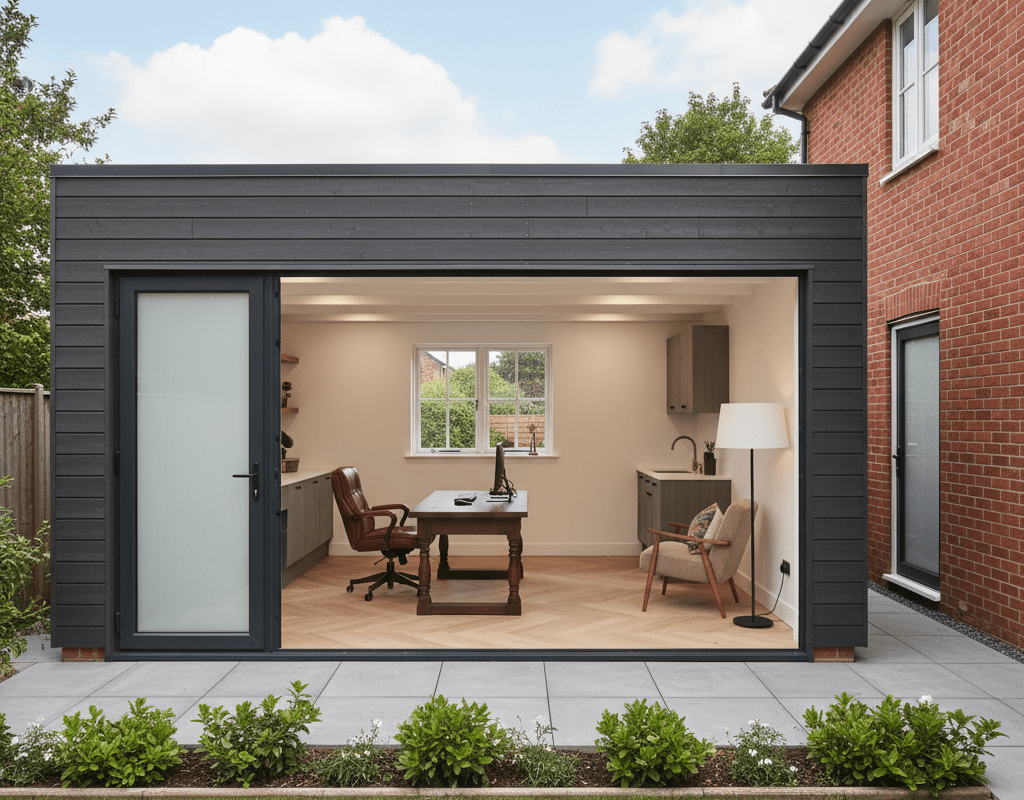
If your garden allows it, a standalone garden room is often the fastest way to add a room (usually 4–6 weeks). In 2026, these are no longer “fancy sheds”—they are fully insulated, year-round living spaces.
-
The Teenager Den: Providing older children with a separate space for gaming or socialising is the ultimate way to maintain peace in the main house.
-
Planning Tip: Most garden rooms fall under Permitted Development, meaning you won’t need full planning permission as long as they stay within certain height and size limits.
5. Modernising the “Sixth Wall” and Lighting
When you can’t build out, look up. Families are increasingly using “Smart Lighting” to define spaces.
-
Circadian Lighting: In 2026, families are installing smart lighting that mimics the natural day cycle. This helps toddlers (and parents) settle into a sleep routine more easily.
-
Ceiling Interest: Using timber panelling or bold colours on the ceiling (the “sixth wall”) can make a child’s bedroom feel magical and more spacious without changing the footprint.
6. Future-Proofing with “Smart” Safety
For a growing family, peace of mind is the ultimate luxury. 2026 home improvements are heavily focused on Integrated Security.
-
Keyless Entry: Smart front doors with fingerprint recognition mean no more “lost key” emergencies for children coming home from school.
-
Environmental Sensors: Modern renovations now include smart leak detectors and air-quality monitors (Part F compliant) to ensure the home remains a healthy environment for developing lungs.
Final Thoughts
The best home improvement projects for growing families are those that solve today’s space problems while anticipating tomorrow’s needs. Whether it’s a “Broken-Plan” kitchen that controls noise or a loft conversion that grants parents much-needed privacy, the key is to focus on flexibility and flow. In 2026, the most successful family home is one that can change its “zones” as fast as the children grow.