
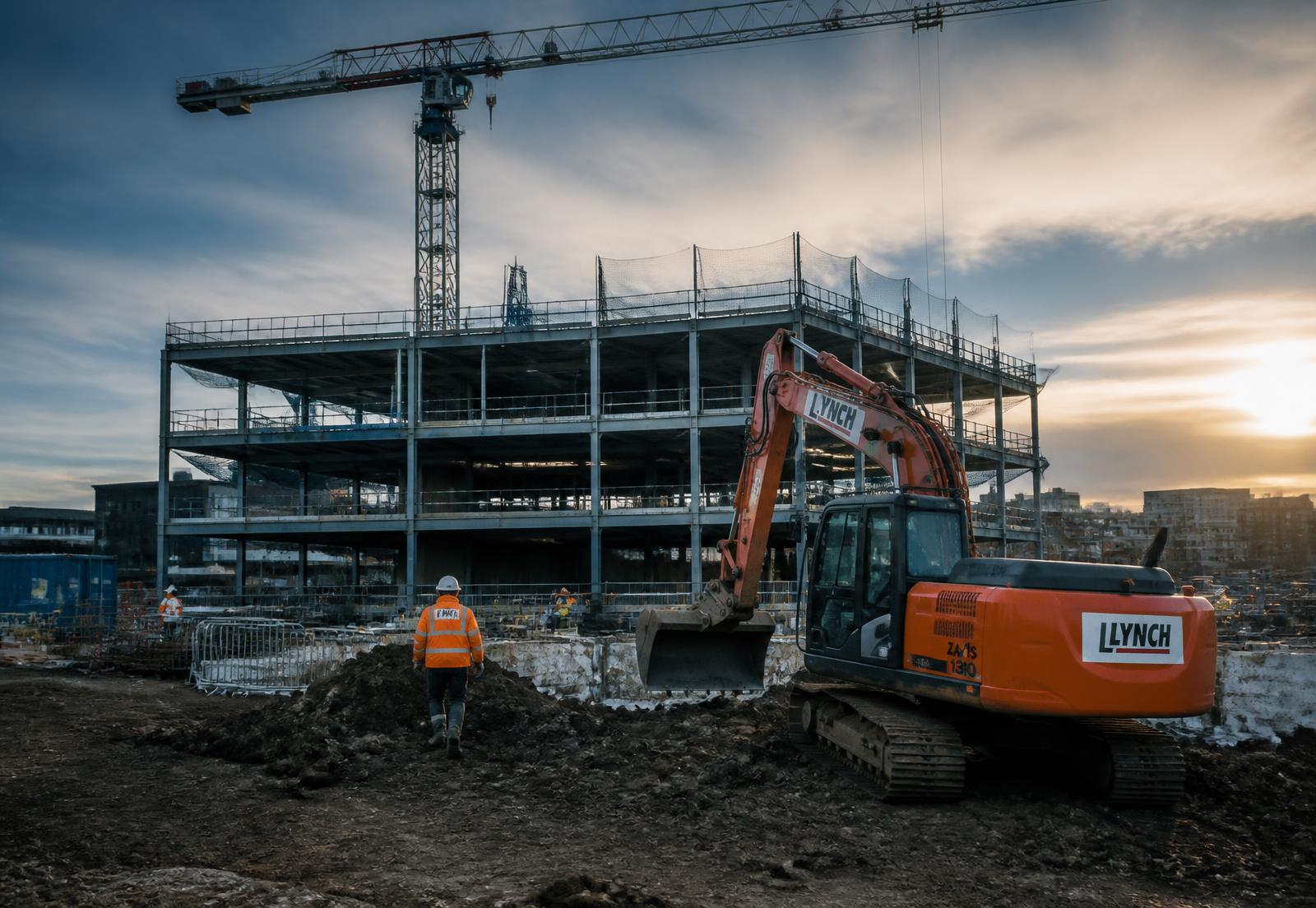
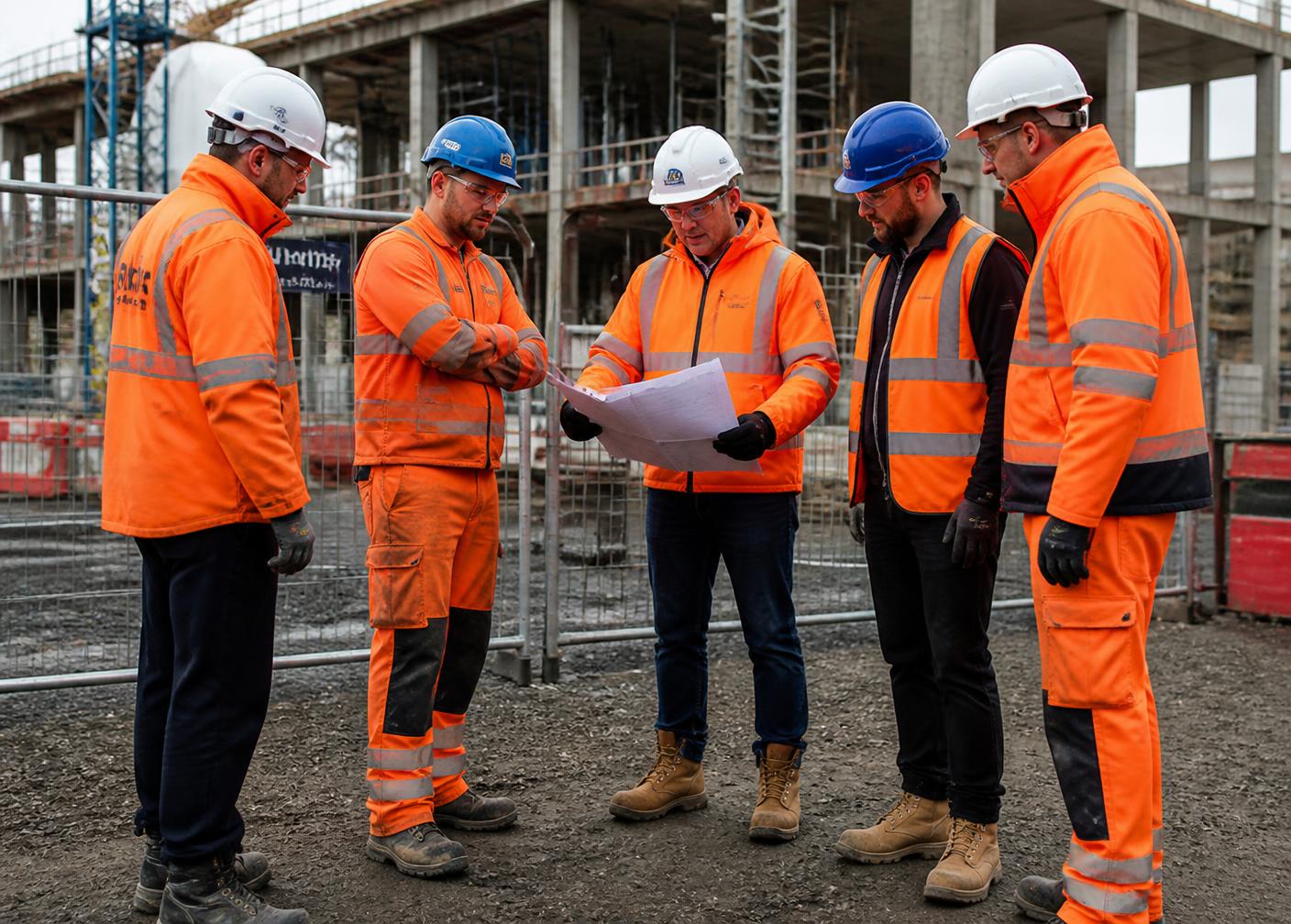
Main Contractors
Support multiple construction packages with reliable labour and specialist services, coordinated against your programme.
- Groundworks
- Drylining
- Manpower Supply
Inhire Ltd • Commercial Services
Inhire Ltd is a multi-trade partner for UK main contractors. From groundworks to skilled manpower, we deliver coordinated construction packages with precision.
Streamline your site operations. We eliminate the friction of multiple subcontractors by providing a single, accountable point of contact for complex trade packages.
Professional commercial service delivery.
Qualified construction personnel.
Project-specific documentation.
Multiple services under one supplier.
Supporting projects across the UK.
Why Inhire
Inhire provides coordinated construction, infrastructure and manpower services to commercial clients. Instead of managing multiple subcontractors for different packages, clients can work with one experienced supplier across multiple disciplines.
Simplify project coordination with one reliable supplier.
Support individual work packages or larger multi-trade requirements.
Professional delivery aligned with project programmes, compliance and site requirements.
01 / Capabilities
Specialist capabilities supporting construction, infrastructure and commercial development projects.
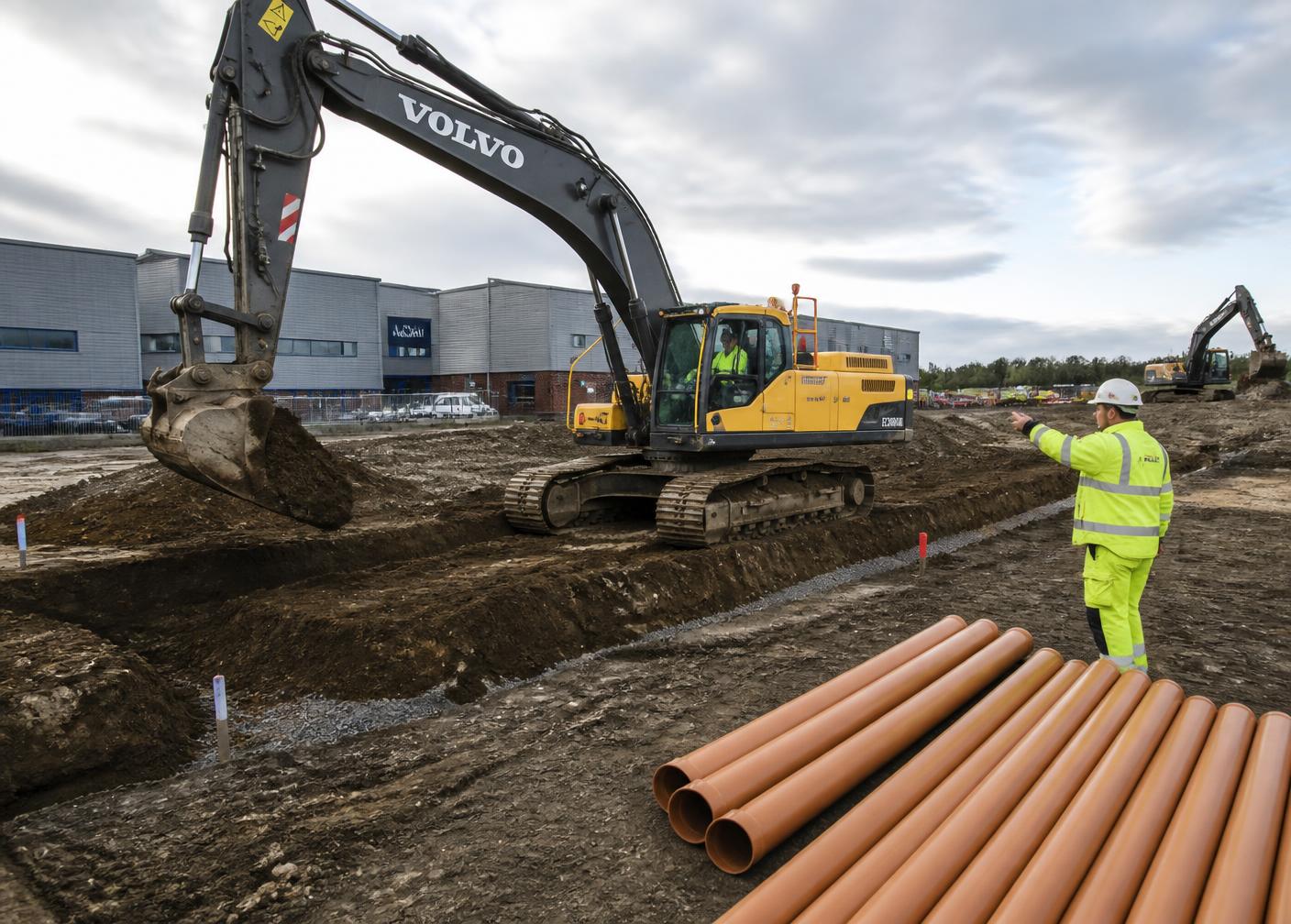
Full-service groundworks support from site clearance and excavation through foundations, drainage, sub-base preparation and reinstatement.
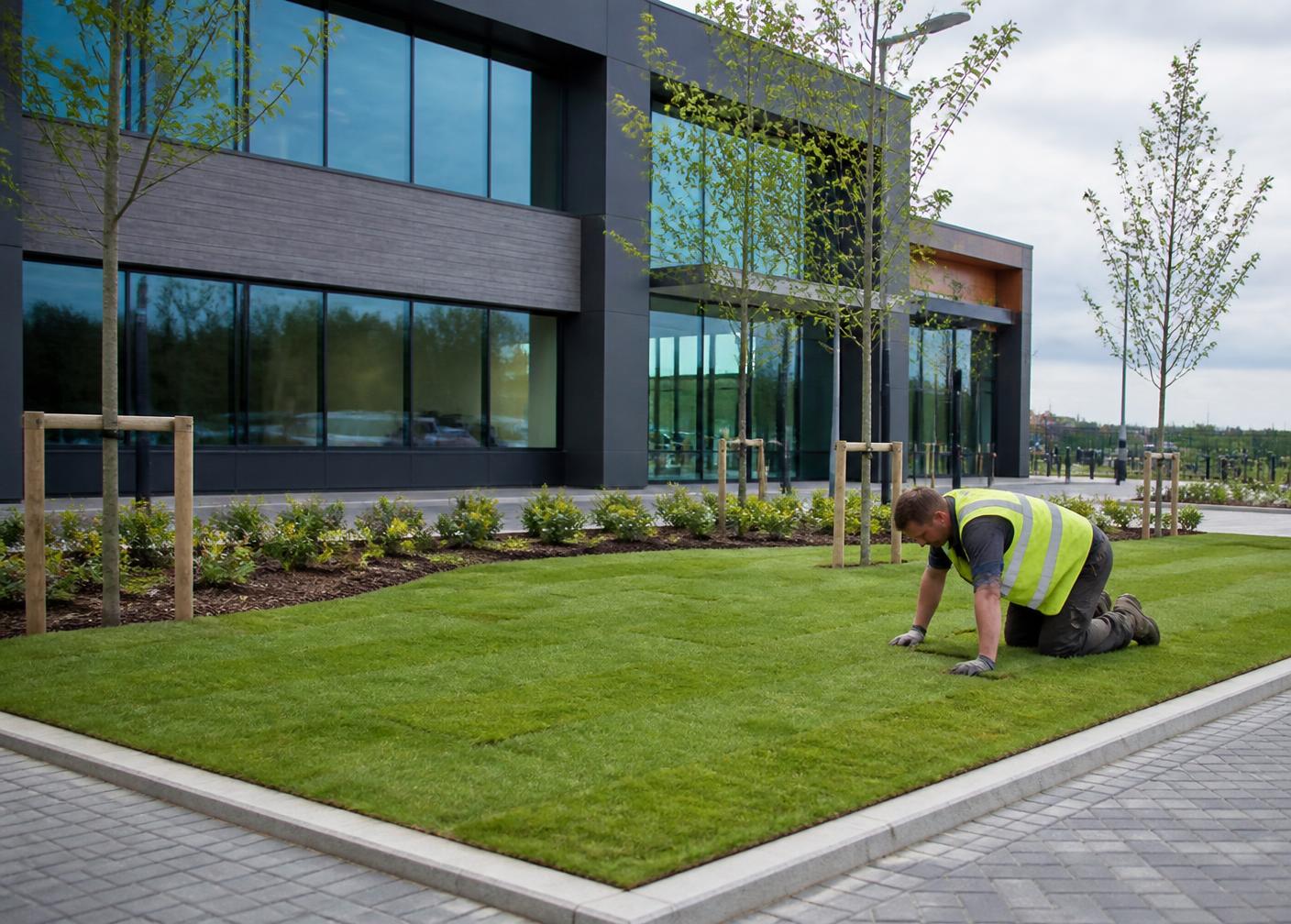
Explore GroundworksCommercial and grounds maintenance landscaping for developers, housing associations, commercial sites and local authorities.
Explore LandscapingInterior fit-out capability for commercial, retail and office developments, working alongside main contractors on new build and refurbishment projects.
Explore DryliningUtilities infrastructure works for larger commercial and development sites, coordinated directly with statutory undertakers.
Explore UtilitiesFlexible, compliant labour supply for construction, groundworks, drylining and utilities projects – scalable crew sizes with rapid mobilisation.
Explore ManpowerCombine multiple disciplines under a single supplier and reduce subcontractor coordination across your programme.
Built Around You
A commercial supplier structured around programme, compliance and coordination — not one-off jobs.
Multiple capabilities under one contractor.
Built around the needs of professional construction clients.
Flexible labour and specialist teams according to project requirements.
Professional documentation, site requirements and workforce credentials.
One point of contact across multiple work packages.
Work planned around programme, scope and site requirements.
Sectors
Work packages structured for main contractors, developers, facilities managers, public sector bodies and housing providers.
Support multiple construction packages with reliable labour and specialist services, coordinated against your programme.
Groundworks, infrastructure, landscaping and finishing support for developments from enabling works to handover.
Ongoing maintenance, external works and labour requirements across managed commercial estates and portfolios.
Projects
Commercial packages delivered across London and the South East, from groundworks and utilities to landscaping and fit-out.
Commercial DevelopmentDagenham, London
Enabling works and drainage package for a 120,000 sq ft logistics facility in East London, delivered on programme ahead of main build.
External WorksHammersmith, London
External works and courtyard landscaping for a refurbished office campus in West London, creating usable amenity space for tenants.
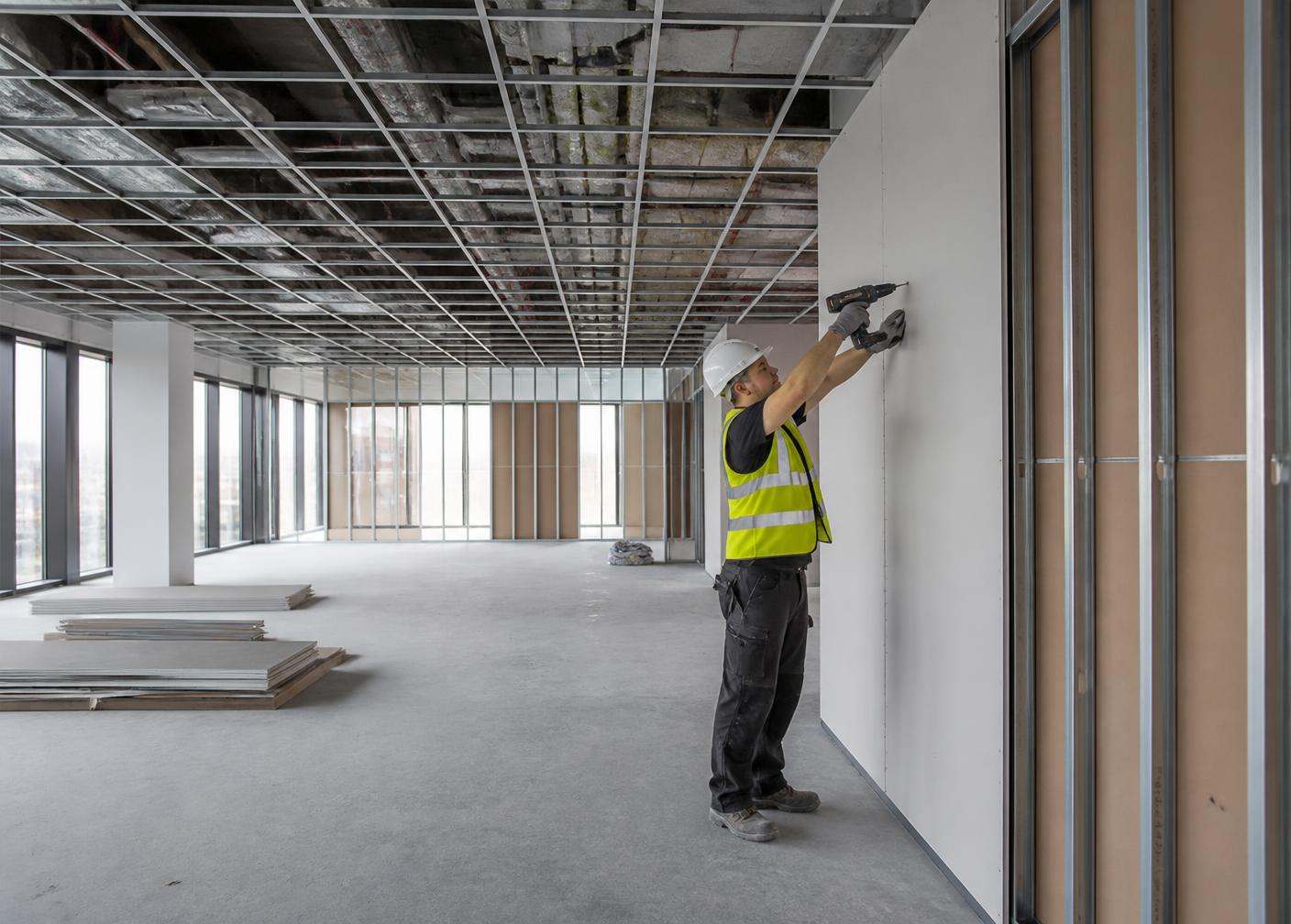 Interior Fit-Out
Shoreditch, London
Cat A fit-out package including drylining, partitioning and suspended ceilings for a six-floor office building in East London.
Compliance
Insurance, workforce credentials, RAMS and site documentation provided in line with project and client requirements.
Inhire Ltd • Commercial Services
Send us your scope, drawings or workforce requirements and our team will review your enquiry.