


In the competitive UK property market, the difference between a house that sits on the market and one that sells at a premium often comes down to the final layer: the interior finishes. High-quality finishes do more than just “look good”; they signal to a potential buyer that the property has been maintained with care and precision.
As we move through 2026, the trend has shifted away from sterile minimalism towards “Warm Modernism”—a style that prioritises texture, craftsmanship, and longevity. Here is how to strategically use high-quality interior finishes to add significant value to your home.
1. The Power of “Tactile” Walls
Standard matt emulsion is no longer the benchmark for a premium home. In 2026, buyers are looking for depth and character on their walls.
-
Specialist Plasters: Finishes like polished plaster (Venetian), limewash, or microcement create a subtle, organic movement that standard paint cannot replicate.
-
Feature Textures: Grasscloth wallpapers or fluted timber panelling (slat walls) in entrance halls create an immediate sense of luxury and “warmth” upon entry.
-
Colour Drenching: A high-value trend where walls, woodwork, and radiators are painted in the same sophisticated hue (think deep moss greens or ” Mocha Mousse”) to make a room feel expansive and professionally designed.
2. Joinery: The “Bespoke” Premium
Off-the-shelf furniture devalues a room, whereas built-in joinery makes it feel architectural.
-
Media Walls: A well-executed media wall with integrated lighting and hidden cabling is now a standard expectation for modern UK living rooms.
-
Alcove Storage: In period properties, bespoke cabinetry that sits flush within chimney alcoves maximises space and looks far more expensive than freestanding units.
-
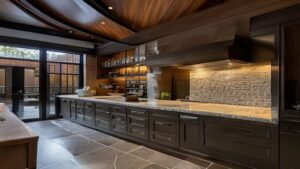
Kitchen “Furniture”: Moving away from “fitted” looks, the 2026 kitchen features tall, seamless cabinetry and “pocket doors” that hide appliances, allowing the kitchen to feel like an extension of the living space.
3. Hardware and “Touchpoints”
You can judge the quality of a renovation by the things you touch every day. Upgrading your hardware is one of the highest ROI (Return on Investment) tasks you can perform.
-
Solid Metals: Replace plastic or cheap chrome switches with brushed brass, antique bronze, or knurled steel.
-
Weighty Handles: Heavy, solid-core door handles and kitchen pulls provide a tactile sense of quality that buyers associate with “high-end” builds.
-
Internal Doors: Replacing hollow-core “contractor” doors with solid oak or glazed “Crittall-style” internal doors instantly elevates the entire floor.
4. Flooring: Beyond the “Grey Laminate”
The era of grey laminate is firmly over. Modern value is found in natural, sustainable materials.
-
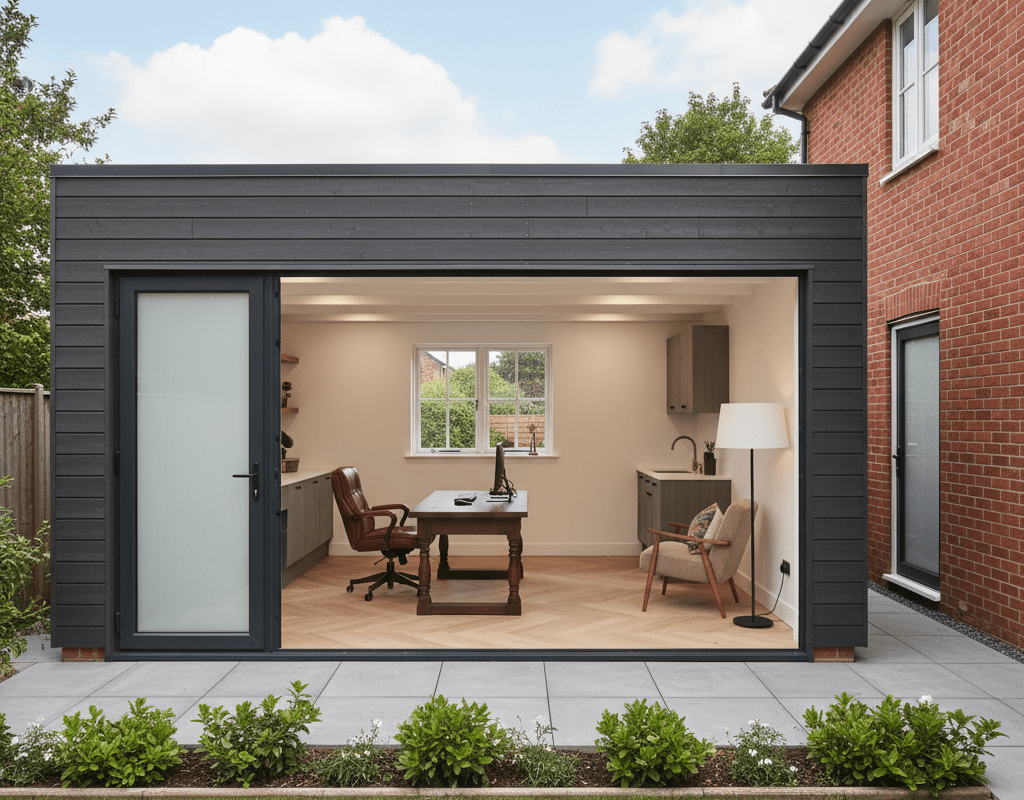
Engineered Oak: Wide-plank oak flooring in a “herringbone” or “chevron” pattern is a timeless value-add.
-
Seamless Transitions: Running the same flooring through the hallway into the kitchen creates a “flow” that makes the ground floor feel significantly larger.
-
Large Format Tiles: In bathrooms and kitchens, using large-format stone-effect tiles reduces grout lines, creating a sleek, spa-like aesthetic that is easier to clean and highly desirable.
The “Value-Add” Checklist
| Finish | Estimated Value Increase | Why it Works |
| Bespoke Joinery | 2% – 5% | Maximises storage and creates a “custom” feel. |
| High-End Ironmongery | 1% – 2% | Small cost, high perceived quality. |
| Textured Wall Finishes | 2% – 3% | Differentiates the home from standard “flips.” |
| Solid Stone Worktops | 3% – 5% | The “heart of the home” looks and feels premium. |
5. Lighting as a Layered Experience
Standard “centre-rose” lighting is flat and uninspiring. High-quality interiors use a three-layer lighting approach:
-
Ambient: Dimmable, low-glare downlights.
-
Task: Under-cabinet LEDs in kitchens or reading lamps in bedrooms.
- Accent: LED “washers” that highlight a textured wall or a piece of art.By layering light, you can change the mood of a room instantly, a feature that “wows” during evening viewings.
6. Wellness-Focused Bathrooms
In 2026, the bathroom has transitioned into a “home spa.”
-
Warmer Metals: Swap cold chrome for brushed nickel or soft gold fixtures.
-
Honed Finishes: Move away from high-gloss surfaces towards “honed” (matt) stone, which feels softer and more contemporary.
-
Underfloor Heating: Now considered a “must-have” rather than a luxury, especially in bathrooms and tiled kitchens.
Final Thoughts
Adding value with high-quality interior finishes isn’t about spending the most money; it’s about choosing materials that offer longevity, texture, and cohesion. When every detail—from the weight of the door handle to the texture of the plaster—feels intentional, you create a home that justifies a premium price tag.


2 Responses
Thanks for this helpful post. The information shared here is clear and useful. Keep updating
Thanks for this helpfull post, keep posting