
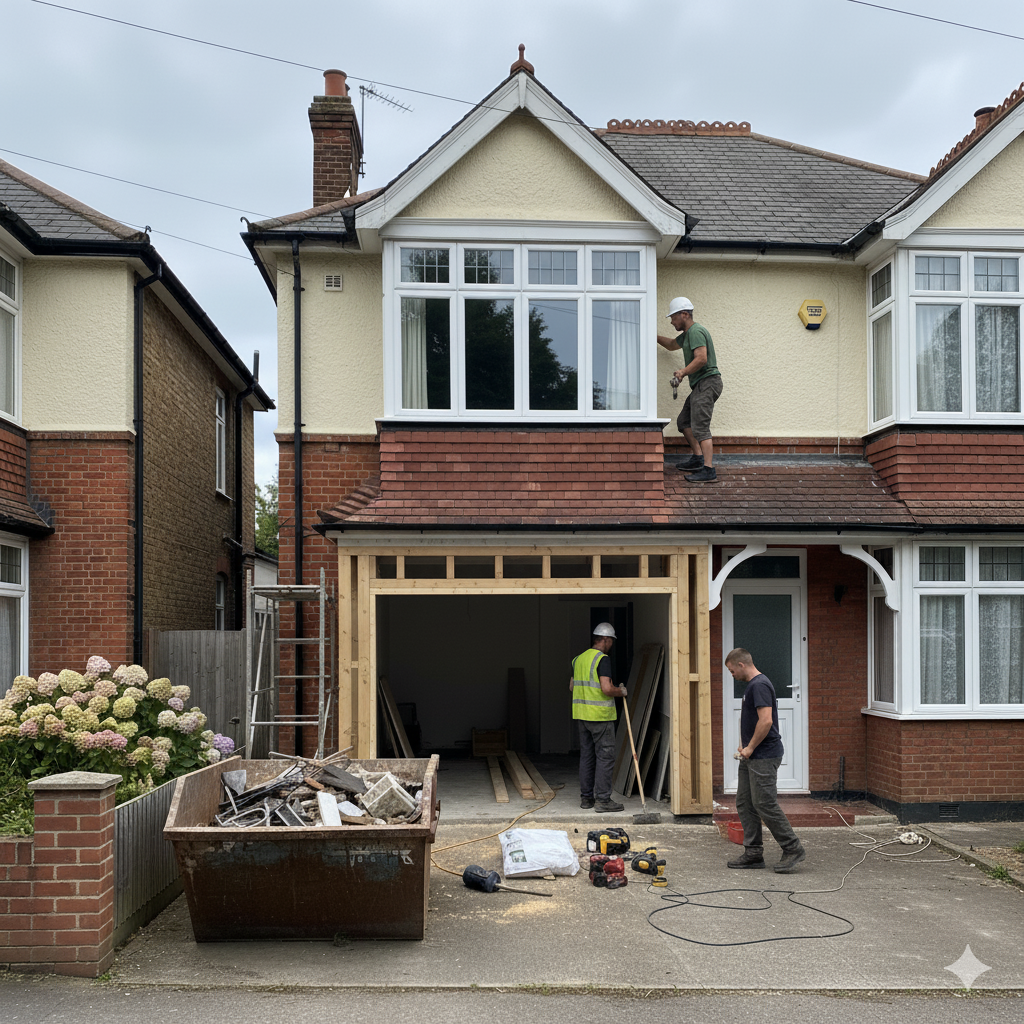




The Complete Guide to Home Refurbishment Projects in the UK
Embarking on a home refurbishment in the UK is an exciting prospect, but it can also be a daunting one. Whether you have just picked up the keys to a “fixer-upper” Victorian terrace or you are looking to modernise a 1970s semi, a successful refurbishment requires meticulous planning, a solid budget, and a clear understanding of UK building standards.
This guide walks you through the essential stages of a UK refurbishment project to ensure your home transformation is seamless and stress-free.
1. Planning and Feasibility
Before you pick up a sledgehammer, you need a plan. In the UK, the “Planning” stage is twofold: what you want to do, and what the local authorities will allow you to do.
-
Permitted Development vs. Planning Permission: Many interior refurbishments don’t require formal planning permission. However, if you are changing the exterior (e.g., new windows in a Conservation Area) or extending, you must check your Permitted Development (PD) rights.
-
Building Regulations: Almost all structural work, electrical rewiring, and new plumbing must comply with Building Regs. This ensures the property is safe, energy-efficient, and structurally sound.
-
The “Snagging” Survey: If you haven’t bought the property yet, get a RICS Level 3 Survey. This identifies “hidden” issues like rising damp, rot, or subsiding foundations that could swallow your budget.
2. Setting a Realistic Budget and Contingency
Refurbishment costs in the UK can vary wildly based on location and material quality.
-
The 10-15% Rule: Always set aside at least 10-15% of your total budget as a “contingency fund.” In older British homes, you will almost certainly encounter unexpected issues once you “open up” the walls.
-
VAT Considerations: Remember that most residential refurbishment work is subject to 20% VAT. Ensure your quotes from contractors specify whether VAT is included.
3. The Order of Works: From “Strip Out” to “Snagging”
A professional refurbishment follows a specific sequence to avoid “undoing” finished work.
-
Strip Out & Demolition: Removing old kitchens, bathrooms, carpets, and non-structural walls.
-
Structural Work: Installing RSJs (steel beams) if you are creating an open-plan space.
-
First Fix: This involves the “hidden” elements—re-wiring (electrics) and re-plumbing (pipework) before the walls are plastered.
-
Plastering & Flooring: Creating smooth surfaces and laying the base floor.
-
Second Fix: Installing light switches, sockets, bathroom suites, and kitchen units.
-
Decorating: Painting, tiling, and final finishes.
4. Dealing with Common UK Issues
UK homes, particularly those built before 1990, often come with specific “quirks” that need addressing during a refurbishment:
-
Damp Proofing: Many older homes lack a modern damp proof course (DPC). Addressing “rising damp” or “penetrating damp” is essential before you start decorating.
-
Asbestos: If your home was built or renovated between 1950 and 1999, it may contain asbestos in floor tiles, textured ceilings (Artex), or insulation. Have a survey done before disturbing these areas.
-
Energy Efficiency: A refurbishment is the perfect time to upgrade your EPC rating. Consider internal wall insulation, floor insulation, and upgrading to a modern A-rated boiler or heat pump.
5. Choosing the Right Team
In the UK, you generally have three options for managing the work:
-
The Main Contractor: One company manages all trades (plumbers, sparkies, joiners). This is the least stressful but often the most expensive option.
-
Specialist Sub-contractors: You act as the Project Manager, hiring each trade individually. This saves money but requires a significant time commitment.
-
Design & Build Firms: They handle everything from the initial architectural drawings to the final lick of paint.
Key UK Refurbishment Terms
| Term | Meaning |
| RSJ | Rolled Steel Joist; used to support the structure when a wall is removed. |
| Making Good | Repairing the surfaces around a newly installed area (e.g., plastering around a new window). |
| The Sparky / The Chippy | Common slang for an Electrician and a Carpenter/Joiner. |
| Party Wall Agreement | A legal requirement if you are doing structural work on a wall shared with a neighbour. |
Final Thoughts
A home refurbishment is a marathon, not a sprint. By respecting the “Order of Works” and ensuring all structural and hidden elements (the First Fix) are done to the highest standard, you create a solid foundation for the beautiful finishes that follow.