



In the UK construction industry, health and safety is far more than a “tick-box” exercise or a set of bureaucratic hurdles. According to the Health and Safety Executive (HSE), construction remains one of the highest-risk sectors for workplace accidents.
Professional builders don’t just rely on luck or “being careful.” They implement rigorous, systematic approaches to ensure that every tradesperson, visitor, and member of the public returns home safely at the end of the day.
Here is a look behind the hoarding at how professional builders manage health and safety on-site.
1. The Legal Framework: CDM 2015
Any reputable UK builder operates under the Construction (Design and Management) Regulations 2015 (CDM 2015). These regulations aren’t optional; they govern how health and safety is managed throughout the entire lifespan of a project.
Professional builders ensure that:
-
Principal Contractors are appointed to plan and monitor the work.
-
Construction Phase Plans are drawn up before a single brick is laid.
-
Health and Safety Files are maintained for the future use of the building.
2. RAMS: Risk Assessments and Method Statements
Before a high-risk task begins—such as knocking down a structural wall or working on a roof—a professional builder will produce RAMS.
-
Risk Assessment: Identifying what could go wrong and how to prevent it.
-
Method Statement: A step-by-step guide on how the task will be performed safely.
By documenting these processes, the site manager ensures that every “labourer” and “sparky” (electrician) on-site knows exactly what is expected of them.
3. Site Security and Hoarding
Safety starts at the perimeter. A professional site is a secure site. Builders use high-quality hoarding or Heras fencing to prevent unauthorised access, particularly by children or trespassers.
Clear signage is a legal requirement. You will see “Danger: Construction Site” signs, “No Entry” warnings, and clear instructions on where visitors must report.
4. Personal Protective Equipment (PPE)
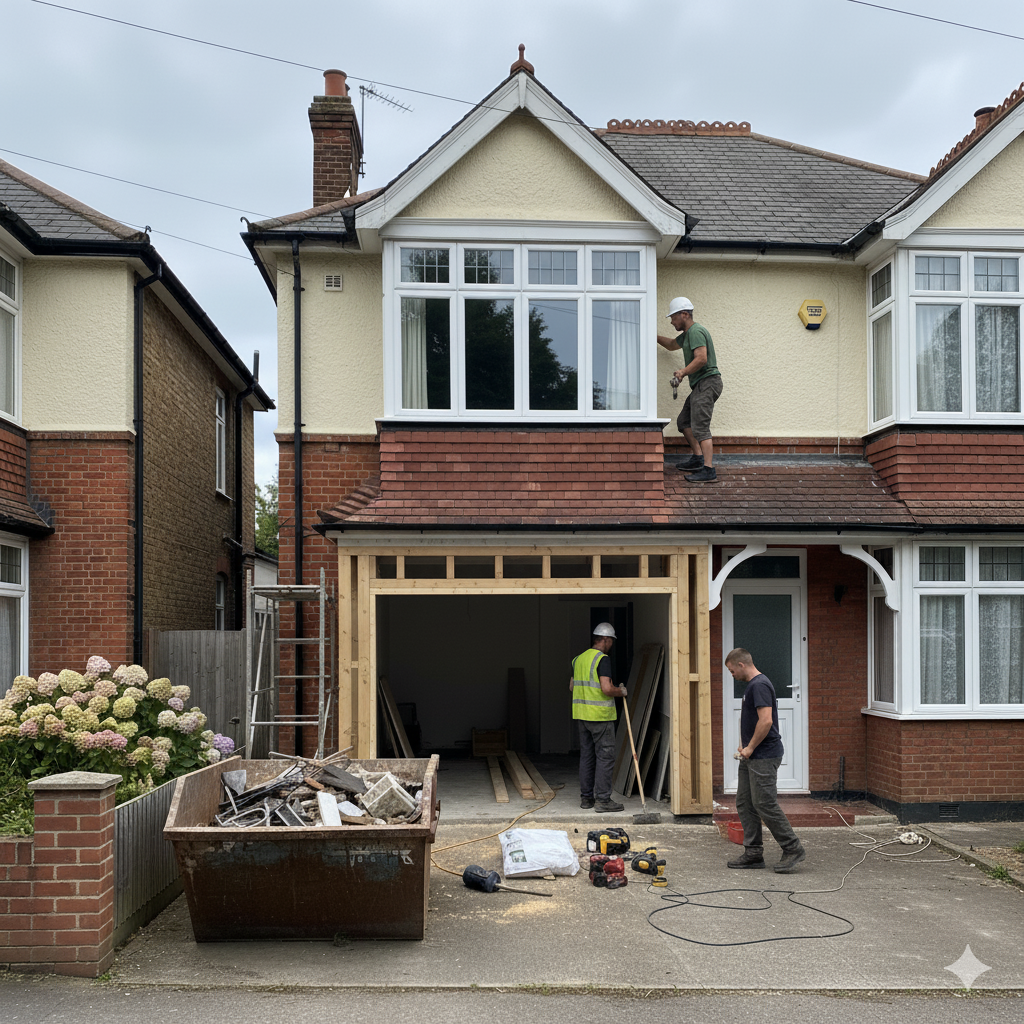
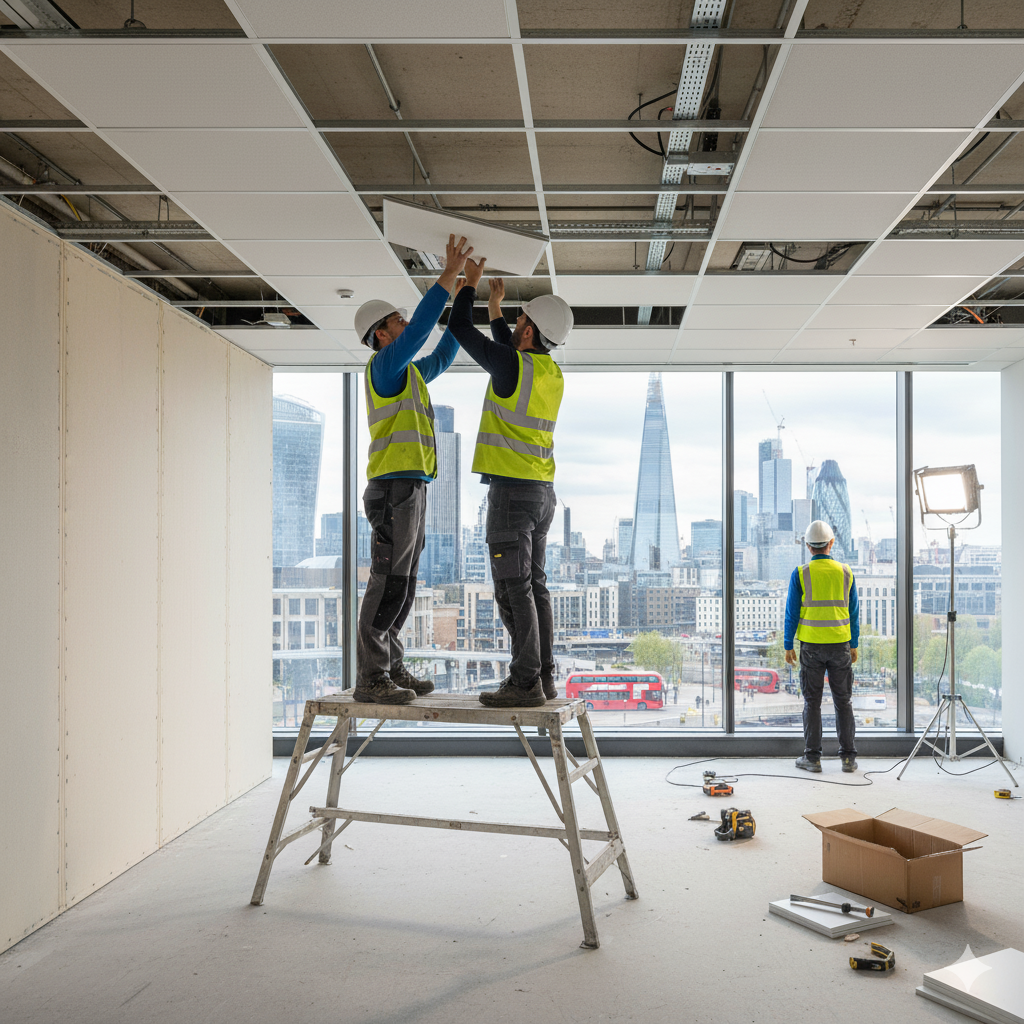
While PPE is the “last line of defence,” it is a non-negotiable on a professional site. You can spot a well-run site by the discipline regarding:
-
Hard Hats: To protect against falling objects.
-
Hi-Vis Vests: Ensuring plant machinery operators (like digger drivers) can see workers.
-
Steel Toe-Cap Boots: Essential for protecting feet from heavy materials or sharp nails.
-
Respiratory Protective Equipment (RPE): Crucial when cutting stone or wood to prevent “Silica Dust” inhalation, a major health risk in the UK.
5. Training and CSCS Cards
In the UK, the Construction Skills Certification Scheme (CSCS) is the industry standard. A professional builder ensures that everyone on their site holds a valid CSCS card, proving they have the required training and safety qualifications for their specific trade.
Regular “Toolbox Talks”—short, 10-minute safety briefings—are also held to keep safety at the forefront of everyone’s mind as the project evolves.
6. Managing the “Big Three” Hazards
Professional builders pay extra attention to the three most common causes of serious accidents:
-
Working at Height: Using properly inspected scaffolding, edge protection, and harnesses.
-
Moving Vehicles: Establishing “pedestrian-only” zones and using “banksmen” (traffic marshals) to guide deliveries and plant machinery.
-
Electricity and Utilities: Using “CAT scanners” to find underground cables before digging and ensuring all portable tools are 110V (yellow transformers) rather than standard 240V domestic plugs.
7. Welfare and Mental Health
Modern health and safety also cover “wellbeing.” A professional site must provide adequate welfare facilities, including:
-
Clean toilets and washing facilities.
-
A heated “canteen” area for breaks.
-
Facilities for drying wet clothes.
Furthermore, with the rise of campaigns like Mates in Mind, professional builders are increasingly aware of mental health, providing a culture where workers feel safe to speak up if they are struggling.
Why This Matters to You
If you are hiring a builder for a domestic renovation or a commercial build, their attitude toward health and safety is a direct reflection of their overall quality. A builder who cuts corners on a safety harness is likely to cut corners on your foundations or finishing.
Choosing a professional who prioritises safety provides:
-
Legal Protection: Ensuring you aren’t liable for accidents on your property.
-
Efficiency: Safe sites have fewer delays caused by accidents or HSE inspections.
-
Peace of Mind: Knowing your project is being handled with the highest level of integrity.
Final Thoughts
Health and safety is the backbone of a professional construction project. It requires constant vigilance, updated training, and a “safety-first” culture that starts from the top down.