

1. The Wraparound Extension
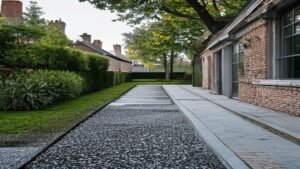
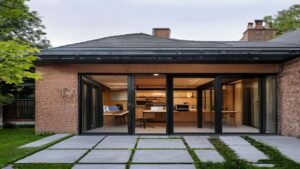
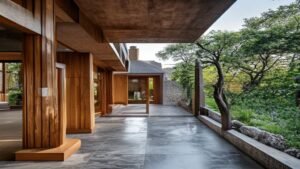
For detached properties with a side garden or driveway, a wraparound extension is the ultimate game-changer. By combining a side-return extension with a rear extension, you create an L-shaped addition that completely transforms the ground floor.
-
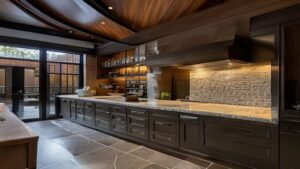
The Impact: This creates a vast, open-plan “super-room” that can house a kitchen, dining area, and a family lounge.
-
Why it Works: It utilises the “dead space” at the side of the house while extending deep into the rear, providing a seamless flow into the garden through wide bi-fold or sliding doors.
2. Double-Storey Side Extensions
Since you don’t share a wall with a neighbour, a detached home is the perfect candidate for a double-storey side extension. This is often the most cost-effective way to add a significant amount of square footage.
-
Upstairs: Add a generous master suite with an en-suite bathroom and a walk-in wardrobe.
-
Downstairs: Create a dedicated home office, a utility room, or even a self-contained annexe.
-
The Value: Moving a detached house from three bedrooms to five can move it into a completely different price bracket in the UK market.
3. High-Spec Garage Conversions
Many detached homes come with an integrated or detached double garage that is often used only for storing clutter. Converting this into a habitable room is one of the highest ROI (Return on Investment) projects you can undertake.
| Conversion Idea | Best For… |
| Home Cinema | Windowless garages are perfect for controlled lighting and sound. |
| Home Gym | Reinforce the floor for weights and install climate control. |
| Granny Annexe | Perfect for multi-generational living with independent access. |
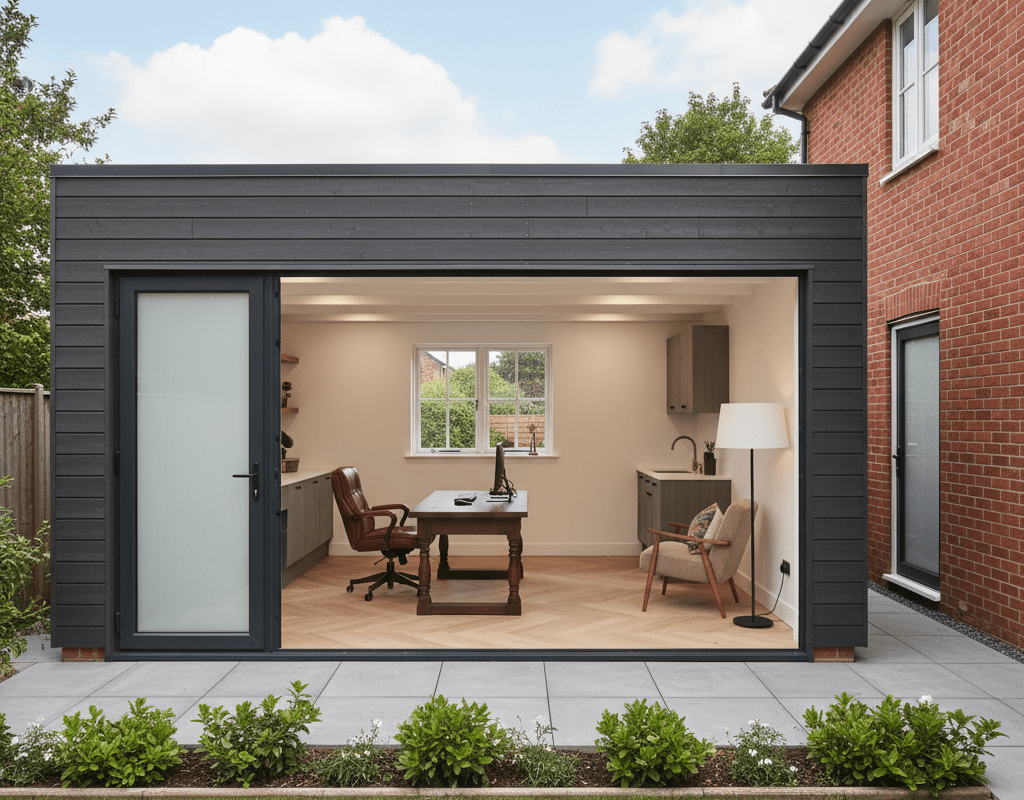
| The “Shoffice” | A hybrid office/studio space removed from the main house noise. |
4. Modernising the “Kerb Appeal”
Detached homes often sit on larger plots, making their external appearance even more prominent. If your home is a standard 1970s or 80s brick build, a facelift can add immense “wow factor.”
-
Rendering and Cladding: Consider a mix of white K-Rend and contemporary timber (or composite) cladding to break up the brickwork.
-
Window Upgrades: Replace dated uPVC frames with anthracite grey or black aluminium frames for an instant modern look.
-
Porch Extensions: A larger, architecturally designed porch creates a grand entrance and provides much-needed storage for coats and “bootility” items.
5. Creating a “Garden Room” Connection
Because detached homes often have larger gardens, the transition between indoors and outdoors is a key area for renovation.
-
The Sunroom/Orangery: Unlike a traditional conservatory, an orangery features brick pillars and a solid roof with a glass lantern. This makes it feel like a permanent part of the house that can be used comfortably in the British winter.
-
Level Thresholds: Ensure your patio is at the exact same level as your internal flooring. When the doors are open, the garden becomes a literal extension of your living room.
6. Energy Efficiency Retrofitting
With larger external wall surface areas, detached homes can be more expensive to heat than mid-terraced properties. Smart renovations focus on the “fabric” of the building.
-
External Wall Insulation (EWI): If you have solid walls, adding external insulation before rendering can drastically reduce heat loss.
-
Solar PV and Battery Storage: Detached roofs usually offer more “unshaded” space for solar panels. Adding a battery storage system allows you to power your home through the night with the energy collected during the day.