
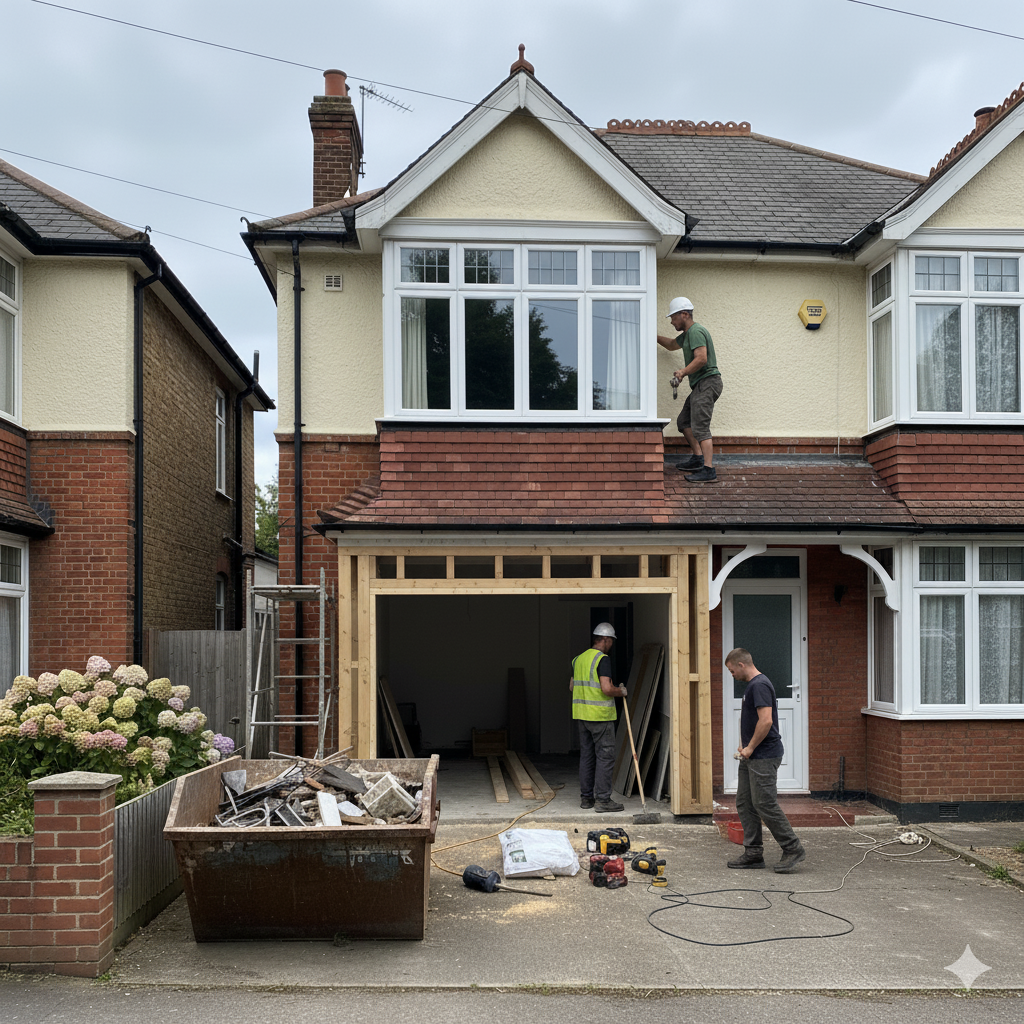

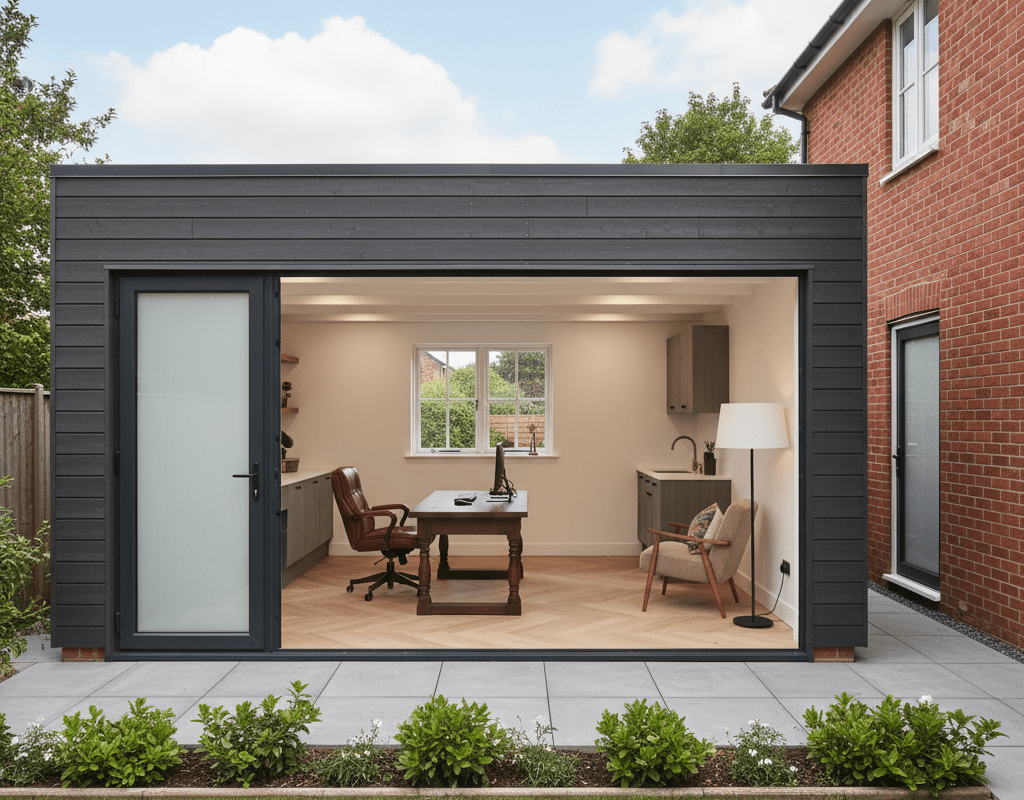


When a UK household needs more space, the choice often boils down to two major structural projects: building upwards with a loft conversion or building outwards with a house extension. Both options dramatically improve lifestyle and functionality, but which provides the superior return on investment (ROI) and adds the most value to your property?
While general advice suggests both are excellent investments, the true winner depends heavily on your property type, the size of your garden, and the local housing market demand.
The Contenders: An Overview
| Project | Primary Purpose | Disruption Level | Average ROI |
| Loft Conversion | Adding an extra bedroom/bathroom (e.g., master suite). | Medium. Work is mostly external until the staircase is cut in. | 15% – 25% |
| House Extension | Creating open-plan living/kitchen/dining space. | High. Impacts core living areas and kitchen for months. | 5% – 15% (often higher in high-demand areas) |
1. Loft Conversion: The Value-Adding Bedroom
A loft conversion typically involves transforming unused attic space into a habitable room, most commonly a new bedroom (which officially changes the property’s classification from, say, a three-bed to a four-bed house).
The Advantages for Value
-
The Bedroom Multiplier: In UK valuation, adding a genuine, legally compliant bedroom and a second bathroom (en-suite) generates significant value, particularly if it pushes the property over a key threshold (e.g., from three to four bedrooms).
-
Minimal Garden Loss: Crucially, a loft conversion uses space that is already there, preserving 100% of your garden and external space. Losing garden space can significantly reduce value in family-oriented areas.
-
Reduced Planning Risk: Many standard loft types, like a rear Dormer or Rooflight conversion, fall under Permitted Development rights, reducing time and cost spent on formal planning applications.
-
Lower Running Costs: Due to modern insulation requirements, the new loft room is often highly energy efficient, which can improve the property’s EPC rating—a major selling point.
The Drawbacks
-
Less Usable Headroom: Even with a Dormer, the space can still feel smaller than a traditional extension due to staircase encroachment and sloped ceilings.
-
Staircase Sacrifice: A portion of the valuable first-floor space (usually a corner of a landing or bedroom) must be sacrificed to accommodate the staircase.
2. House Extension: The Lifestyle Enhancer
A house extension involves building outwards, typically to the rear or side, creating a larger ground-floor footprint. Today, the vast majority are built to create open-plan kitchen/living/dining spaces.
The Advantages for Value
-
Meeting Market Demand: The desire for a large, light-filled, open-plan kitchen-diner is exceptionally high in the current UK market. An extension directly addresses this aspirational lifestyle need.
-
Maximum Space Utility: The space created is often large, rectangular, and has full head height throughout, offering maximum versatility.
-
Seamless Flow: A good extension, with large bifold doors and rooflights, creates a coveted indoor-outdoor flow to the garden.
The Drawbacks
-
Garden Loss: Every square metre built over is a square metre of garden lost. In densely populated areas, this reduction can negatively impact the perceived value, especially if the garden was already small.
-
High Disruption: The project involves major structural work (foundations, load-bearing walls) that happens centrally within the home, making it difficult to live through.
-
Potential Overcapitalisation: In lower-value areas, it’s easy to overspend on a high-spec extension that the local market price won’t fully absorb (overcapitalisation).
The Verdict: Which Delivers the Best ROI?
For pure, measurable value increase in a typical British semi-detached or terraced home, the Loft Conversion often takes the lead, particularly when a bedroom is successfully added.
-
Loft Conversion (Adding a Bedroom): The calculation is simple—a four-bed house is worth substantially more than an equivalent three-bed house. The cost of conversion often results in a higher percentage gain on the original spend.
-
House Extension (Adding Living Space): The value addition is less about adding a room count and more about improving the quality of life. The ROI is generally high but must be balanced against the value of the garden space lost.
Expert Recommendation: If your house is only two bedrooms and adding a third is critical, the loft wins. If your kitchen is cramped, but you already have enough bedrooms, the extension wins. The ultimate winner is often the combination: a rear extension for the ground floor, and a loft conversion for the bedroom count.
The Crucial Market Factor
-
Local Ceiling Price: Never spend so much that your property becomes the most expensive on the street. The maximum value your house can achieve is often capped by similar properties nearby.
-
Demand: If your area is highly sought-after for family buyers, any increase in usable, habitable space (be it bedrooms or living space) will be rewarded.
Your best investment will be the project that solves your home’s most significant drawback while keeping the local market ceiling and the necessity of garden space in mind.