
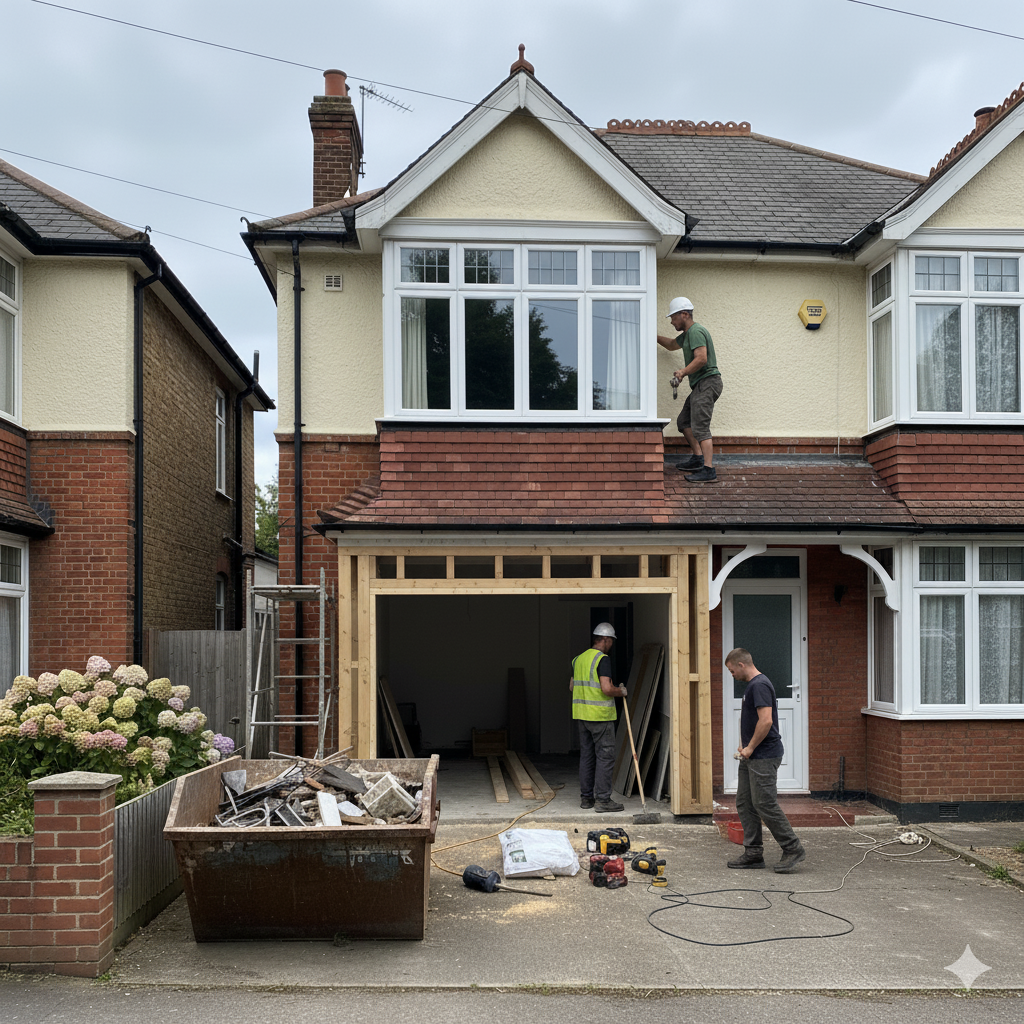

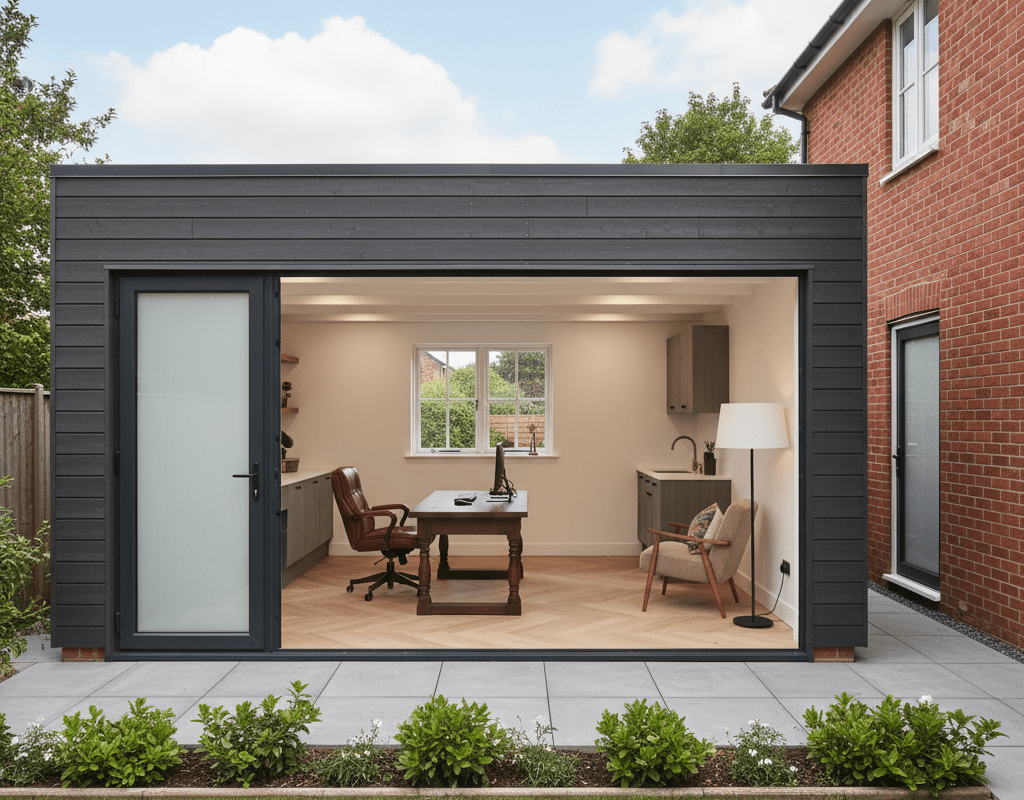


Choosing the right builder is one of the most important decisions you’ll make during any home improvement project. Whether you’re planning a loft conversion, extension, renovation, or complete refurbishment, the quality of the builder you hire will directly impact the final result, your budget, and the overall experience. With so many tradespeople and companies offering building services across the UK, knowing how to make an informed choice is essential.
This guide walks you through the key steps to selecting the right builder for your home improvement project—ensuring a smooth process, high-quality workmanship, and long-lasting results.
1. Define Your Project Clearly
Before contacting any builder, you should have a clear understanding of what you want to achieve. Builders can only offer accurate quotes and timelines if you provide clear requirements.
Prepare the following:
-
A written project brief
-
Any inspiration images or design references
-
Floor plans or architectural drawings (if applicable)
-
An estimated budget
The more detail you provide upfront, the more accurate the builder’s proposal will be.
2. Check Qualifications, Experience & Credentials
A reputable builder should have the right qualifications, industry experience, and proper credentials.
Look for:
-
Memberships in bodies like the FMB (Federation of Master Builders)
-
Public liability insurance
-
Experience with projects of a similar size and style
-
Professional certifications or trade licences
-
Health & safety compliance
Never hesitate to ask for proof—trustworthy builders are always transparent.
3. Review Past Work & Portfolio
A builder’s previous work is the clearest indicator of their skill and reliability.
Check their:
-
Portfolio of completed projects
-
Case studies
-
Before-and-after photos
-
Social media profiles for recent work
-
Reviews on platforms like Google, Checkatrade, or Trustpilot
Look for consistency in quality, attention to detail, and whether their style matches your needs.
4. Ask for Recommendations
Word-of-mouth remains one of the most reliable ways to find good builders.
Ask:
-
Friends
-
Family
-
Neighbours
-
Local community groups
-
Colleagues
If multiple people recommend the same builder, it’s usually a positive sign.
5. Get Multiple Quotes
Never settle for the first quote you receive. Getting at least three quotes gives you a better understanding of market rates and helps you identify unrealistic pricing.
Compare the quotes carefully:
-
Are all materials included?
-
What is the estimated timeline?
-
Is labour broken down clearly?
-
Are there any allowances or provisional sums?
Be cautious of extremely low quotes—they often lead to hidden costs later.
6. Check Communication & Professionalism
A builder’s communication style says a lot about how the project will go.
Take note of:
-
How quickly they respond
-
Whether they provide clear explanations
-
Their willingness to answer questions
-
Their professionalism during the site visit
A good builder communicates openly, manages expectations, and keeps you updated throughout the project.
7. Ensure Everything Is in Writing
Once you’ve chosen your builder, a written contract is essential.
It should include:
-
Full project scope
-
Materials and specifications
-
Payment schedule
-
Start and completion dates
-
Warranty or guarantee details
-
Change order process
Never start work without a signed agreement—this protects both you and the builder.
8. Ask About Warranties & Aftercare
Trustworthy builders stand behind their workmanship.
Ask:
-
What warranties they offer
-
Whether materials come with manufacturer warranties
-
What happens if issues arise after completion
-
How long they offer aftercare support
Builders who prioritise customer satisfaction will be clear and upfront about guarantees.
9. Look for Insurance & Compliance
A responsible builder must carry the right insurance, including:
-
Public liability insurance
-
Employer’s liability insurance
-
Relevant trade or building insurance
This protects you financially if something goes wrong during the project.
10. Trust Your Instincts
Beyond credentials and quotes, trust your intuition. If something feels off—poor communication, unclear pricing, or high-pressure sales tactics—it’s best to look elsewhere.
You’re hiring someone who will be in your home for weeks or months, so feeling comfortable is essential.
Final Thoughts
Choosing the right builder can make all the difference in the success of your home improvement project. By taking the time to research, compare, and ask the right questions, you can ensure your project runs smoothly, stays within budget, and results in a beautifully finished space that adds value to your home.