


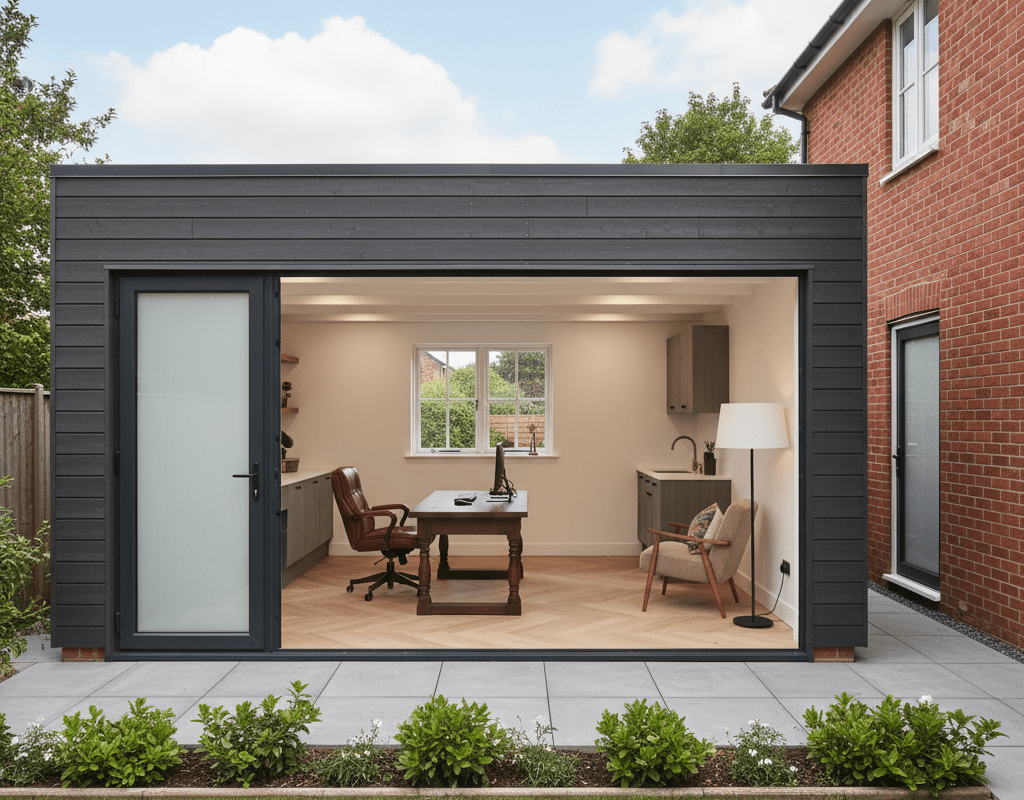


Renovating a home is an exciting opportunity to enhance comfort, aesthetics, and value. However, one of the most critical decisions you’ll make during a renovation is choosing the right materials. Using high-quality, durable materials ensures your home looks stunning, functions well, and withstands the test of time.
In this guide, we explore why selecting quality materials is essential and how it impacts your home renovation project in the UK.
1. Longevity and Durability
Quality materials last longer, reducing the need for frequent repairs or replacements. Cheaper alternatives may save money upfront but can lead to higher costs over time due to wear, damage, or poor performance.
Examples:
-
Solid hardwood flooring instead of laminate
-
Quartz or granite worktops instead of low-cost laminates
-
Durable ceramic or porcelain tiles for high-traffic areas
Investing in durable materials ensures your home renovation remains functional and attractive for years to come.
2. Enhancing Aesthetic Appeal
High-quality materials give a renovation a polished and luxurious finish. They often have better textures, colours, and finishes that are difficult to replicate with lower-grade options.
Considerations:
-
Natural stone or engineered surfaces in kitchens and bathrooms
-
Well-crafted joinery for cabinets, doors, and skirting boards
-
Premium paint and wall finishes for a flawless look
Choosing superior materials elevates the overall design and creates a lasting impression on guests and potential buyers.
3. Increasing Property Value
A well-executed renovation using quality materials can significantly boost the value of your property. UK buyers are willing to pay more for homes that feature durable, stylish finishes.
High-impact areas include:
-
Kitchens and bathrooms
-
Flooring and tiling
-
Windows and doors
-
Outdoor extensions or patios
Quality materials signal that the home has been thoughtfully renovated, making it more attractive in the property market.
4. Reducing Maintenance and Repair Costs
Materials that are built to last require less maintenance. For example, high-grade tiles, waterproof wall finishes, and well-sealed timber are easier to clean and maintain. This reduces ongoing upkeep costs and ensures the space continues to look new.
5. Environmental Considerations
Quality materials are often more sustainable. Many premium materials are produced to higher environmental standards, use fewer chemicals, and are more recyclable. By choosing eco-friendly options, you not only protect the environment but also improve indoor air quality and comfort.
6. Improving Safety and Performance
In renovation projects, safety is paramount. High-quality materials provide better structural integrity, fire resistance, insulation, and moisture protection. For instance, certified electrical fittings, fire-rated doors, and high-quality insulation contribute to a safer and more energy-efficient home.
7. Future-Proofing Your Home
Homes are long-term investments. By selecting quality materials, you future-proof your property against changing trends, wear and tear, and evolving lifestyle needs. Timeless materials like stone, hardwood, and stainless steel ensure your renovation remains relevant and durable.
8. Enhancing Comfort and Lifestyle
Finally, quality materials enhance daily living. Soft-close cabinetry, high-grade flooring underfoot, smooth tiling, and well-insulated walls contribute to a comfortable, functional, and enjoyable home.
Final Thoughts
The choice of materials is a cornerstone of any successful home renovation. While high-quality materials often require a larger initial investment, the benefits in durability, aesthetics, safety, and long-term value far outweigh the cost. For UK homeowners, prioritising quality ensures your renovation not only looks stunning but also stands the test of time.