
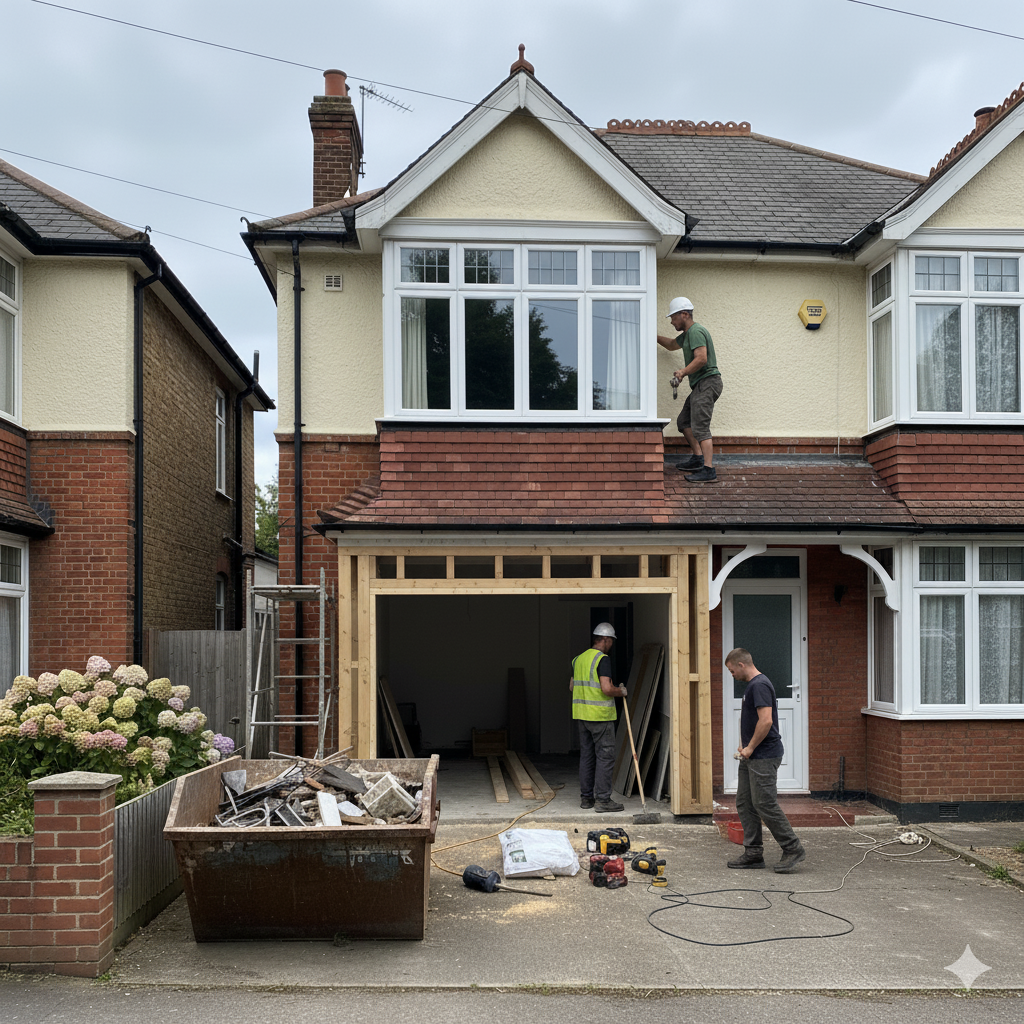




Home renovations are exciting, offering the opportunity to create your dream space. However, they can also be disruptive, affecting daily routines, comfort, and even your peace of mind. Whether it’s a kitchen remodel, loft conversion, or a full-scale home renovation, planning and strategy are key to minimising inconvenience.
This guide provides practical tips on how to reduce disruption during home renovations in the UK, helping homeowners maintain comfort, safety, and efficiency throughout the project.
1. Plan Thoroughly Before Work Begins
The foundation for a smooth renovation is meticulous planning.
Key steps:
-
Create a clear project timeline
-
Identify essential rooms and areas that must remain usable
-
Prepare a detailed budget and procurement schedule
-
Discuss plans with contractors to understand potential disruption points
A well-thought-out plan ensures everyone is on the same page and reduces unexpected delays.
2. Communicate Clearly with Contractors
Open communication with your construction team is crucial. Misunderstandings can lead to mistakes, delays, and unnecessary disruption.
Best practices:
-
Schedule regular check-ins or site meetings
-
Establish working hours that suit your household
-
Clarify expectations on noise, dust, and site cleanliness
-
Keep a single point of contact for queries
Professional contractors will appreciate clear instructions and respond better to structured guidance.
3. Create a Temporary Living Plan
During major renovations, parts of your home may become unusable. Preparing an alternative plan helps maintain daily routines.
Suggestions:
-
Set up a temporary kitchen or bathroom if key areas are under construction
-
Use temporary partitions to separate work zones from living spaces
-
Designate safe storage areas for personal belongings
This approach reduces stress and keeps life running smoothly.
4. Protect Your Home and Belongings
Construction work can cause damage to furniture, flooring, and walls if precautions aren’t taken.
Protective measures:
-
Cover floors with durable sheets or carpets
-
Use dust barriers or plastic sheeting between rooms
-
Move valuables and fragile items out of the work zone
-
Keep tools and hazardous materials secured
Proper protection minimises cleaning and repair after the work is done.
5. Schedule Work in Phases
Breaking the renovation into manageable phases limits disruption and allows parts of your home to remain functional.
Examples:
-
Complete one room at a time
-
Schedule noisy work, like demolition, early in the day
-
Stagger deliveries to reduce clutter and congestion
Phased approaches are particularly effective for family homes or occupied properties.
6. Consider Off-Peak Work Hours
Timing construction activities strategically can reduce inconvenience.
Tips:
-
Schedule high-noise tasks during work hours when you’re likely out
-
Avoid early morning or late evening work to maintain neighbours’ goodwill
-
Coordinate deliveries when access is easiest and traffic is lighter
These small adjustments make a significant difference to comfort and daily routines.
7. Minimise Dust and Debris
Dust is one of the biggest annoyances during home renovations.
Effective methods:
-
Use dust screens or temporary walls
-
Seal off HVAC vents to prevent dust circulation
-
Regularly vacuum and sweep work areas
-
Encourage contractors to clean daily
Maintaining cleanliness ensures the home remains livable throughout the project.
8. Keep Safety a Priority
Disruption can escalate if accidents occur on-site. Maintaining a safe environment protects both household members and workers.
Safety tips:
-
Keep children and pets away from the construction zone
-
Ensure proper signage for any hazards
-
Use non-slip mats and barriers where needed
-
Confirm that contractors follow health and safety regulations
Safety-focused renovations prevent accidents that could further disrupt your home life.
9. Use Temporary Utilities if Needed
Some renovations may require shutting off electricity, water, or gas temporarily.
Solutions:
-
Set up temporary kitchen or bathroom facilities
-
Use portable heaters or lights during power cuts
-
Coordinate utility shut-offs to minimise inconvenience
Proper planning ensures minimal impact on daily living.
10. Prepare Mentally and Stay Flexible
Finally, maintaining a positive attitude and flexibility is essential.
Suggestions:
-
Accept that minor delays are normal
-
Stay in regular contact with your contractor for updates
-
Celebrate small milestones to stay motivated
Being prepared mentally helps you manage stress and enjoy the transformation process.
Final Thoughts
Renovations can be disruptive, but with careful planning, clear communication, and practical strategies, you can minimise inconvenience while improving your home. By protecting your property, phasing work, and maintaining safety, your renovation project can be completed efficiently and smoothly, leaving you with a beautifully upgraded space.