


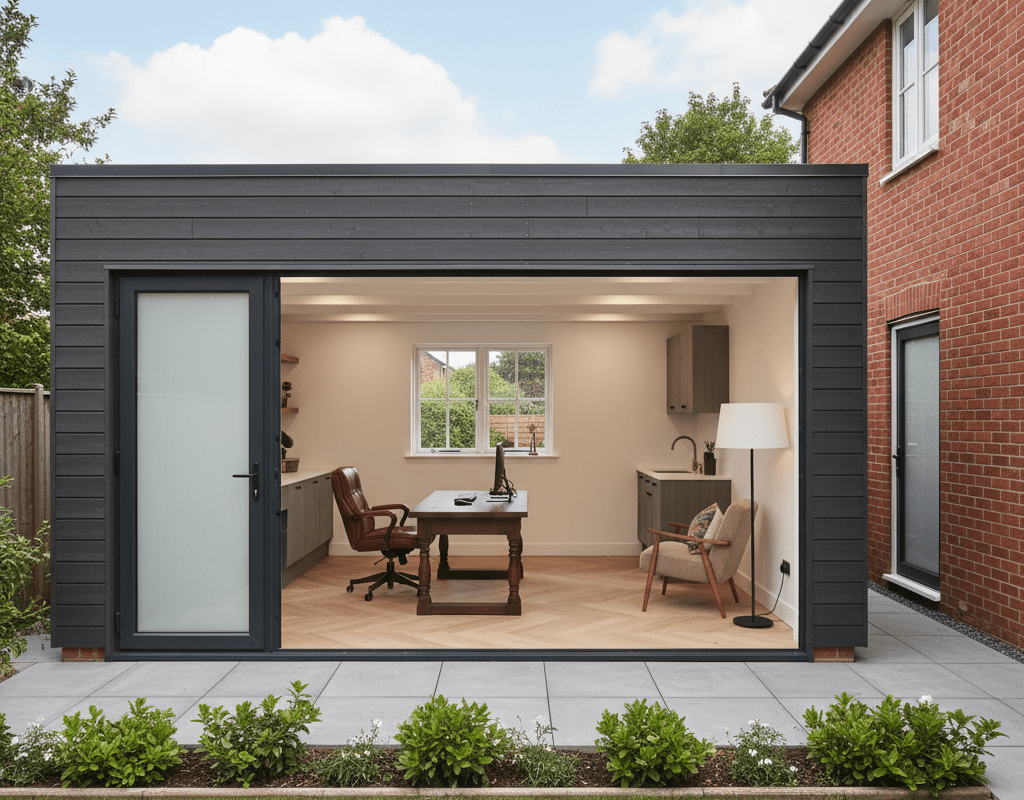


Natural light has the power to transform any home — making it feel larger, brighter, and more inviting. It enhances your mood, reduces energy bills, and creates a warm and welcoming atmosphere that artificial lighting simply can’t replicate. Whether you’re planning a renovation, an extension, or designing a new home, maximising natural light should be a top priority. Here’s a comprehensive guide to brightening your home through smart design choices and thoughtful planning.
1. Start with the Right Layout
The layout of your home plays a huge role in how much natural light it receives. When designing or remodelling, consider how each room is positioned in relation to the sun’s path:
-
South-facing rooms get the most sunlight throughout the day — ideal for living rooms and kitchens.
-
North-facing rooms receive more consistent but cooler light — perfect for offices, bathrooms, or utility spaces.
Arrange frequently used areas to benefit from the brightest parts of the house. Open-plan layouts are particularly effective for allowing light to flow freely through the space.
2. Use Large Windows and Glass Features
Windows are the most obvious — and most effective — way to increase natural light.
Here are a few design ideas:
-
Floor-to-ceiling windows: Flood rooms with daylight and connect interior spaces to the outdoors.
-
Bay or bow windows: Add architectural interest while expanding your view.
-
Corner glazing: Maximises light from multiple angles, ideal for modern extensions.
-
Glass doors: Sliding or bi-fold doors are perfect for creating bright transitions to gardens or patios.
When choosing glazing, opt for energy-efficient double or triple glazing to retain warmth during the colder months while maximising light year-round.
3. Incorporate Skylights and Roof Lanterns
For homes with limited wall space or darker central areas, skylights and roof lanterns are a brilliant solution.
They allow sunlight to pour in from above, brightening spaces that might otherwise rely on artificial lighting.
-
Skylights: Perfect for loft conversions, kitchens, or hallways.
-
Roof lanterns: Add a dramatic architectural feature to extensions or open-plan areas.
-
Tubular skylights: Compact options for small or internal rooms where traditional windows aren’t possible.
Position skylights carefully — ideally facing north or east — to prevent overheating during summer.
4. Choose Light-Reflecting Colours and Finishes
Your colour palette can significantly influence how bright your home feels.
Opt for light, neutral shades such as soft whites, creams, or pale greys to reflect light around the room.
A few additional tips:
-
Gloss or satin finishes on walls and ceilings enhance reflectivity.
-
Light-coloured flooring (like oak or limestone) can bounce light upwards.
-
Mirrors and metallic accents strategically placed opposite windows amplify brightness.
Avoid overly dark colours in small or north-facing rooms, as they tend to absorb light and make spaces feel smaller.
5. Keep Windows Clear and Unobstructed
Even the largest windows won’t help if they’re covered or cluttered. Keep them as open and unobstructed as possible:
-
Use light, sheer curtains or blinds instead of heavy drapes.
-
Trim back outdoor trees or hedges that block sunlight.
-
Regularly clean glass surfaces to maintain maximum brightness.
Simple changes like these can make a noticeable difference in how much daylight enters your home.
6. Opt for Open-Plan and Split-Level Designs
Removing unnecessary walls or partitions allows light to travel further through your home.
If you’re renovating, consider an open-plan layout for shared living spaces, combining the kitchen, dining, and lounge areas.
Alternatively, split-level designs can also help light flow between spaces while maintaining distinct zones. Glass balustrades and internal windows are excellent additions for preserving openness without compromising structure.
7. Use Reflective and Transparent Materials
Incorporating glass and reflective materials is a subtle yet effective way to boost natural light.
Examples include:
-
Glass partitions instead of solid walls.
-
Glossy tiles or splashbacks in kitchens and bathrooms.
-
Polished stone or metal accents to catch and reflect sunlight.
These materials help light travel through the home while adding a touch of modern sophistication.
8. Add Mirrors Strategically
Mirrors are one of the simplest yet most powerful tools for brightening a room.
Position large mirrors opposite or adjacent to windows to reflect natural light deeper into your home.
For smaller spaces, mirrored furniture or decorative pieces can also enhance the sense of openness without overwhelming the décor.
9. Consider Your Exterior Spaces
Your outdoor environment can have a surprising impact on how much natural light enters your home.
Keep outdoor areas tidy and well-designed:
-
Choose light-coloured paving or decking near windows to reflect sunlight inside.
-
Avoid tall fencing or dense planting that blocks windows.
-
Add reflective water features or light-toned walls to boost brightness naturally.
10. Combine Natural and Artificial Lighting
Even with excellent natural light, every home benefits from a balanced lighting plan. Use artificial lighting to complement, not compete with, daylight:
-
Recessed LED lighting for subtle evening illumination.
-
Pendant or floor lamps to add warmth after sunset.
-
Dimmers to adjust brightness depending on the time of day.
This balance ensures a comfortable and well-lit home throughout all seasons.
Conclusion
Maximising natural light in your home design is about more than just aesthetics — it’s about creating a healthier, more uplifting environment. From strategic window placement to reflective finishes and open layouts, every design choice can make a difference. Whether you’re renovating an older property or designing a modern home, embracing natural light will not only enhance your living experience but also add lasting value to your property.