

Dry lining has become a cornerstone of modern construction and renovation projects across the UK. Whether you’re upgrading a residential property or fitting out a commercial space, dry lining offers more than just a smooth finish — it plays a significant role in improving energy efficiency and sound insulation.
In this guide, we’ll explore how dry lining enhances both comfort and performance within a building, making it a smart investment for anyone looking to improve their property’s interior quality and sustainability.
What Is Dry Lining?
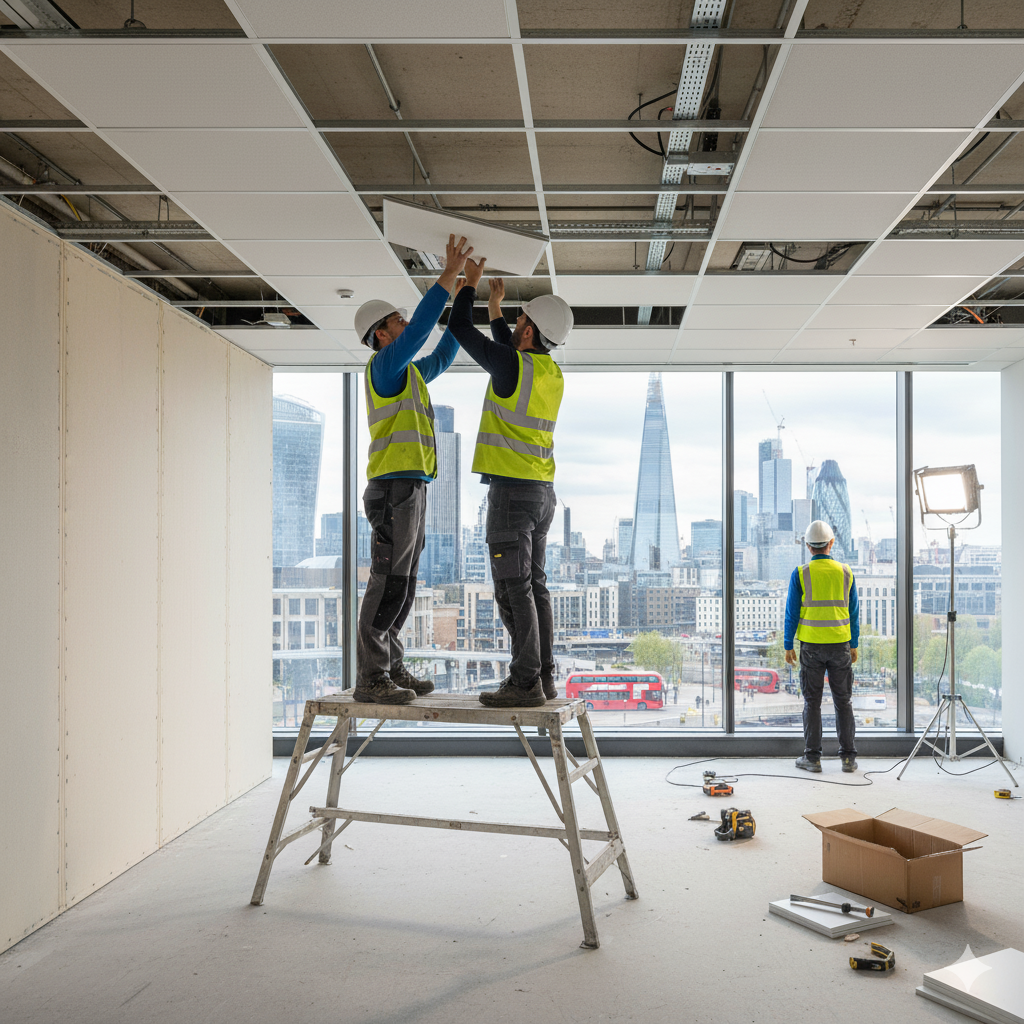
Dry lining is the process of applying plasterboard (also known as drywall) to the internal walls or ceilings of a property, without the need for traditional wet plaster. The boards are fixed using adhesive, screws, or a metal frame system, then finished with jointing tape and filler to create a clean, paint-ready surface.
Beyond aesthetics, dry lining offers practical benefits — helping to regulate temperature, reduce energy bills, and control noise within your home or workplace.
1. Energy Efficiency: Keeping Your Home Warm and Cost-Efficient
One of the most valuable advantages of dry lining is its contribution to thermal efficiency.
a) Improved Insulation Performance
When combined with insulation boards or thermal liners, dry lining significantly reduces heat loss through walls. The air gap created between the plasterboard and the wall acts as an additional insulating layer, keeping warm air inside during winter and preventing heat from penetrating in summer.
b) Lower Energy Bills
By minimising heat loss, dry lining helps your heating system work more efficiently — which can lead to noticeably lower energy bills. In an era of rising energy costs, this makes it a practical and cost-effective upgrade for UK homeowners.
c) Moisture and Condensation Control
Many dry lining systems include vapour control layers that reduce condensation and dampness — both common issues in older British homes. A properly installed dry lining system helps maintain a consistent indoor temperature and prevents cold bridging.
2. Enhanced Soundproofing: Creating a Quieter, More Comfortable Space
Noise pollution is an increasing concern, particularly in busy urban areas. Dry lining can provide a simple yet effective solution to sound management within your property.
a) Acoustic Insulation Options
Acoustic plasterboards are specially designed to absorb and block sound waves. When combined with insulation materials like mineral wool, they reduce airborne noise such as conversations, traffic, or TV sounds between rooms or adjoining properties.
b) Reducing Impact Noise
Dry lining can also help mitigate impact noise — such as footsteps or vibrations — when used on ceilings or partition walls. This is especially useful in flats, offices, or multi-storey homes where noise travels easily between floors.
c) Improved Privacy and Productivity
Soundproofing benefits extend beyond comfort. In homes, it creates a more peaceful living environment; in commercial settings, it promotes productivity by reducing distractions and ensuring privacy in meeting rooms and offices.
3. Faster Installation and Cleaner Finish
Compared to traditional plastering, dry lining is quicker, cleaner, and less labour-intensive. The installation process produces minimal mess and requires little drying time, which speeds up project completion — a major advantage for contractors and homeowners alike.
The end result is a smooth, uniform surface that can be painted, tiled, or decorated immediately, making it both practical and aesthetically pleasing.
4. Sustainability and Long-Term Benefits
Many dry lining materials are eco-friendly and recyclable, aligning with the UK’s growing focus on sustainable building practices. Energy savings achieved through improved insulation also reduce your property’s carbon footprint — a win for both your wallet and the environment.
Additionally, dry lining can help extend the life of a building by protecting internal walls from moisture damage and general wear and tear.
5. Ideal for Renovations and Refurbishments
Dry lining is especially beneficial for older properties that lack adequate insulation or have uneven interior walls. It provides a modern upgrade without major structural changes, making it a popular choice for refurbishments throughout London and other UK cities.
Final Thoughts
Dry lining is much more than a decorative solution — it’s a smart investment in energy efficiency, comfort, and sustainability. Whether you’re tackling a full-scale renovation or simply upgrading a single room, incorporating dry lining can transform your property’s thermal performance and acoustic comfort.
By reducing heat loss, improving soundproofing, and delivering a sleek finish, dry lining remains one of the most effective ways to enhance your home’s efficiency and value.