
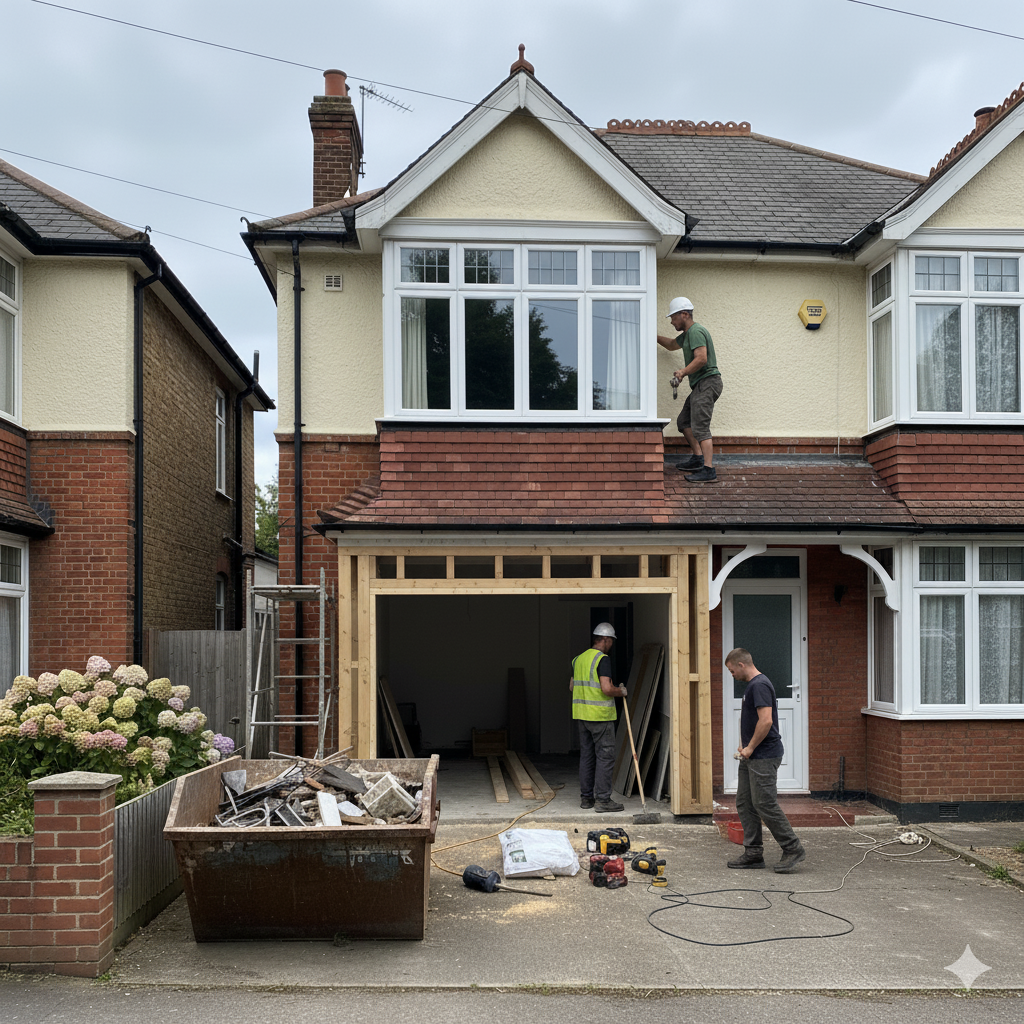

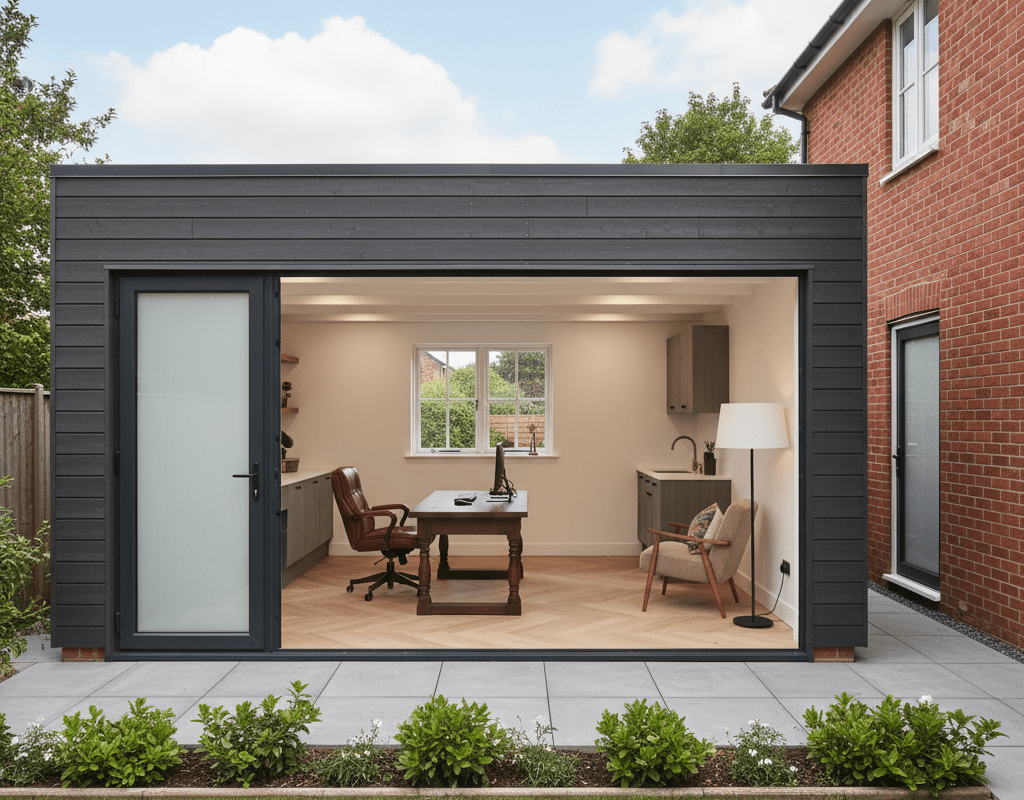


A home renovation can be one of the most rewarding projects you’ll ever undertake — transforming your living space, improving comfort, and boosting your property’s value. However, without proper planning and organisation, it can also become stressful, time-consuming, and costly.
Whether you’re modernising a single room or embarking on a full-scale property refurbishment, success comes down to having a clear plan from day one. In this guide, we’ll walk you through how to plan a successful home renovation from start to finish, ensuring your project runs smoothly and delivers stunning results.
1. Define Your Renovation Goals
Before you start gathering quotes or looking at design ideas, take the time to clearly define why you’re renovating and what you hope to achieve.
Ask yourself:
-
Do I want to increase my home’s value?
-
Am I updating old or worn-out areas?
-
Do I need to create more space or improve functionality?
Once your goals are set, you’ll have a solid foundation for decision-making throughout the project. For example, a renovation focused on resale value will have different priorities than one meant to improve long-term comfort.
2. Set a Realistic Budget
Budgeting is one of the most critical aspects of renovation planning. Start by researching typical renovation costs in your area and setting a realistic figure that includes:
-
Labour and materials
-
Planning fees and permits
-
Design and architectural costs
-
Unexpected expenses (add 10–15% contingency)
Be transparent with your builder about your budget from the start. A professional contractor will help you prioritise what’s achievable and suggest cost-effective alternatives where possible.
3. Develop a Detailed Design Plan
A well-thought-out design plan brings your vision to life and helps avoid expensive changes later on. Collaborate with an architect, designer, or builder to create detailed plans that cover:
-
Layout changes and room dimensions
-
Electrical and plumbing placement
-
Lighting and ventilation design
-
Materials, finishes, and fixtures
Having a clear plan in place before work begins ensures everyone involved is on the same page, minimising confusion and delays.
4. Check Planning Permission and Building Regulations
Depending on the scale of your renovation, you may need planning permission or must comply with building regulations.
For example:
-
Structural changes, such as removing load-bearing walls or extensions, usually require approval.
-
Electrical, plumbing, and gas work must comply with UK building standards.
Always check with your local planning authority before beginning any major renovation. Working with a qualified contractor or architect can help ensure all necessary paperwork is handled correctly.
5. Choose the Right Contractor
Selecting a trustworthy, experienced contractor is essential for a successful renovation. Look for builders who are:
-
Fully insured and accredited
-
Able to provide references or examples of previous work
-
Transparent with quotes and timelines
It’s also worth signing a written contract outlining project details, costs, and deadlines. This helps protect both you and the builder, ensuring everyone understands their responsibilities.
6. Create a Realistic Timeline
Every renovation project takes time — and delays can happen. Discuss a realistic timeline with your builder that includes key stages such as:
-
Design and approvals
-
Ordering materials
-
Demolition and structural work
-
Installation and finishing touches
Having a clear schedule will help you plan around the renovation, especially if you’ll be living in the property during construction.
7. Prepare Your Home for Renovation
Before work begins, take steps to prepare your space:
-
Clear out furniture and valuables
-
Set up a temporary living area if key rooms (like the kitchen or bathroom) are being renovated
-
Notify neighbours if the work might cause noise or disruption
Preparation not only protects your belongings but also helps the renovation team work efficiently.
8. Monitor Progress and Communicate Regularly
Once the renovation starts, stay involved and maintain open communication with your contractor. Schedule regular updates or site visits to review progress, address questions, and ensure everything aligns with your expectations.
A proactive approach helps catch small issues early before they become costly problems.
9. Focus on Quality, Not Just Cost
While it’s tempting to choose the cheapest materials or labour, poor-quality work can cost more in the long run. Always invest in durable materials and skilled craftsmanship, particularly for areas like flooring, roofing, and structural work.
Your home is a long-term investment — quality should always come first.
10. The Finishing Touches
The final stage of renovation is where your vision truly comes to life. Pay attention to details such as:
-
Paint colours and finishes
-
Lighting fixtures and switches
-
Flooring patterns
-
Decorative elements and furnishings
These small touches can elevate the entire look and feel of your home, creating a polished and cohesive design.
11. Conduct a Final Inspection
Before signing off the project, carry out a thorough inspection with your contractor. Check for any unfinished work, minor defects, or touch-ups that need attention.
Ensure you receive:
-
Building regulation certificates (if applicable)
-
Warranties or guarantees for materials and workmanship
-
Final invoices and receipts
This documentation is essential for future maintenance or when selling your property.
12. Enjoy Your Newly Renovated Home
Once the dust has settled and the paint has dried, it’s time to enjoy your transformed space. A successful renovation not only enhances your home’s aesthetics but also improves its comfort, efficiency, and functionality — making everyday living more enjoyable.
Final Thoughts
A well-planned home renovation can breathe new life into your property, improve your lifestyle, and increase its market value. The key to success lies in careful preparation, professional guidance, and attention to detail from start to finish.
Whether you’re updating your kitchen, extending your living area, or transforming your entire property, planning ahead ensures a smooth process and lasting results.